
Mango Pomelo Sago is the perfect refreshing summer drink! Made with fresh mango, tangy pomelo, chewy sago pearls, and coconut milk, this tropical dessert is light, naturally sweet, and so easy to make at home. Ideal for cooling down on a hot day!
Every time I have a hard time choosing at a bubble tea shop, I always end up ordering Mango Pomelo Sago! I have to say, businesses are so good at marketing—they came up with such an elegant and memorable name. Just hearing it makes you want to try it!
What is Mango Pomelo Sago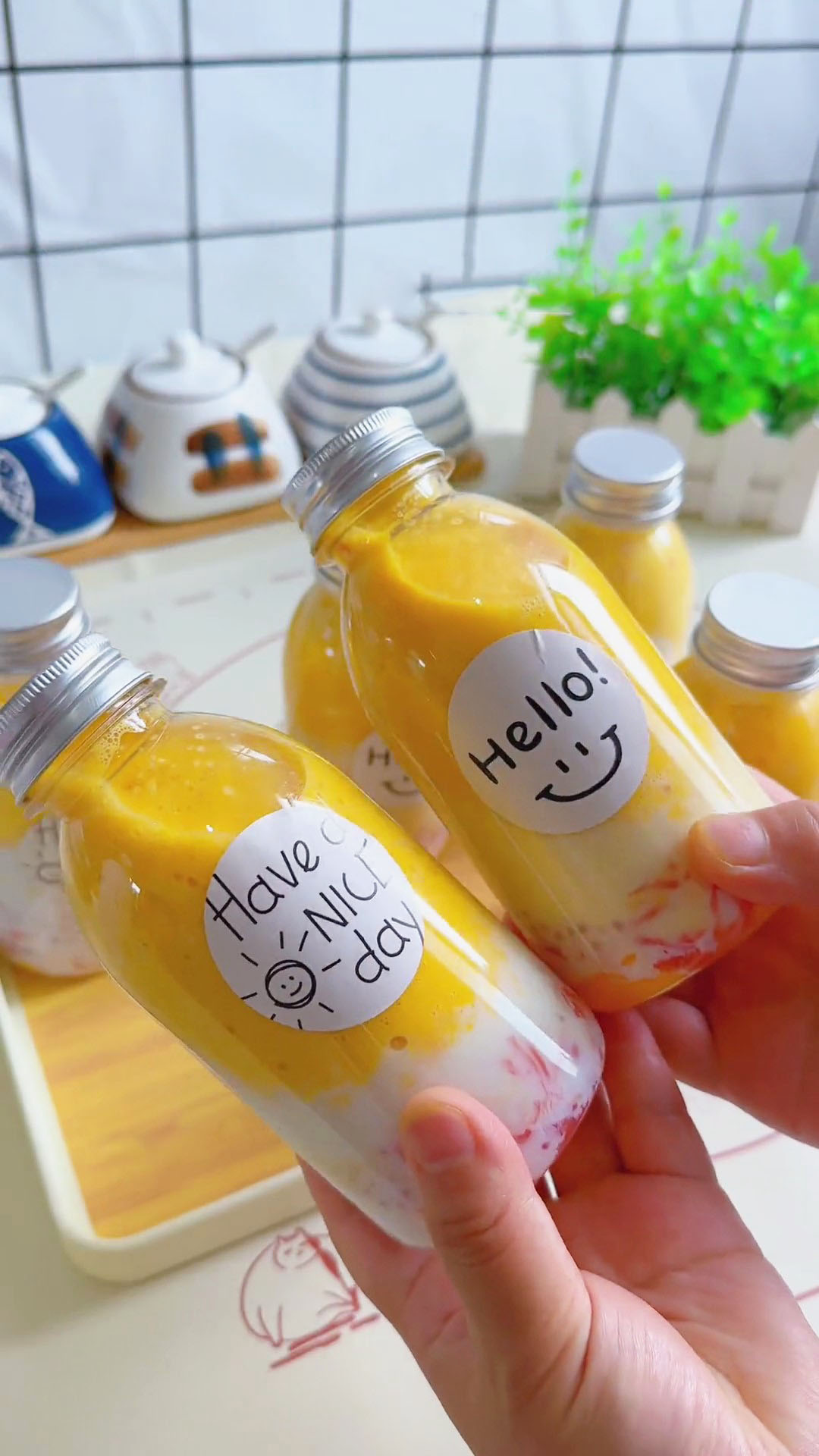
However, the first time I heard the name “杨枝甘露” (Mango Pomelo Sago), I was pretty confused. I couldn’t connect it at all to a drink made with mango, pomelo, and sago pearls. It wasn’t until I actually tasted it that everything clicked!
When I make this Mango Pomelo Sago, I never add extra sugar—I just love the natural sweetness and aroma of the mango itself.
If your mango isn’t very sweet, or if you simply have a sweet tooth, you can adjust by adding 10-20g of fine granulated sugar to taste. Just be flexible!
Key Tip for Perfect Sago Pearls
Here’s a crucial tip about handling the sago pearls: Never rinse the sago before cooking! Doing so can cause them to fall apart and will ruin their signature chewy texture.
You must wait until the water is at a full, rolling boil before adding them to the pot, and remember to stir constantly during cooking to prevent sticking.
If you want to know how to cook sago pearls that are perfectly clear, separate, and neither sticky nor mushy, you can refer to the detailed steps in my previously shared guide, “How to Cook Crystal Clear Sago.”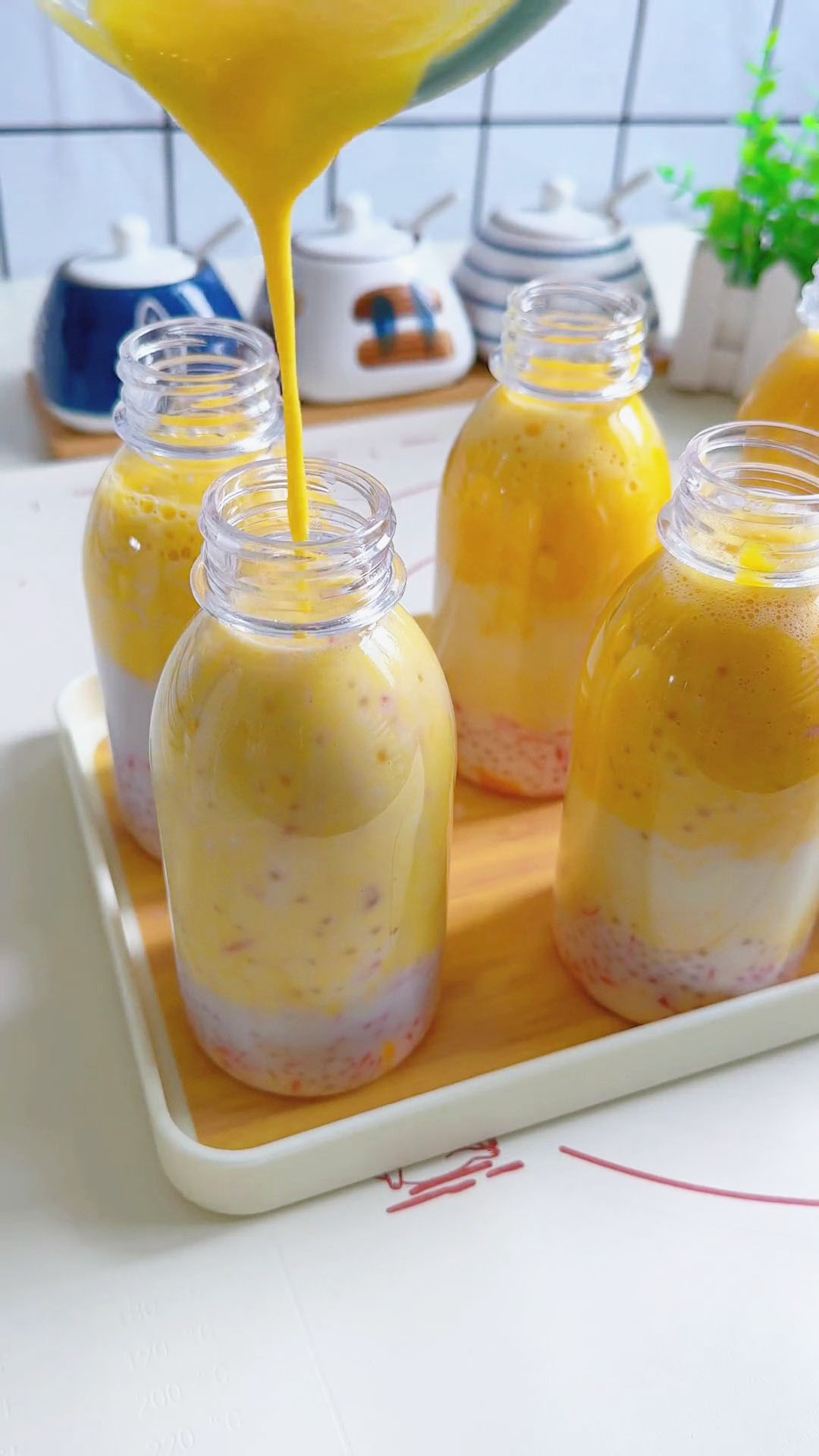
Ingredients and Substitutions
- Mangoes – Choose ripe mango for the best natural sweetness and intense mango flavor. They should be soft to the touch but not overripe or mushy.
- Pomelo – The tart, citrusy bursts of pomelo are essential for cutting through the sweetness and adding complexity. I recommend taking the time to carefully peel away the bitter white pith from each segment for the cleanest flavor. Ruby grapefruit is a good substitute.
- Sago Pearls – These are the key to that delightful, chewy texture. Opt for small or medium-sized pearls as they cook more evenly and quickly. The “boil then steam” method is crucial for perfect, translucent pearls with no hard centers.
- Coconut Milk / Milk – This is where you can customize the profile. Coconut milk gives a rich, tropical depth, while plain milk (full-fat is best) keeps things light and清爽 (qīng shuǎng – refreshing). You can even use a half-and-half mix for the best of both worlds.
- Fine Granulated Sugar – I suggest adding sugar only after tasting your blended mango puree. Ripe mangoes are often sweet enough on their own. The sugar is truly optional and should be used to balance personal preference.
How to Make Mango Pomelo Sago
1. Cook the Sago Pearls
Bring a large pot of water to a rolling boil.
Add the sago pearls and stir immediately to prevent sticking. Boil vigorously for 10 minutes, stirring occasionally.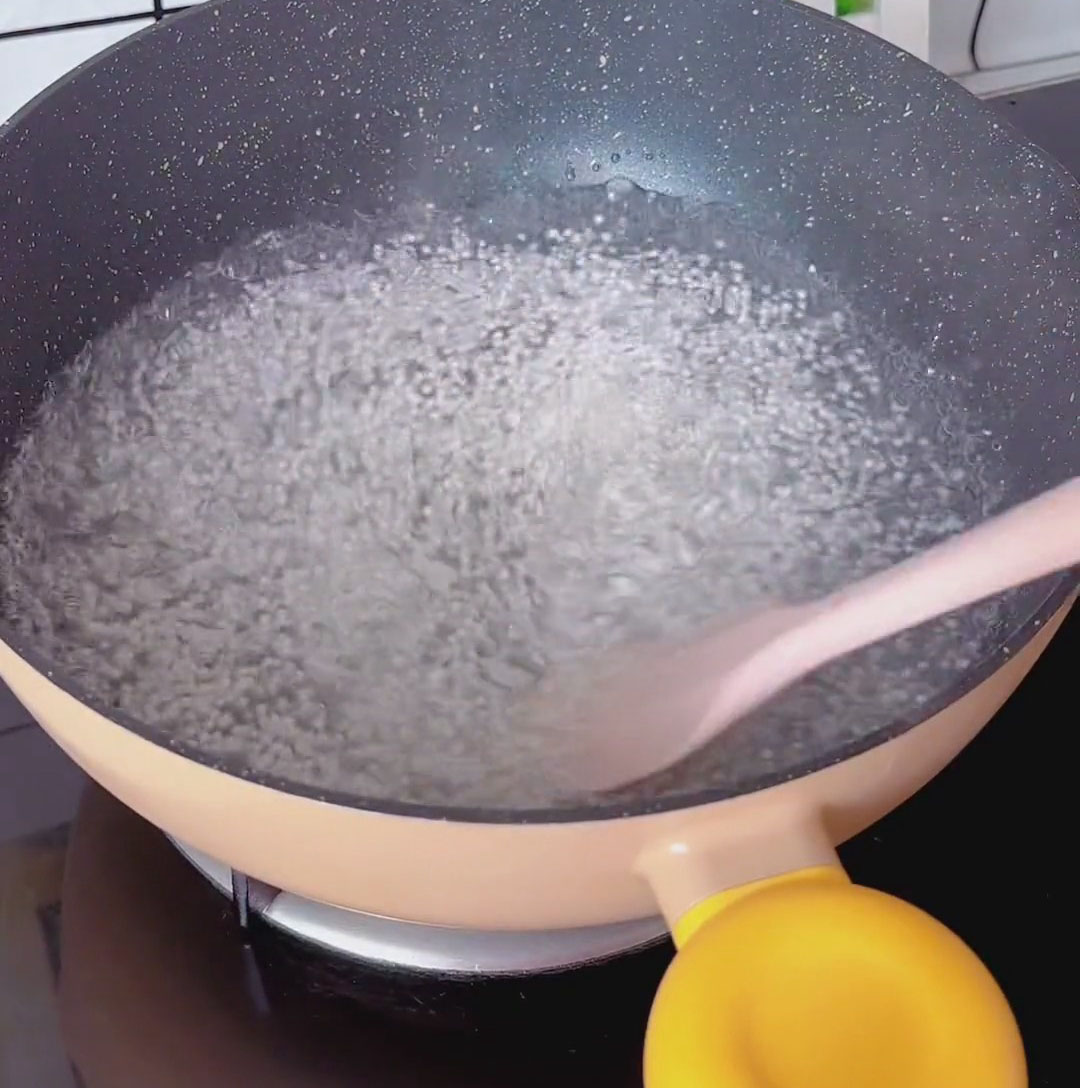
You’ll see the pearls swell with small white centers remaining. Turn off the heat, cover the pot with a lid, and let the pearls steam for 10-15 minutes until they become completely translucent.
Place the sago into a bowl of water that you’ve prepared in advance, and rinse 2-3 times to remove any sticky residue and make it more chewy.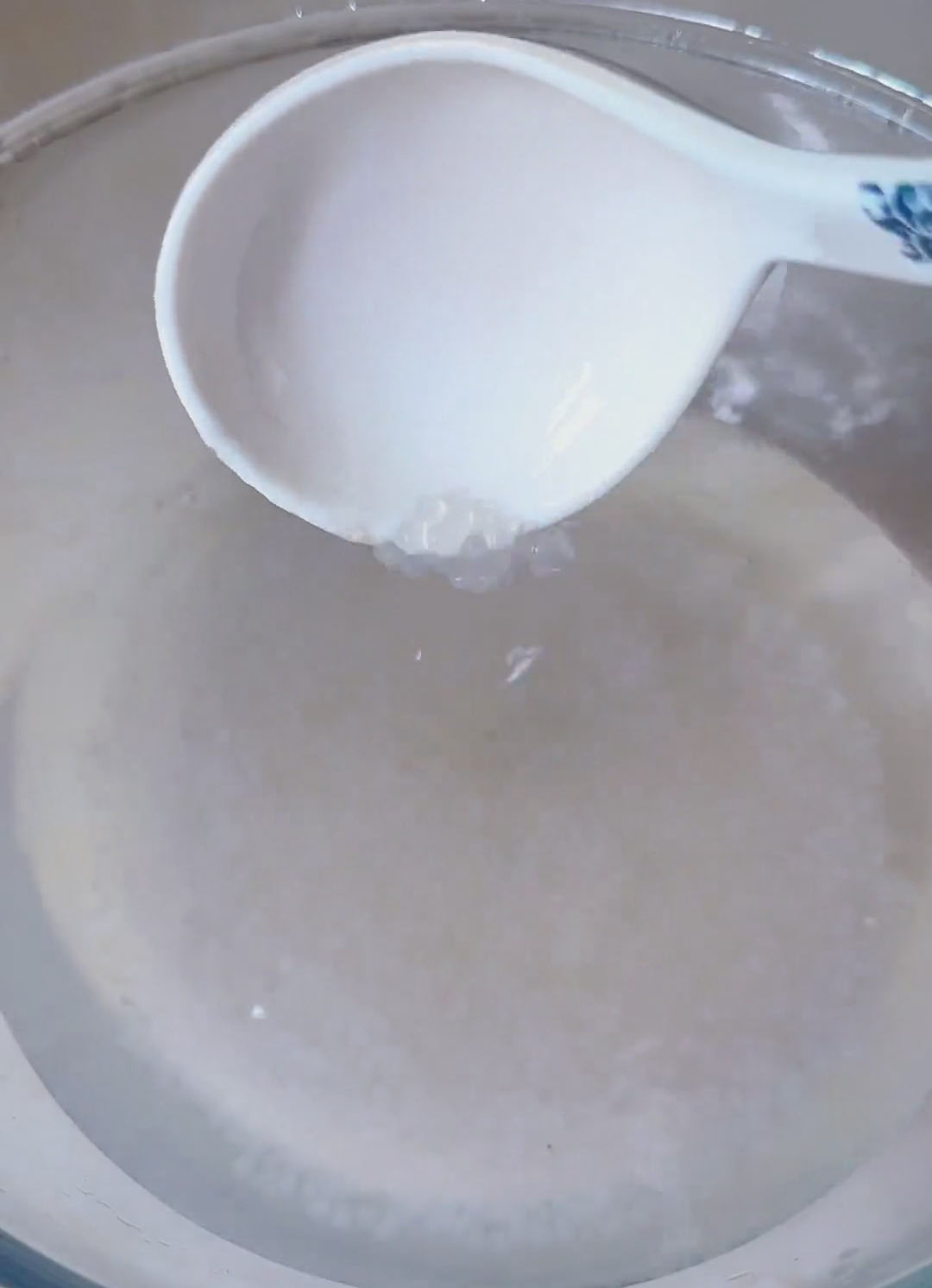
This stops the cooking and washes away excess starch, leaving you with perfectly chewy, non-sticky pearls. Set aside to drain completely.
2. Prepare the Mango and Pomelo
Wash the mangoes, cut them in half, and remove the pits. Scoop out about 350g of flesh directly with a spoon and place it in a blender.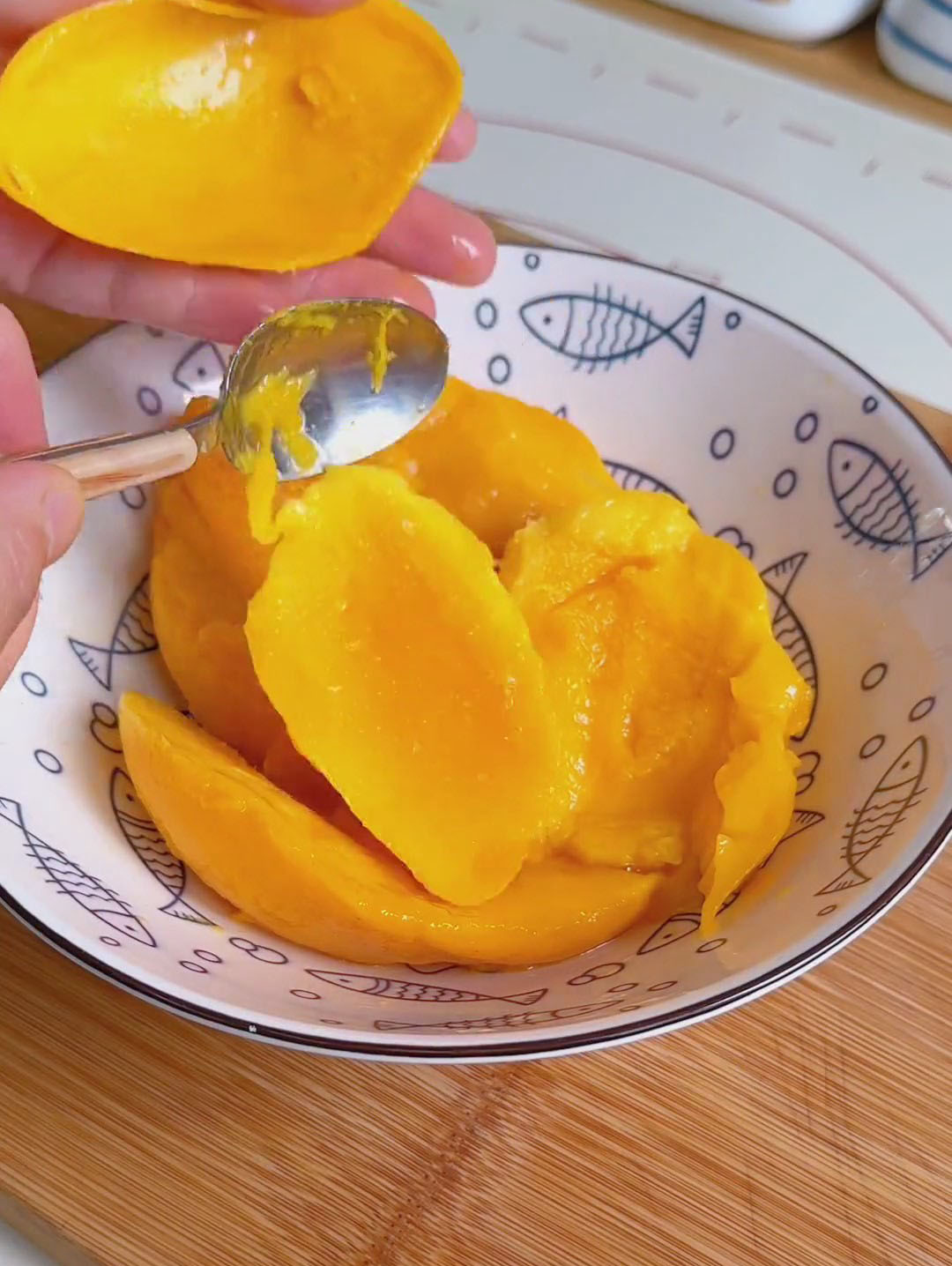
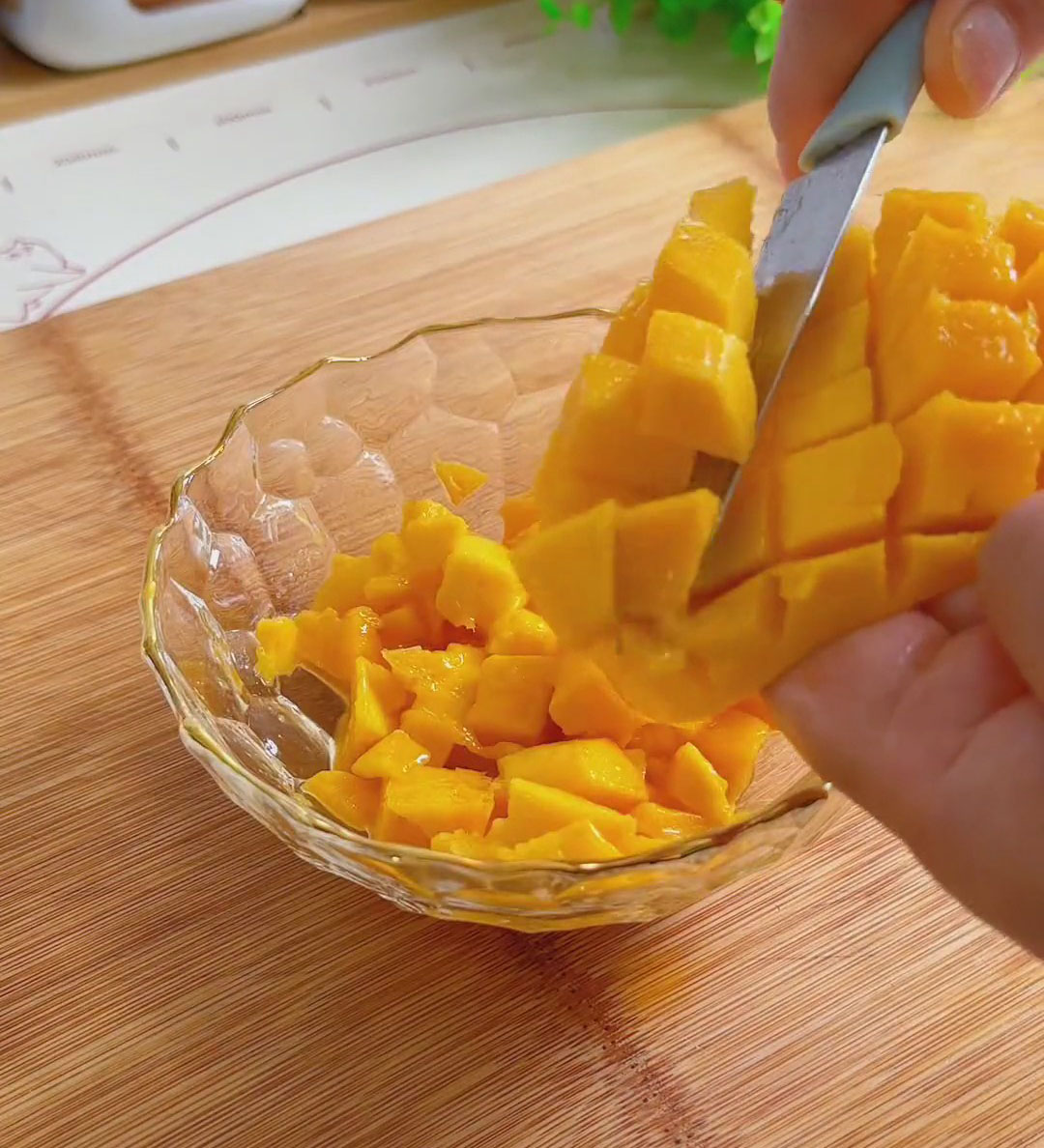
For the remaining mango, carefully score the flesh into a crosshatch pattern, then cut off about 150g of 1cm diced mango cubes with a knife. Set the diced mango aside.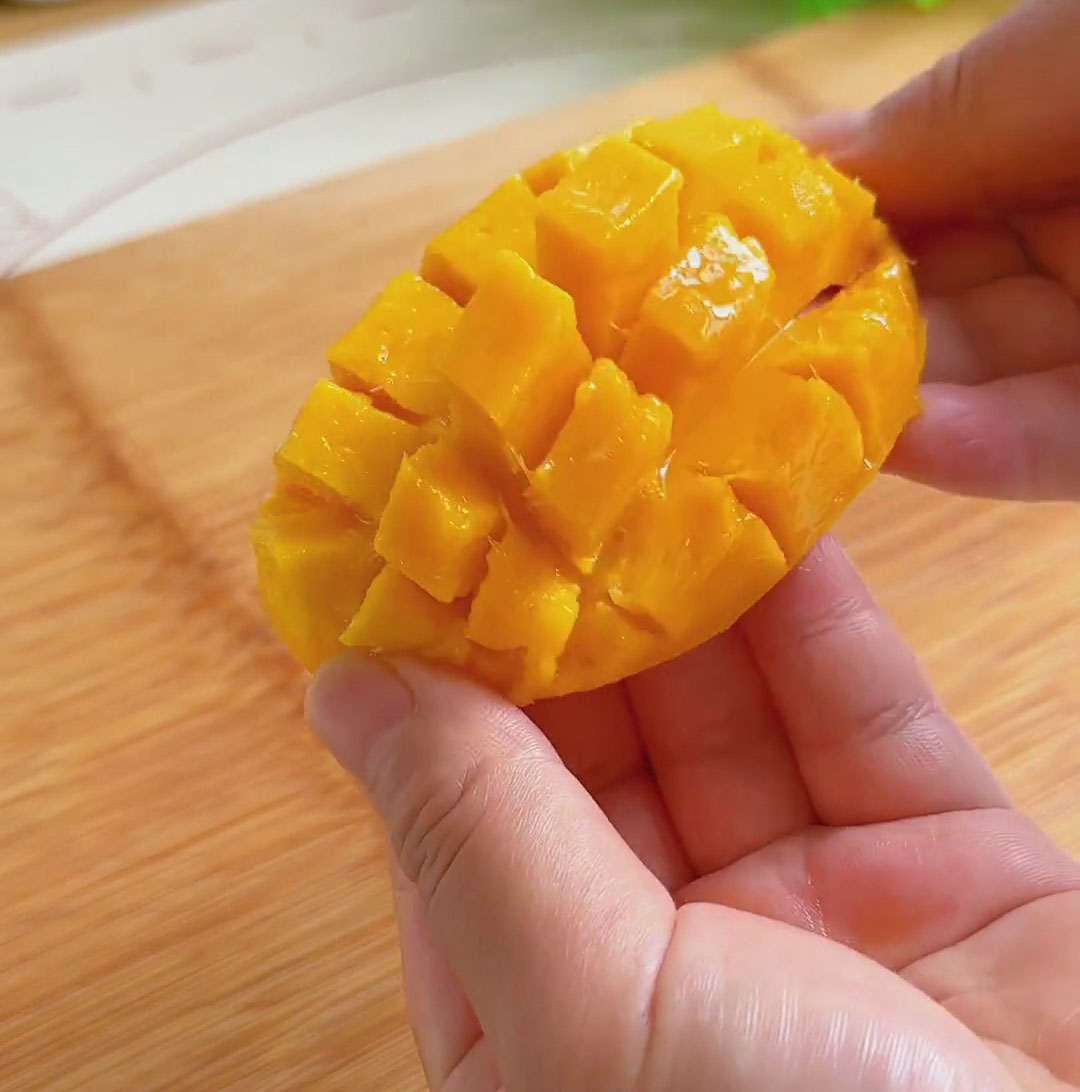
Wash the pomelo, cut off both ends, then cut it in half.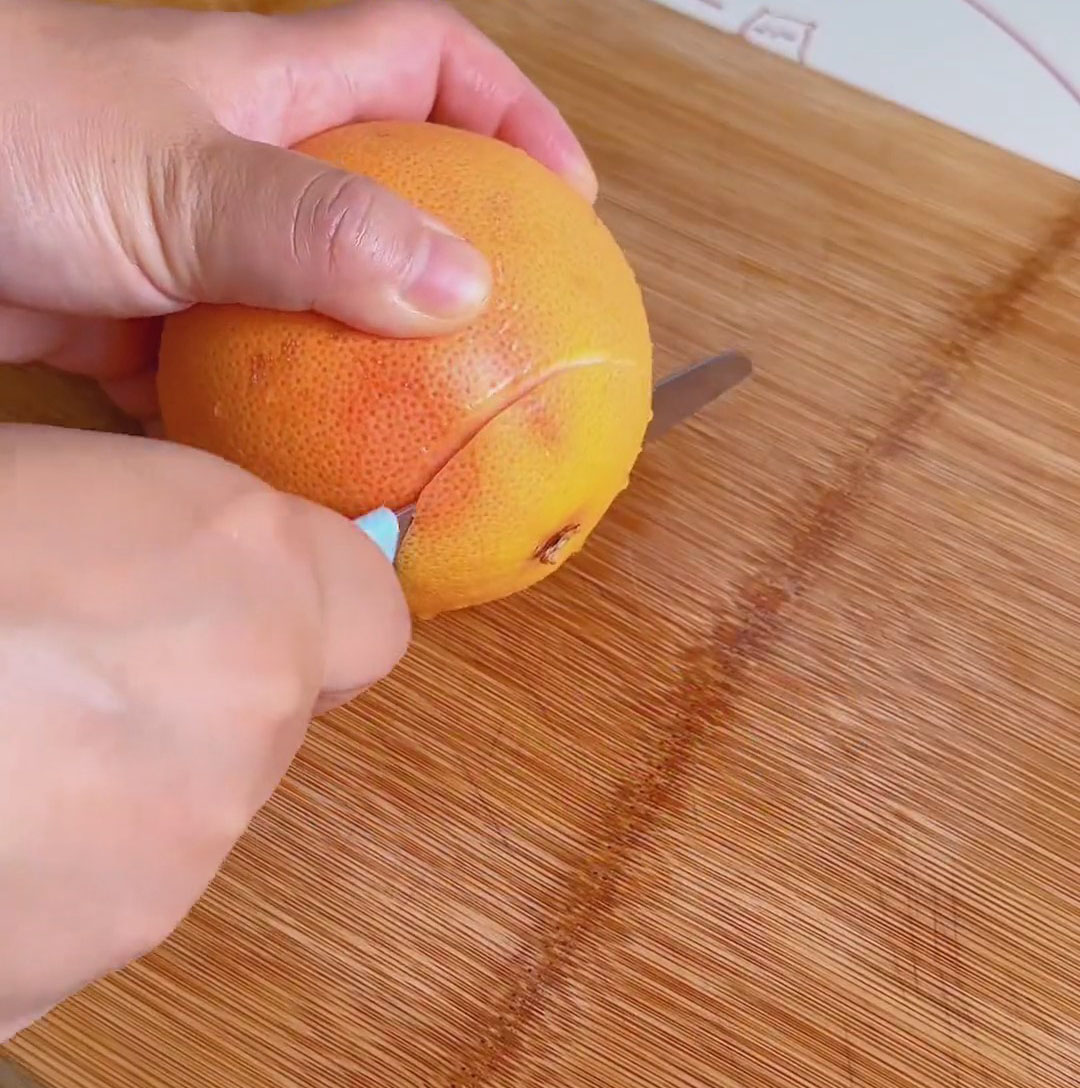
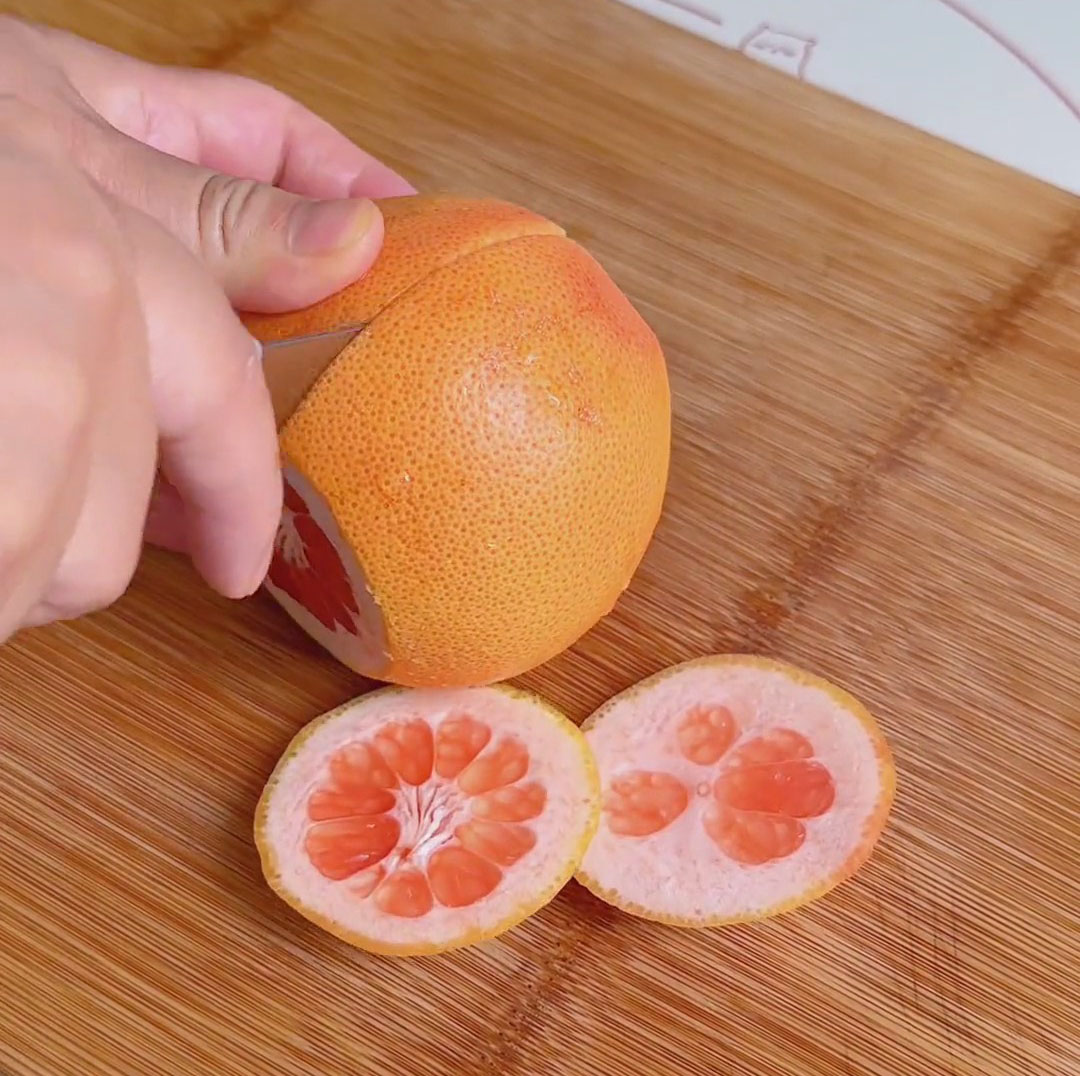
Use your hands to peel off the segments and remove the white membranes (to avoid bitterness). Set aside.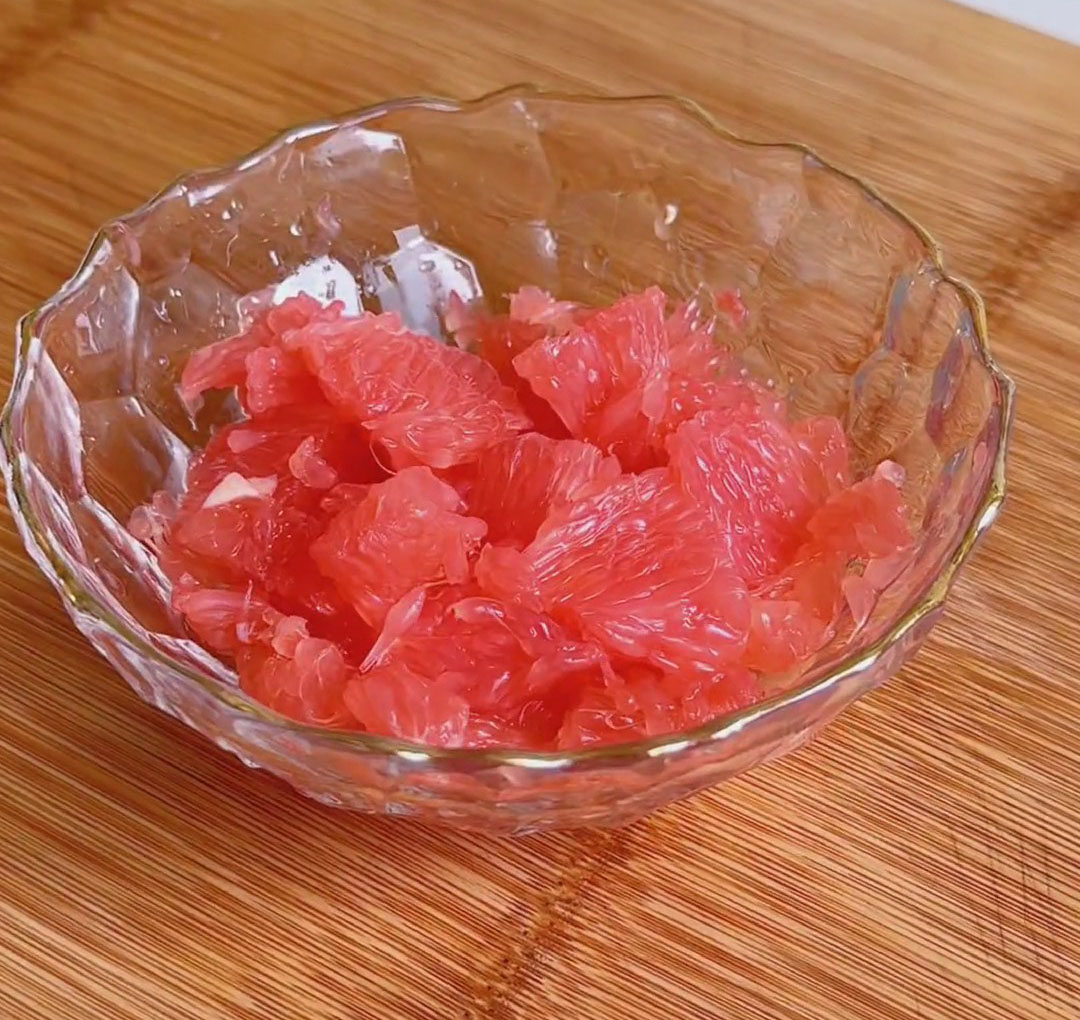
3. Make the Mango Puree
To the blender with the 250g mango flesh, add 50g of the coconut milk (or milk) and the sugar (if using).
Blend on high until you have a completely smooth, vibrant, and thick puree. Taste and adjust sweetness if necessary. Set aside.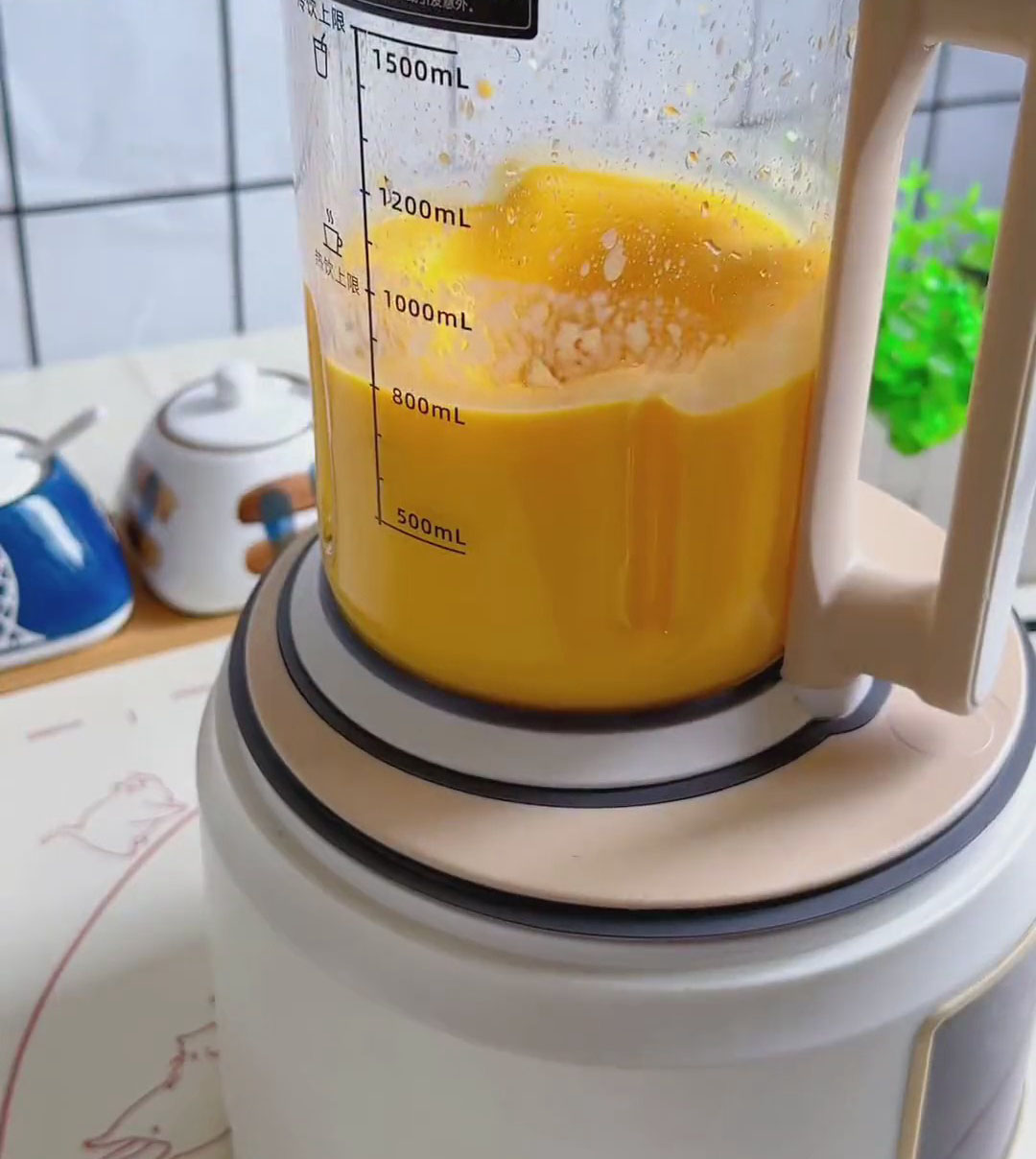
4. Assemble the Dessert
Get your serving glasses or bowls ready. To each glass, add a layer of the reserved diced mango and pomelo pieces.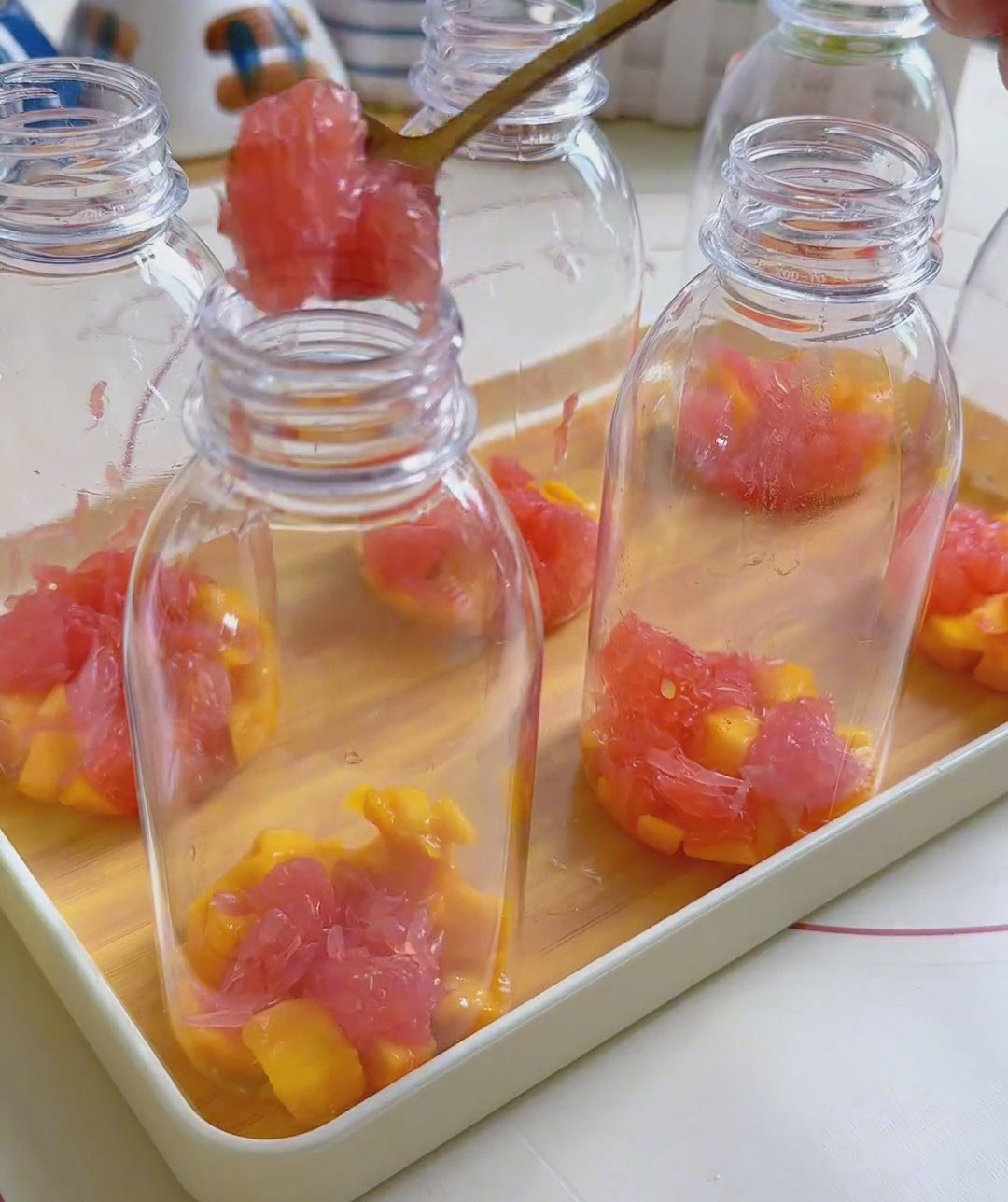
Next, add a generous spoonful of the cooked sago pearls.
Pour the remaining 150g of plain coconut milk (or milk) over the fruit and sago layer. It will create a beautiful creamy base.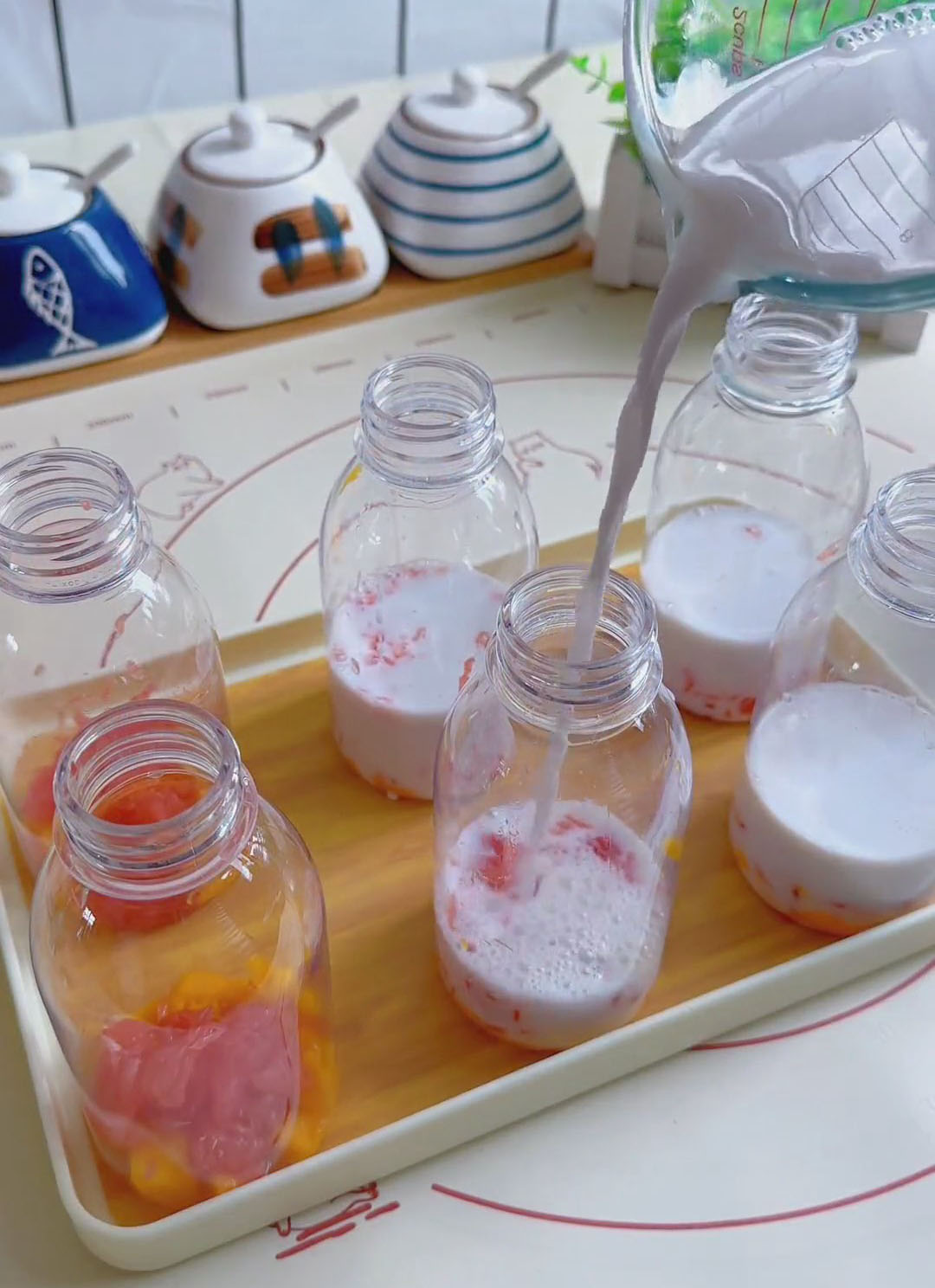
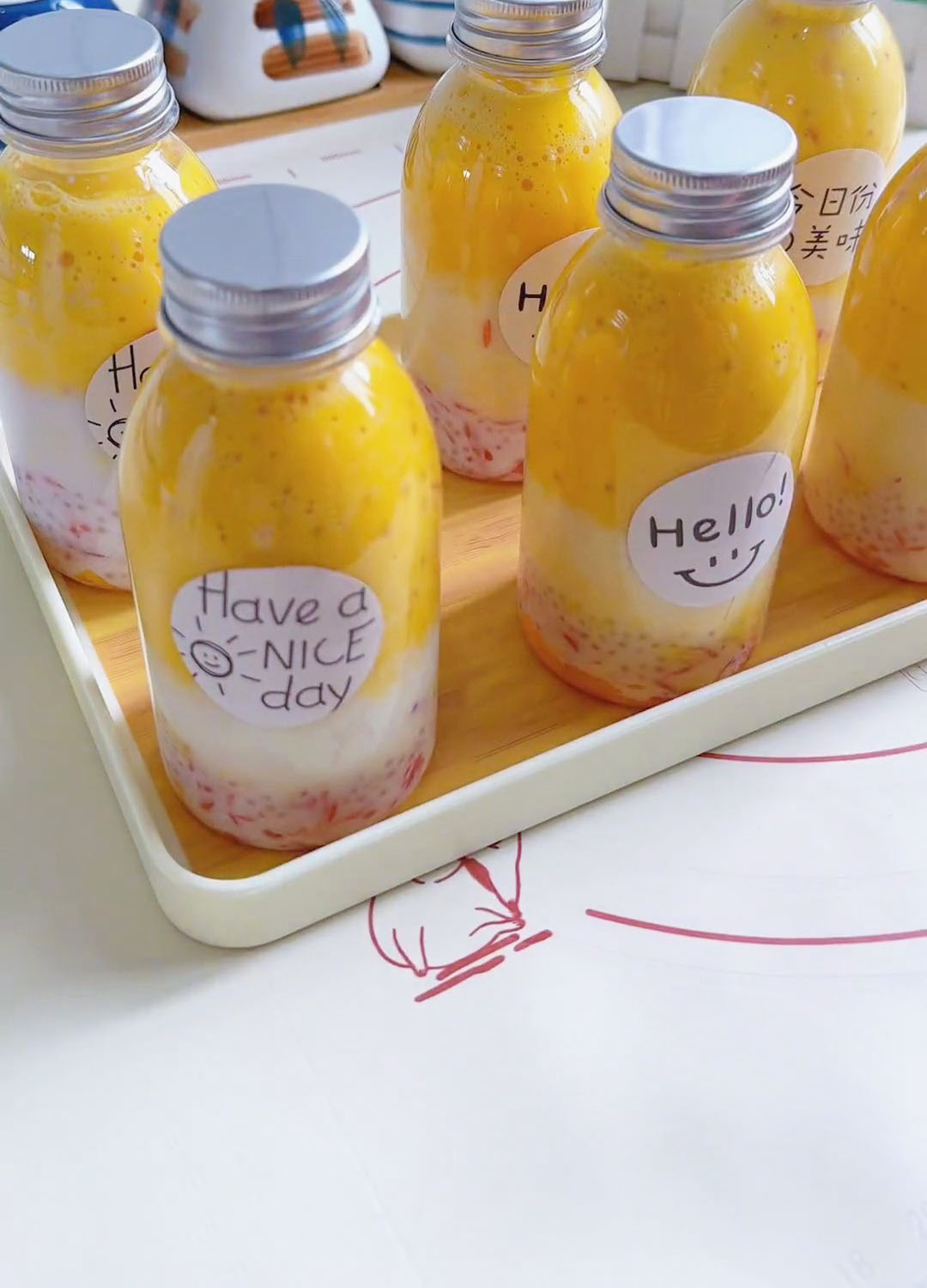
Finally, slowly pour or spoon the mango puree over the top. For a layered effect, pour it gently over the back of a spoon. The puree will sit on top of the milk layer. You can also gently swirl the layers with a skewer for a marbled look.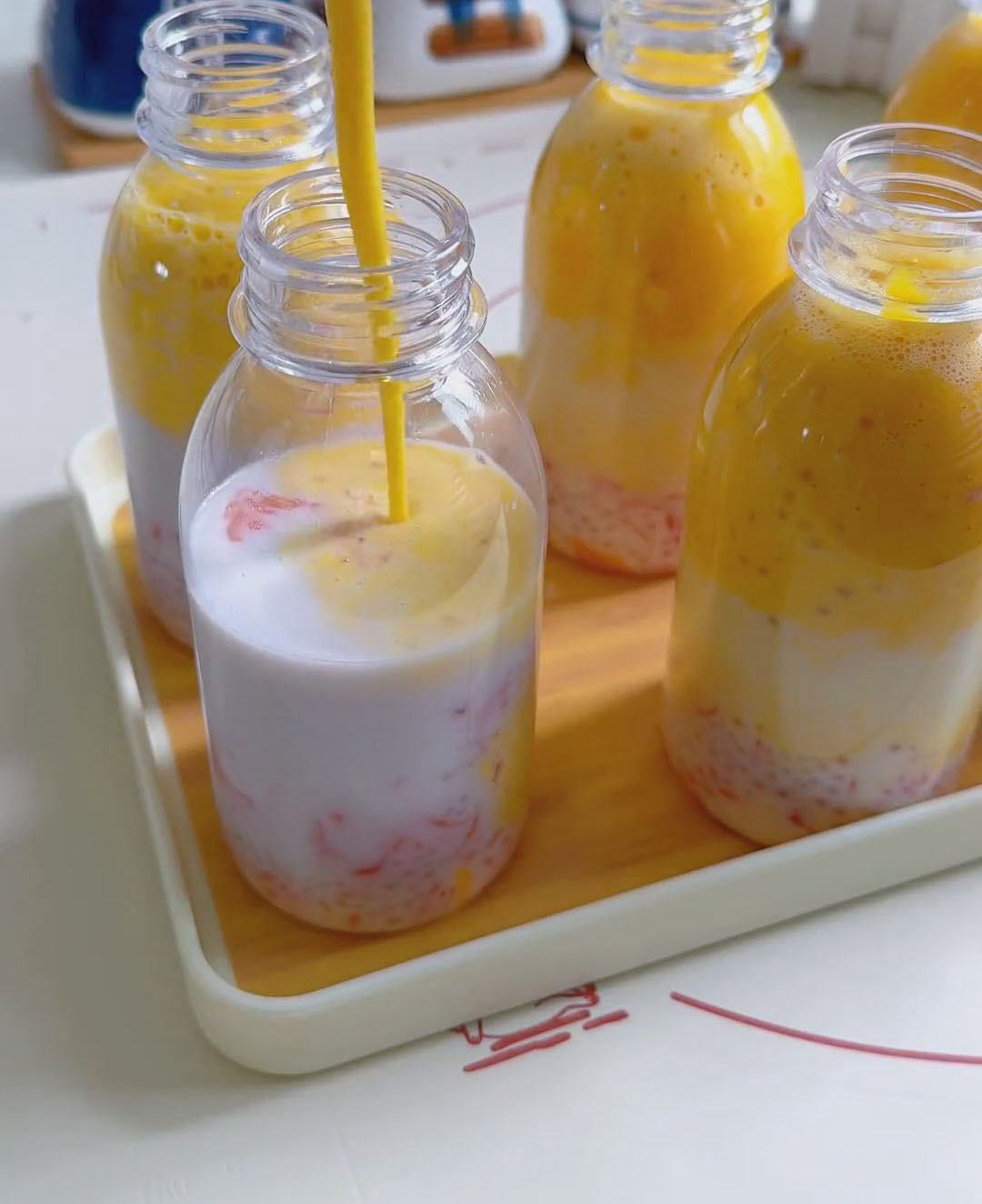
5. Chill and Serve
Refrigerate the assembled desserts for at least 10-15 minutes before serving. This allows the flavors to meld and makes it delightfully cold. Serve chilled.
Tips & Tricks
- The Sago Secret: Always use plenty of water (like cooking pasta) and add sago only to boiling water. The “boil then steam” method is foolproof for perfect pearls every time. Rinsing in cold water is non-negotiable for that ideal Q-texture.
- Choosing Your Fruit: Your mangoes should be ripe and sweet, but not so overripe that they are fibrous or watery. For the pomelo, patience in removing every bit of white pith pays off in a pure, tangy flavor without bitterness.
- Creaminess Control: For a lighter dessert, use all milk. For a richer, more authentic taste, use all coconut milk. The 1:1 blend is a fantastic middle ground. Shake your coconut milk can well before using.
- Sweetness Balance: Always blend your mango puree first and taste it before adding any sugar. The natural sugar in ripe fruit is often perfect. The tart pomelo will also balance the sweetness in the final bowl.
Frequently Asked Questions
Can I make this ahead of time?
Yes, but with a caveat. You can cook the sago and prepare the fruit components ahead of time. Store the rinsed sago in a little cold water or a simple syrup in the fridge to prevent it from drying out.
However, I recommend assembling the dessert just before serving for the best texture contrast between the creamy liquid, fluffy puree, and chewy sago.
My sago pearls turned into a sticky clump. What went wrong?
This usually happens if the water wasn’t boiling vigorously when the sago was added, or if there wasn’t enough water. Always use a large pot of rapidly boiling water and stir immediately upon adding the pearls.
How long does it keep in the fridge?
Assembled desserts are best enjoyed within 24 hours. After that, the sago will continue to absorb liquid and may become too soft, and the pomelo can start to break down.
Can I use other fruits?
The classic trio is mango, pomelo, and sago. However, you could substitute the pomelo with other citrus like sweet grapefruit segments or even lychee for a different twist. The mango base is essential for the signature flavor.
Is there a substitute for sago pearls?
The closest substitute would be small tapioca pearls (used in bubble tea), though their texture is slightly different. You could also use chia seeds soaked in coconut milk for a similar visual effect and a healthy twist, though the texture will be completely different.
How to Make Mango Pomelo Sago: A Sweet and Tangy Tropical Delight
Ingredients
- 50 g sago pearls small/medium size
- Water for boiling
- 2 ripe mangoes about 500g total
- 1 pomelo or ruby grapefruit
- 200 g coconut milk or full-fat milk divided
- 0-20 g granulated sugar to taste
Instructions
Cook the Sago Pearls
- Bring a large pot of water to a rolling boil.
- Add the sago pearls and stir immediately to prevent sticking. Boil vigorously for 10 minutes, stirring occasionally.
- You'll see the pearls swell with small white centers remaining. Turn off the heat, cover the pot with a lid, and let the pearls steam for 10-15 minutes until they become completely translucent.
- Place the sago into a bowl of water that you've prepared in advance, and rinse 2-3 times to remove any sticky residue and make it more chewy. This stops the cooking and washes away excess starch, leaving you with perfectly chewy, non-sticky pearls. Set aside to drain completely.
Prepare the Mango and Pomelo
- Wash the mangoes, cut them in half, and remove the pits. Scoop out about 250g of flesh directly with a spoon and place it in a blender.
- For the remaining mango, carefully score the flesh into a crosshatch pattern, then cut off about 100g of 1cm diced mango cubes with a knife. Set the diced mango aside.
- Wash the pomelo, cut off both ends, then cut it in half.
- Use your hands to peel off the segments and remove the white membranes (to avoid bitterness). Set aside.
Make the Mango Puree
- To the blender with the 250g mango flesh, add 50g of the coconut milk (or milk) and the sugar (if using). Blend on high until you have a completely smooth, vibrant, and thick puree. Taste and adjust sweetness if necessary. Set aside.
Assemble the Dessert
- Get your serving glasses or bowls ready. To each glass, add a layer of the reserved diced mango and pomelo pieces.
- Next, add a generous spoonful of the cooked sago pearls.
- Pour the remaining 150g of plain coconut milk (or milk) over the fruit and sago layer. It will create a beautiful creamy base.
- Finally, slowly pour or spoon the mango puree over the top. For a layered effect, pour it gently over the back of a spoon. The puree will sit on top of the milk layer. You can also gently swirl the layers with a skewer for a marbled look.
Chill and Serve
- Refrigerate the assembled desserts for at least 10-15 minutes before serving. This allows the flavors to meld and makes it delightfully cold. Serve chilled.



Leave a Reply