
These Chinese-style steamed dinner rolls are soft, stretchy, lightly sweet, and beautifully golden from the egg wash. They’re perfect on their own or served with savory dishes.
No Oven, No Butter – Still So Soft and Stretchy!
You don’t need an oven or even butter to make this bread. That’s one of the things I love most about this recipe—it’s so accessible, yet the final result is unbelievably soft, sweet, and stringy, just like a good pull-apart bread should be.
With just basic tools and a steamer, you can make something truly special in your own kitchen.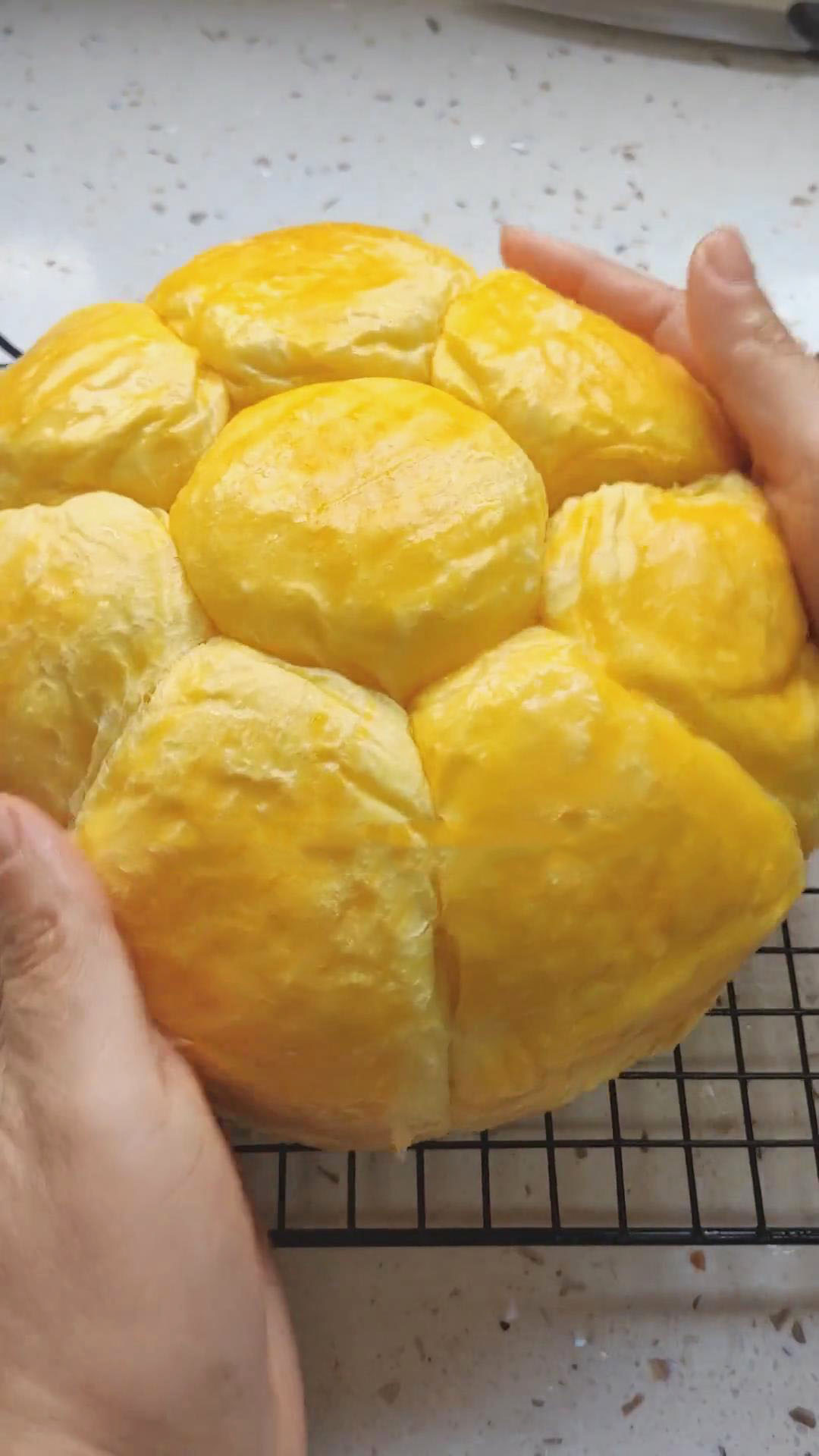
Why the Glove Film Matters
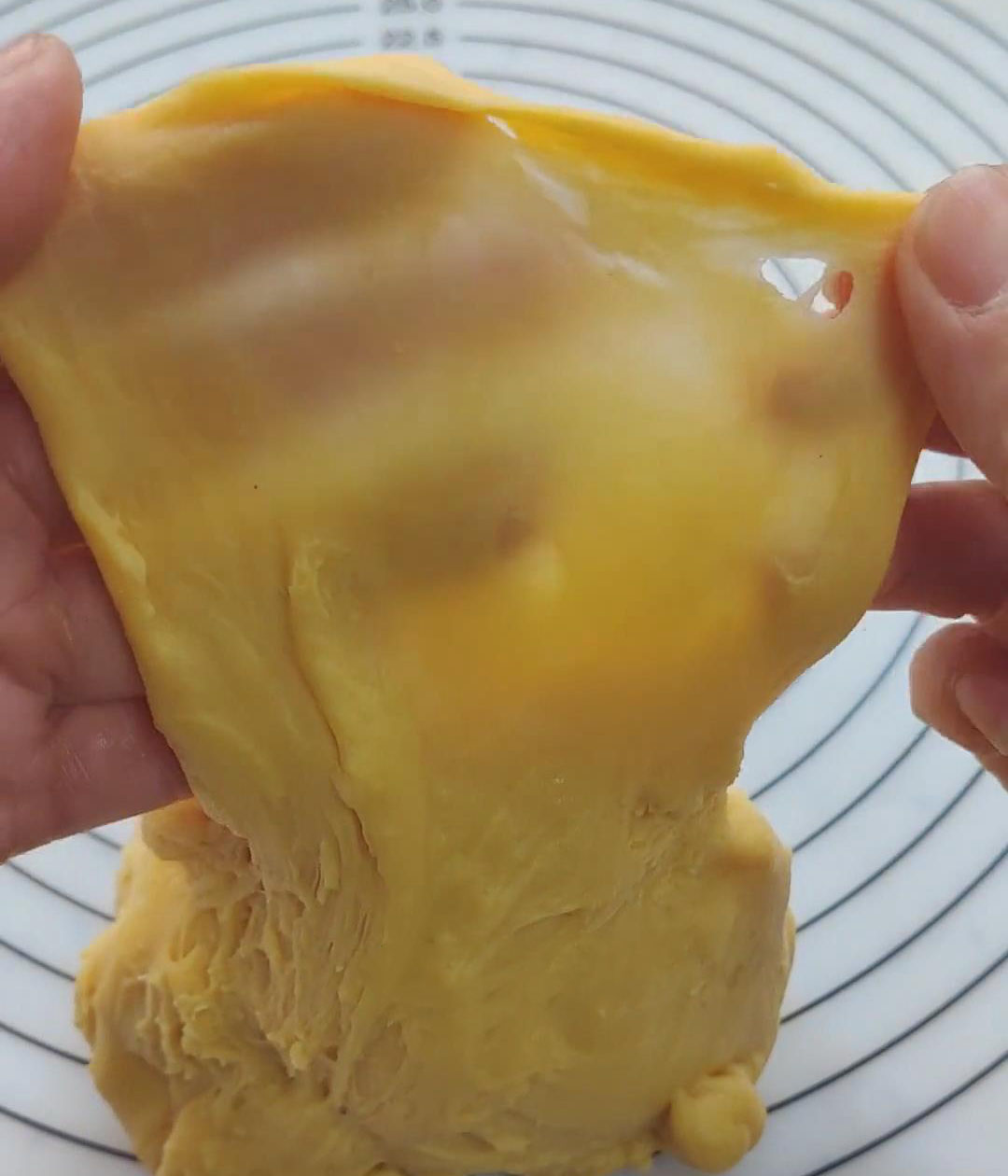
Compared to other buns, the most important difference with this steamed Chinese dinner roll is the kneading technique. If you don’t knead the dough enough to develop a glove film (a thin, stretchable membrane), the final texture may end up more like mantou—a denser, steamed bread that’s soft but lacks the same chewy, airy pull.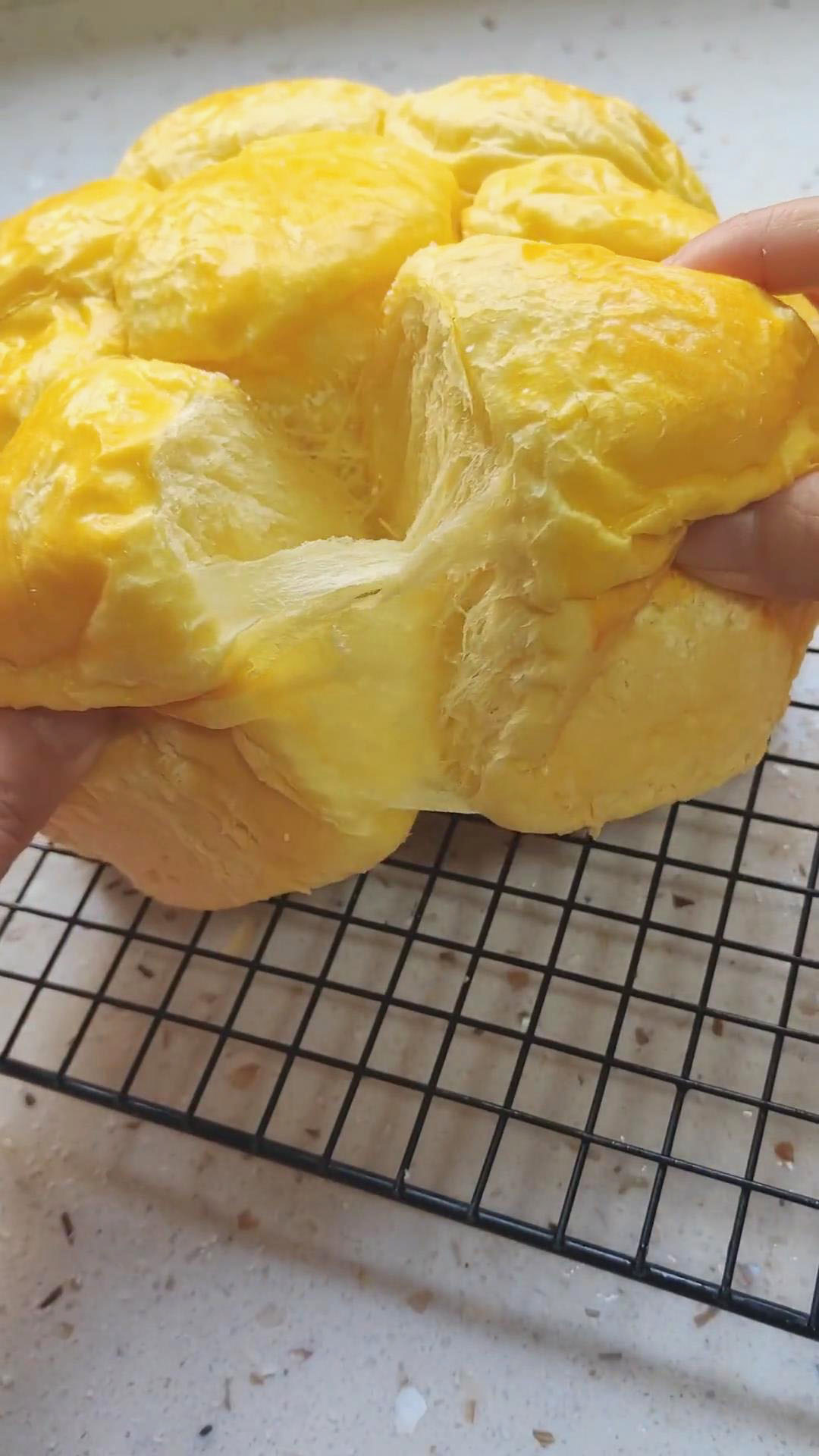
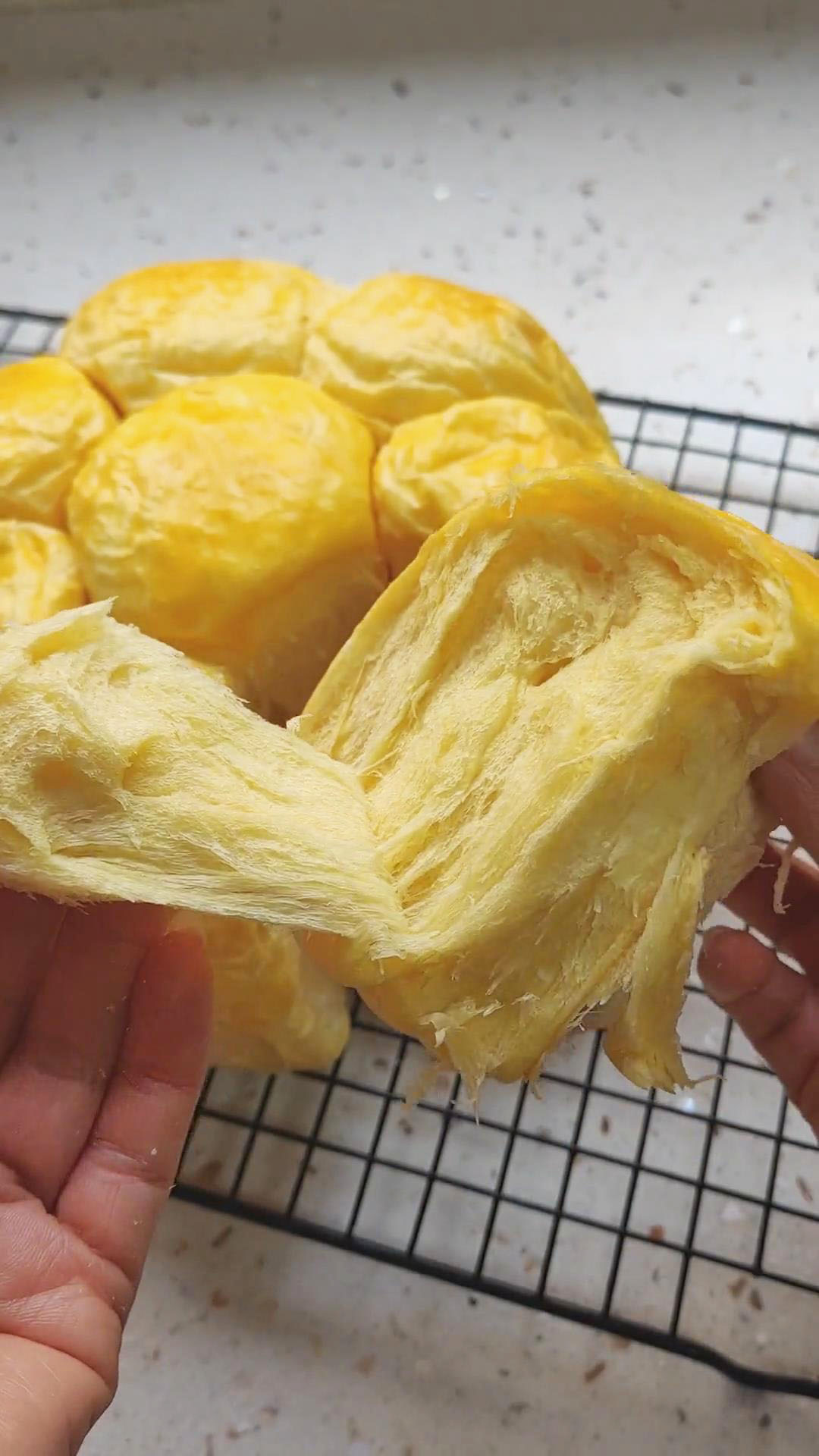 Think of it like this: milk mantou is fluffy and smooth, but it doesn’t have that stretchy texture when you pull it apart.
If that’s the result you’re looking for, it’s totally fine! But if you want a more bread-like, cottony interior with that beautiful stringy tear, kneading until the glove film is essential.
I personally kneaded this dough by hand, which takes some effort and time—like giving the dough a gentle but thorough workout. It’s definitely doable, but if you have a stand mixer, I highly recommend using it. It’ll make the process much easier and more consistent, especially if you’re new to bread-making.
What Flour Should I Use?
Flour choice is key in this recipe. While I love using all-purpose flour for many types of buns—like:
—when it comes to making steamed bread rolls like these, I always use bread flour.
Why? Because bread flour has higher protein content, which gives the dough strength and allows for better gluten development. That’s exactly what you need to achieve the glove film and that perfectly soft, stretchy interior.
If you only have all-purpose flour, you can still make this recipe, but the texture may not be quite as elastic or chewy. For best results, I truly recommend using high-gluten bread flour.
Ingredients:
- 300 g high-gluten bread flour
- 3 g yeast
- 50 g sugar
- 3 eggs
- 25 g corn oil
- Egg yolk, for brushing the top
Instructions:
1. Mix ingredients and knead the dough
In a mixing bowl, combine 300 g bread flour, 3 g yeast, and 50 g sugar. Stir to mix evenly using chopsticks or a spatula.
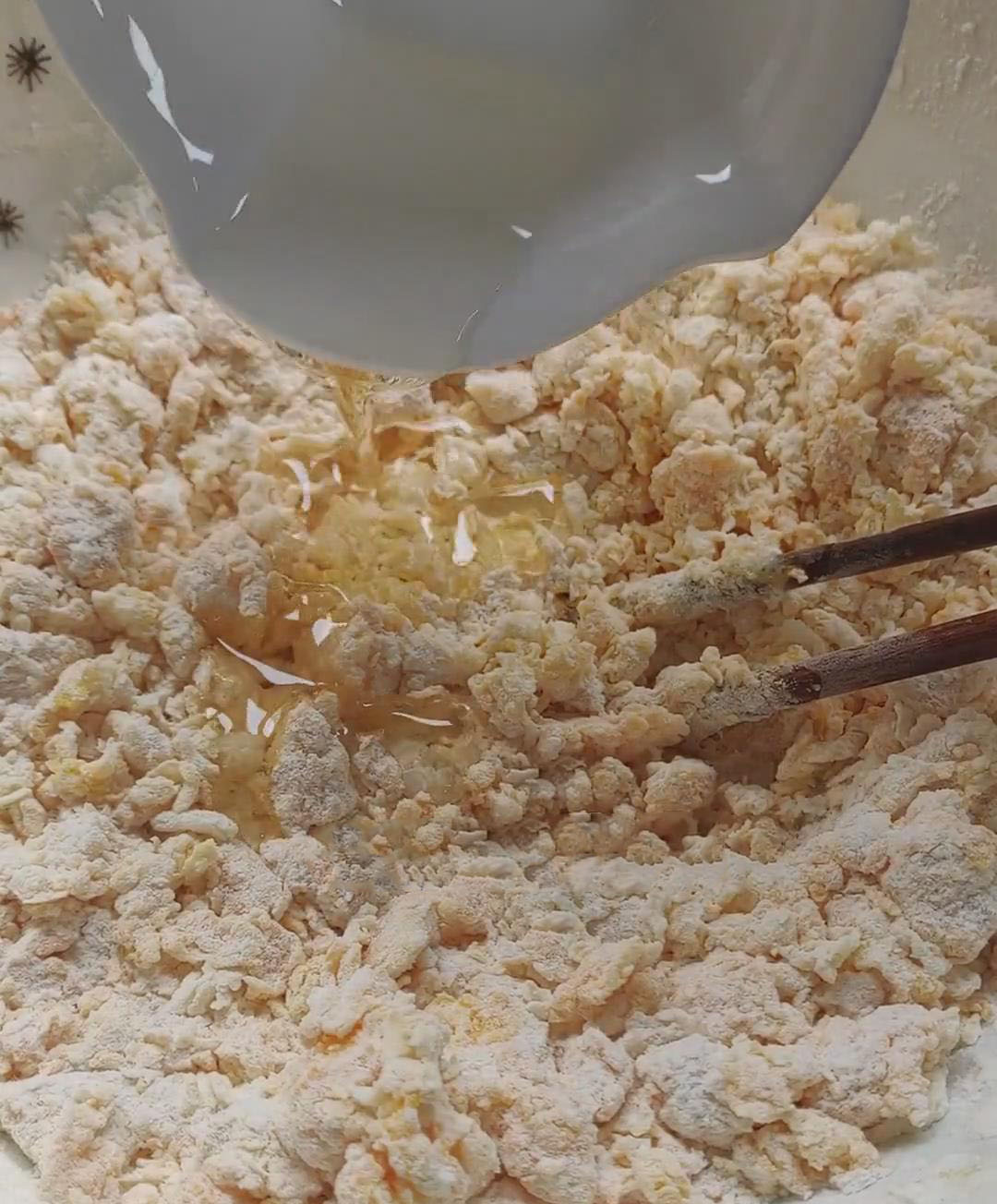
Crack in 3 eggs, then mix until the flour becomes crumbly and shaggy.
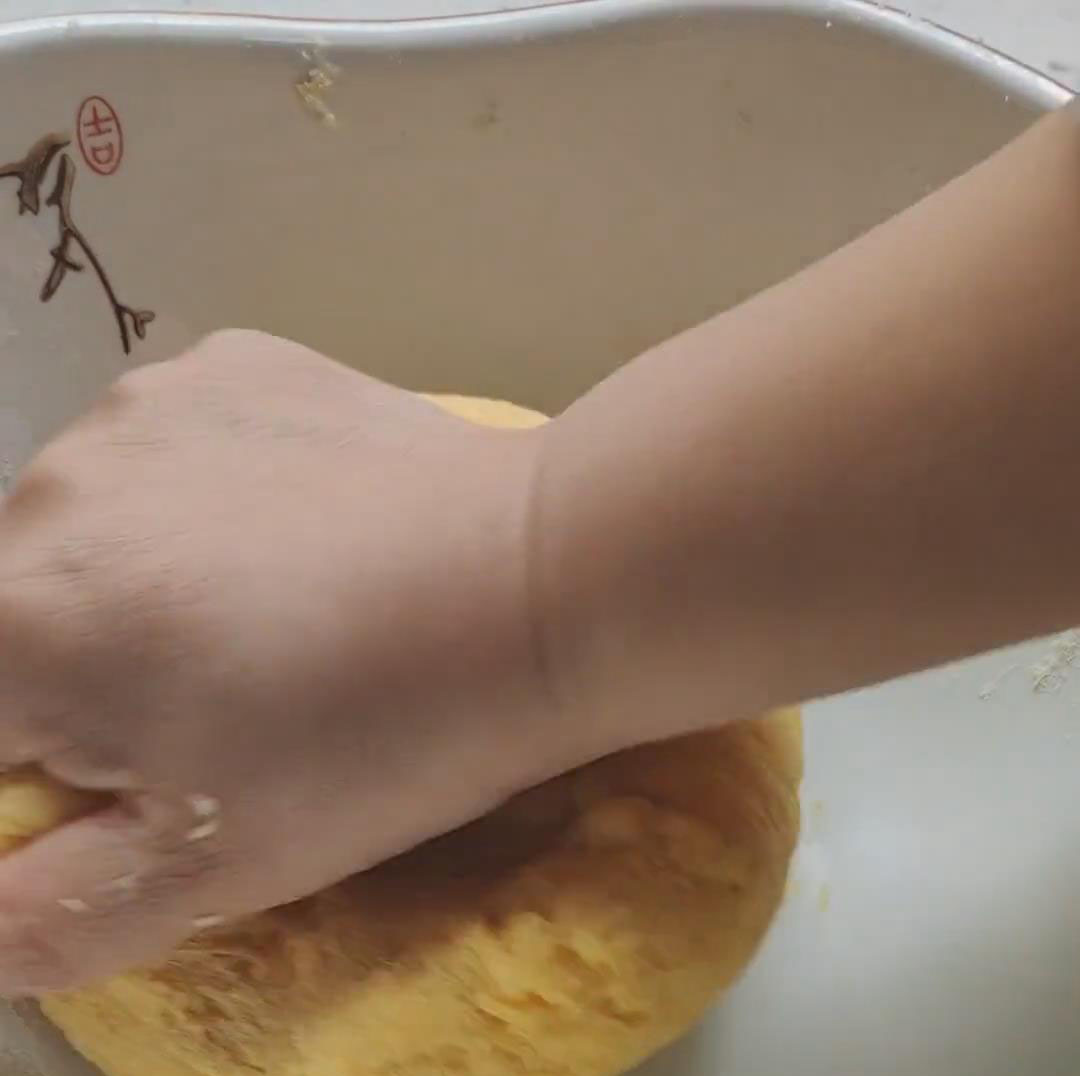
Add 25 g corn oil and begin kneading the dough by hand until it turns smooth and soft on the surface.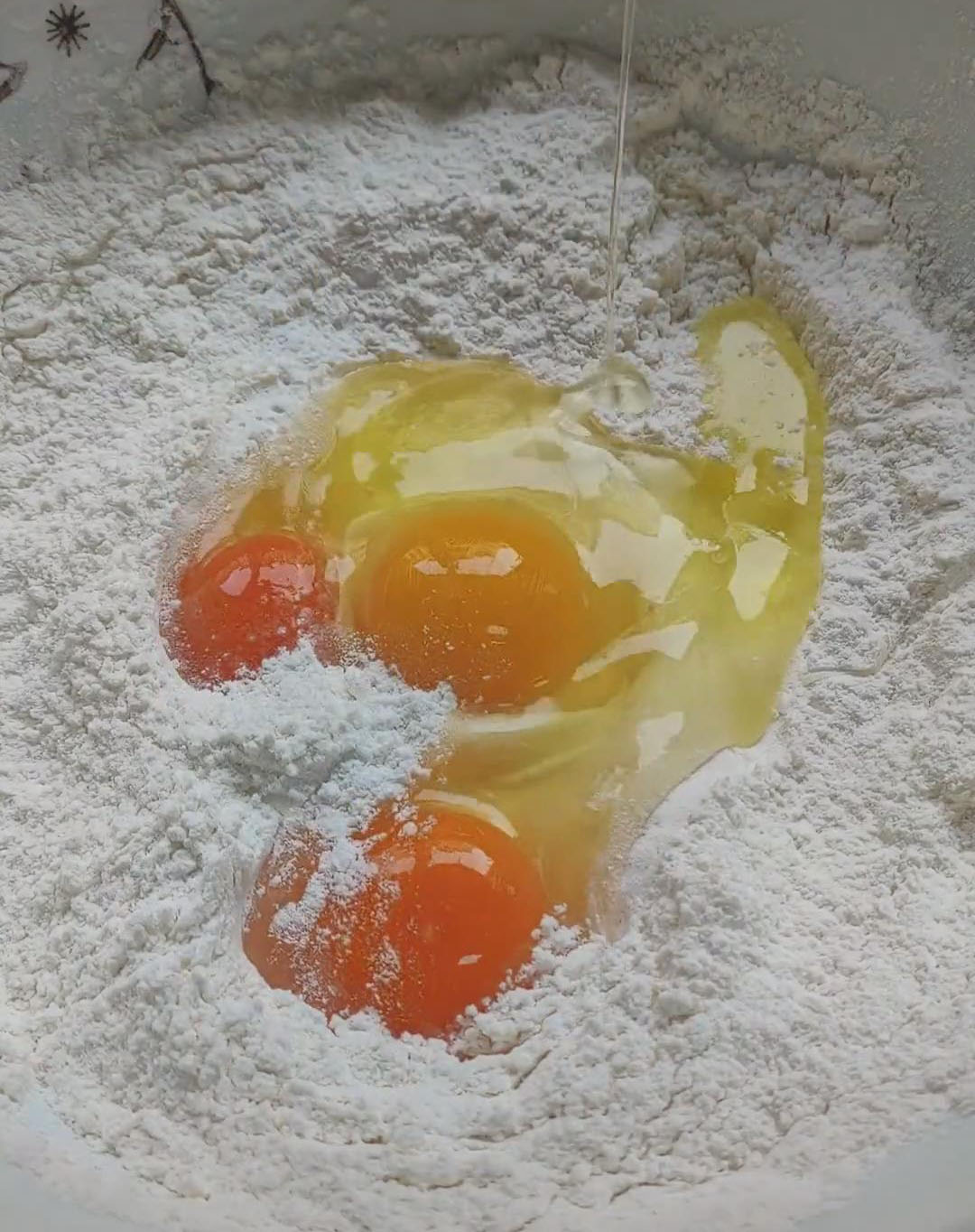
2. Knead until you can pull a “glove film”
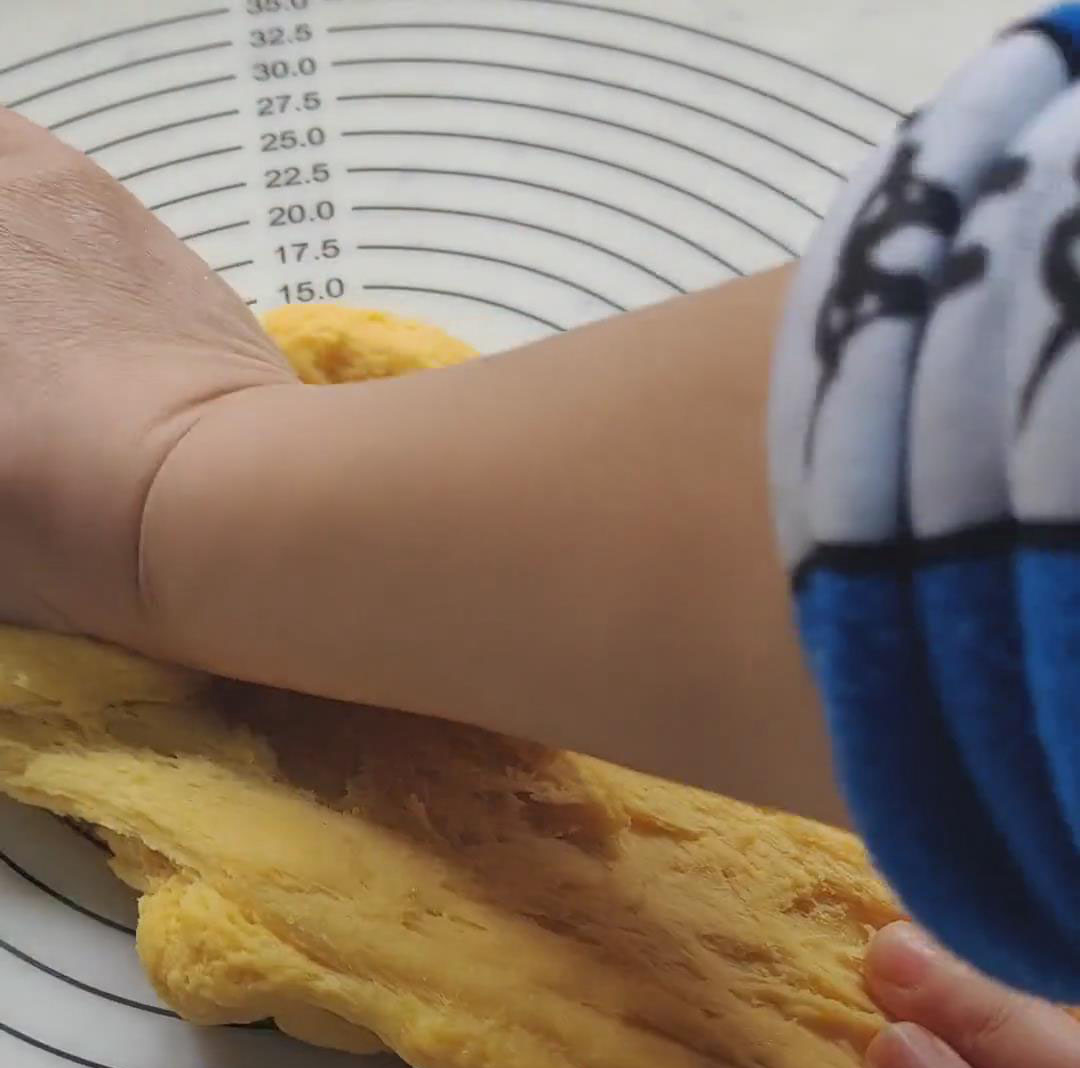
Transfer the dough onto a clean board. Knead it repeatedly using a motion similar to hand-washing clothes.
This step may take some time and effort—be patient. Keep kneading until the dough can stretch into a thin, elastic membrane (a “glove film”). This ensures the final bread will be light and fluffy.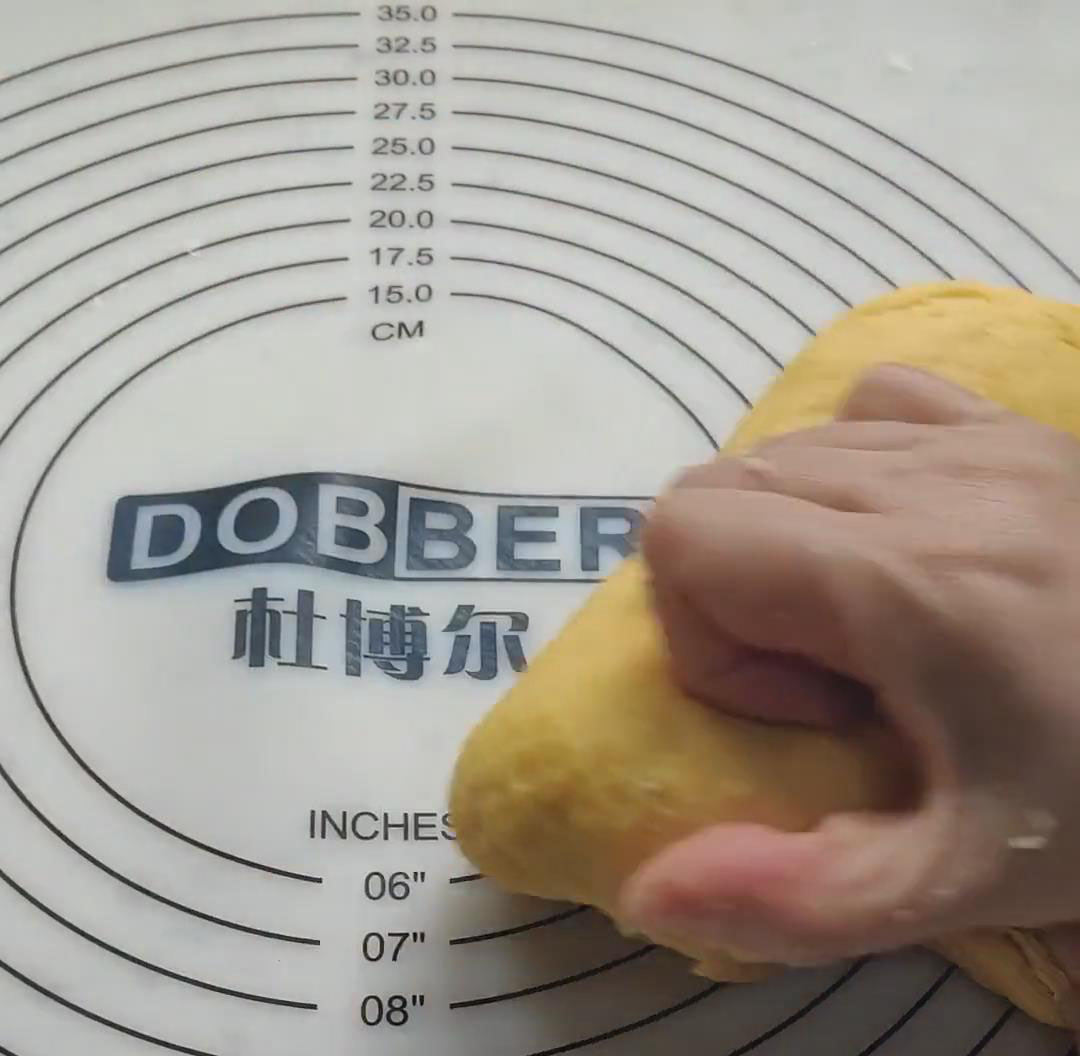
3. First rise (proofing)
Shape the dough into a ball and cover it tightly with plastic wrap.
Place the dough in a warm area—sunlight, near a heater, or a proofing box—and let it rise until it doubles in size.
Depending on the temperature, this could take 1 to 2 hours.
4. Shape and second proofing
Once the dough has risen, remove the plastic wrap and gently knead it again to deflate and push out any trapped air.
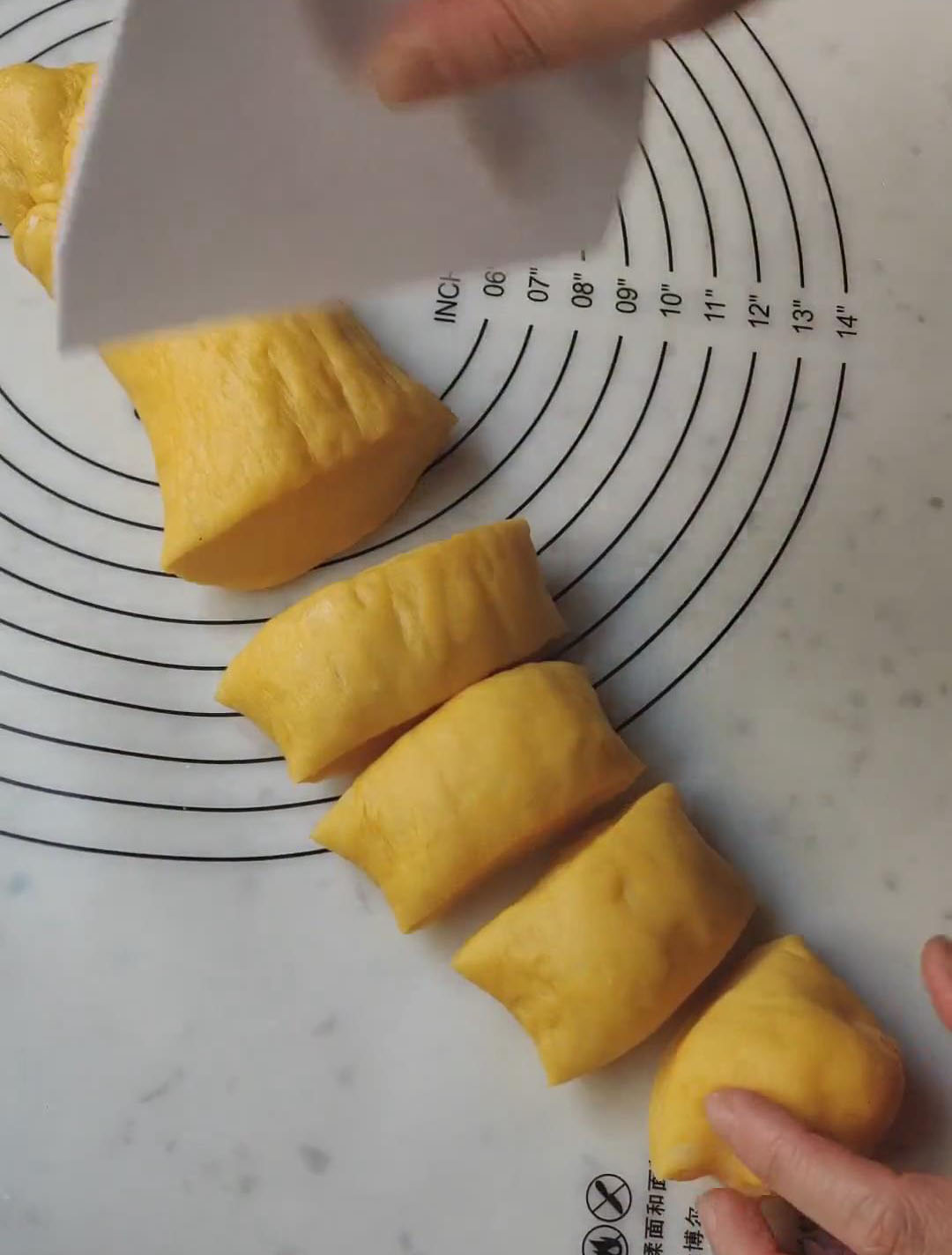
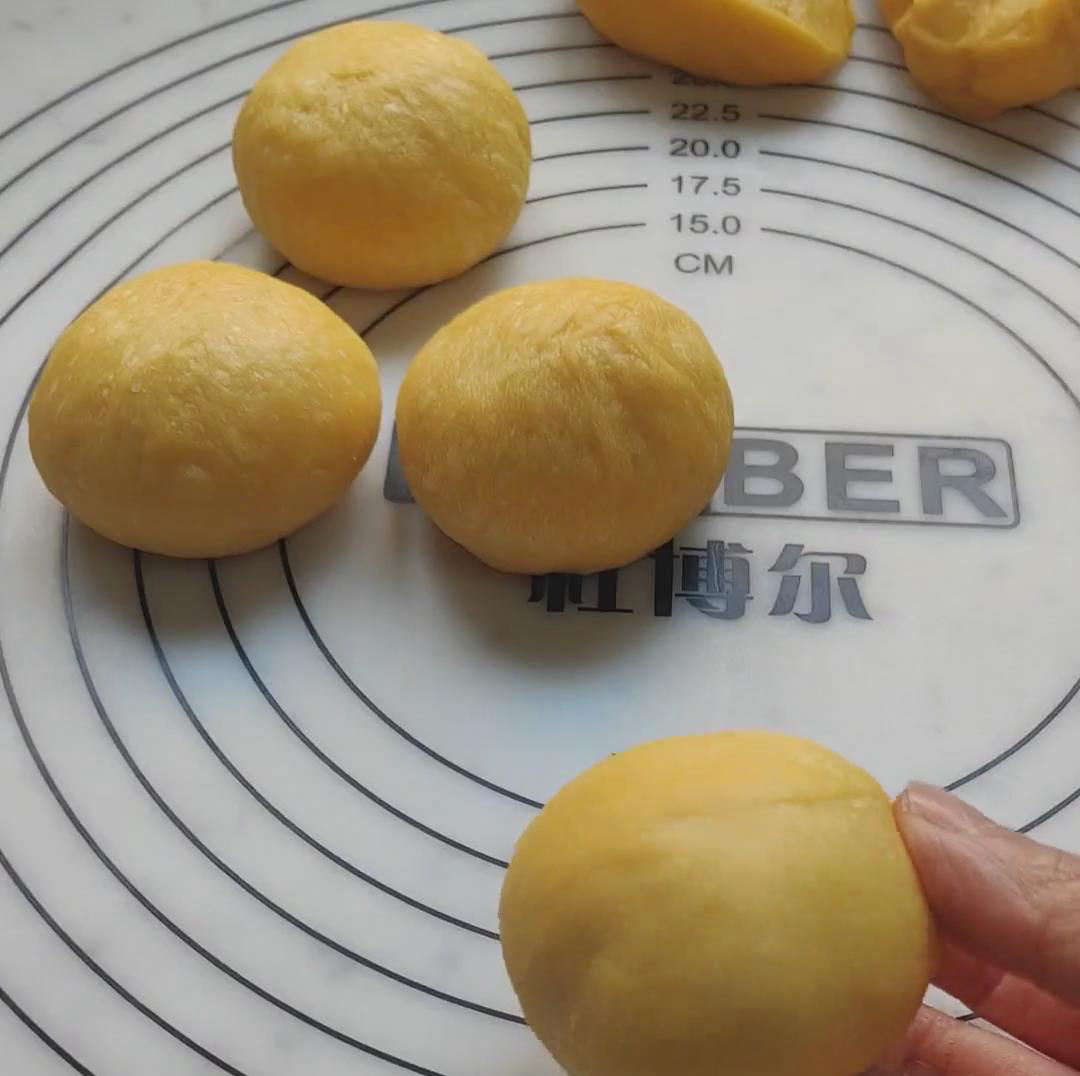
Roll the dough into a long log and divide it into 8 equal pieces, each about 60 g. Shape each piece into a round ball.
Lightly grease a mold or steaming dish, and place the dough balls inside.
Let the dough rest and rise again in a warm spot for about 30 minutes, or until they become round and puffy.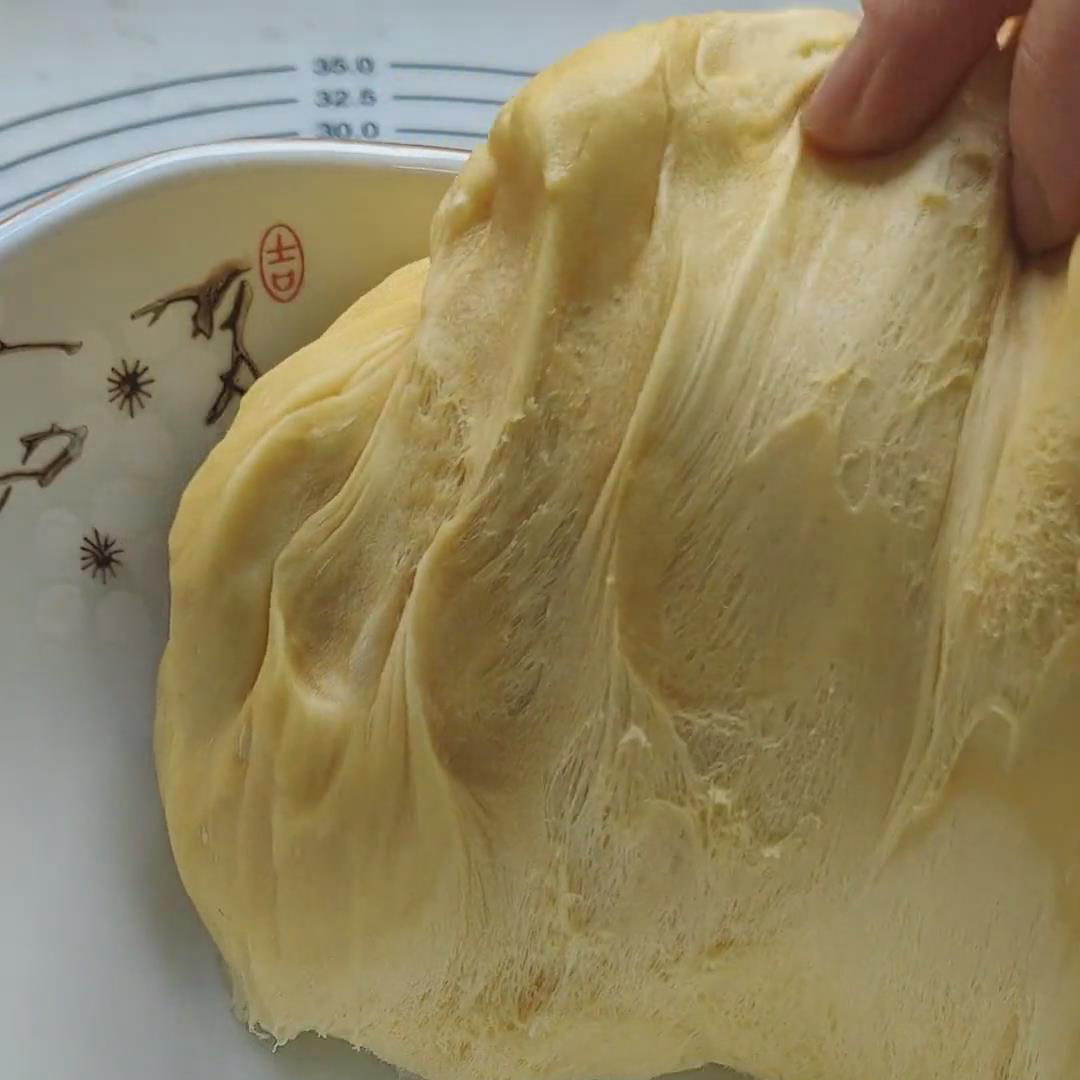
5. Final touch and steaming
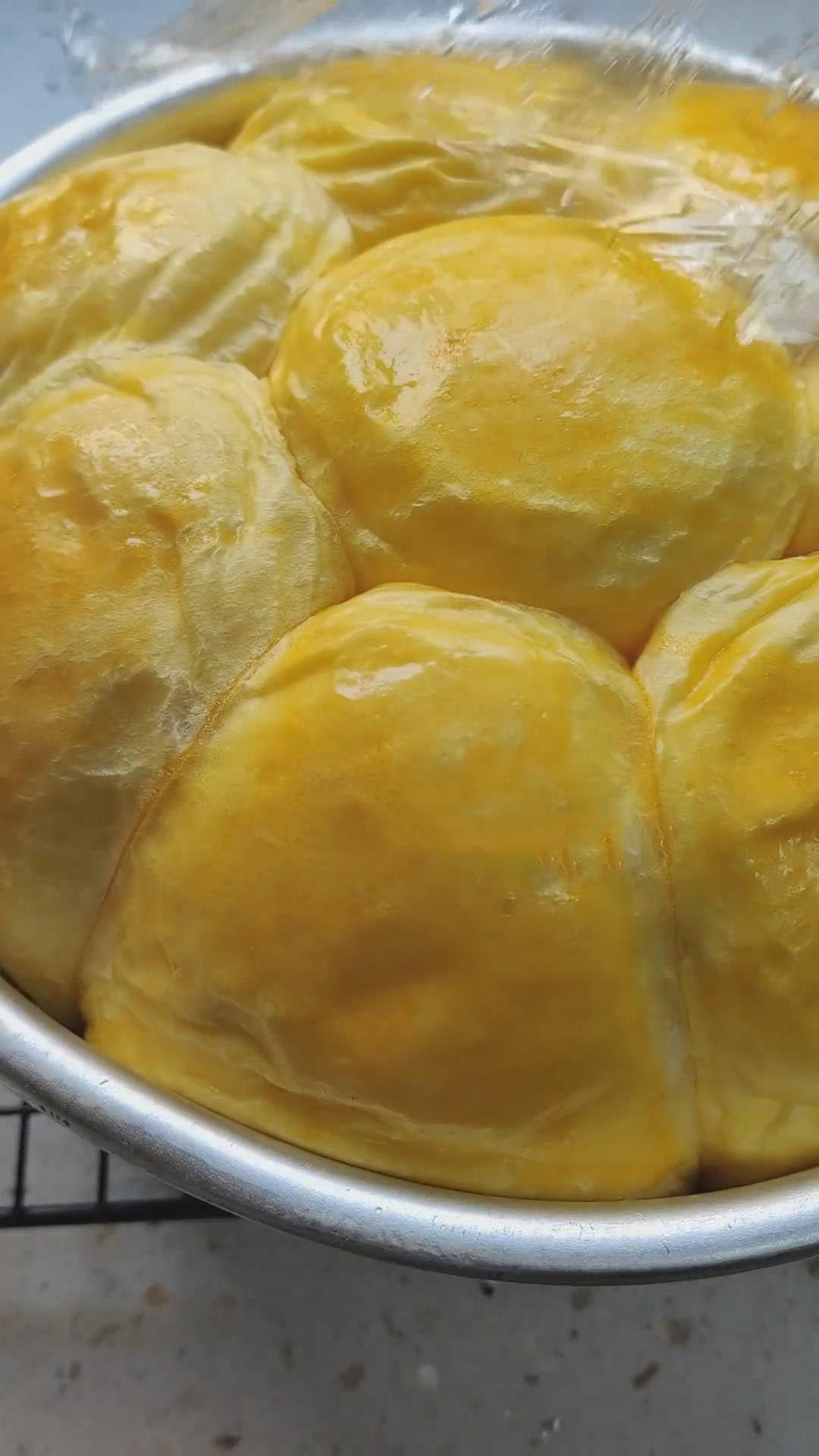
Brush a thin layer of egg yolk over the surface of each dough ball. Cover gently with plastic wrap.
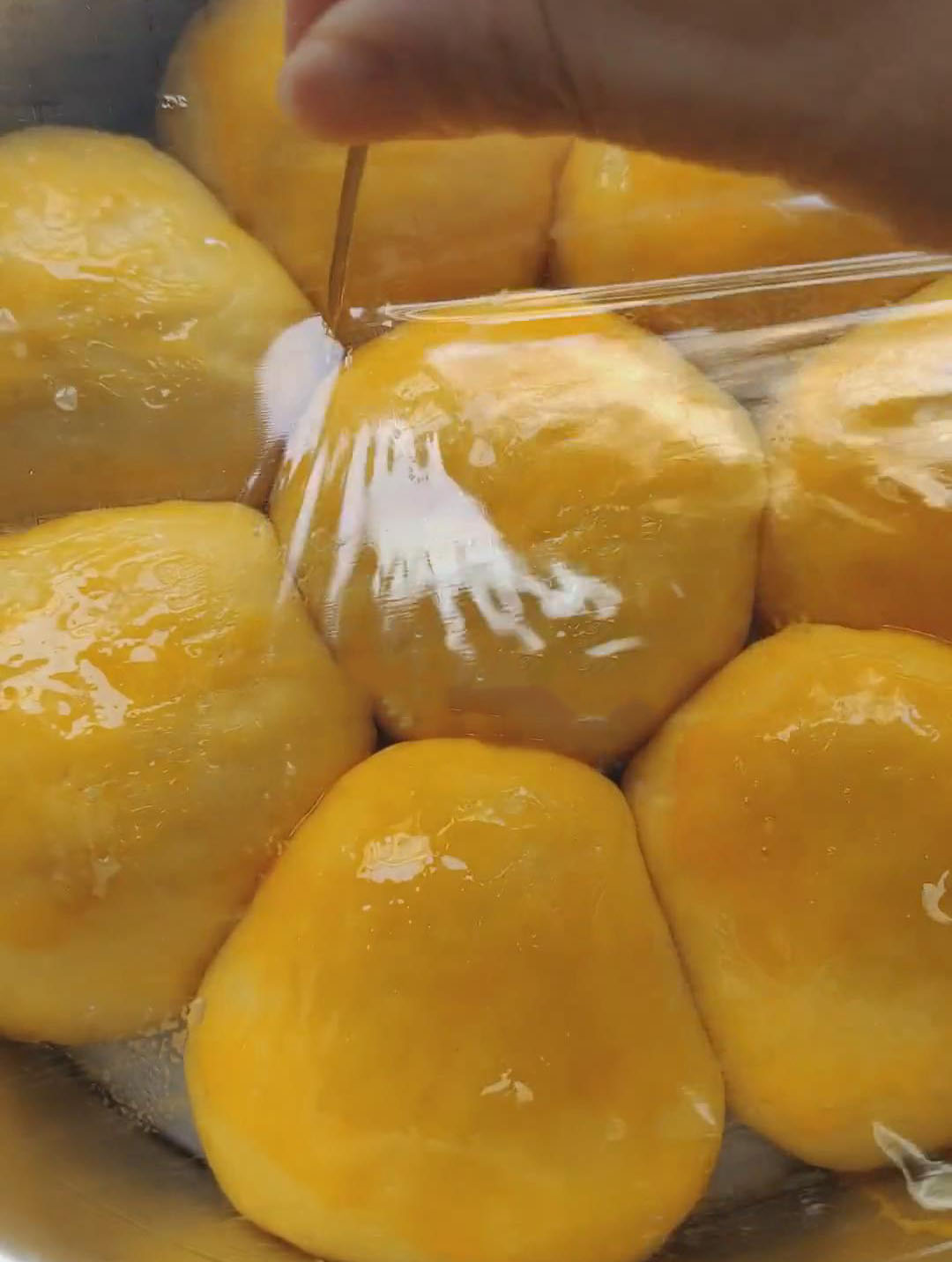
Use a toothpick to poke a few holes in the plastic wrap—this helps steam escape.
Bring water to a boil in your steamer over high heat. Once boiling, place the mold with the dough inside.
Steam for 40 minutes.
After steaming, don’t open the lid right away. Let the buns sit in the pot for 3 minutes before opening.
Carefully remove and enjoy your freshly steamed, stretchy, and sweet bread rolls!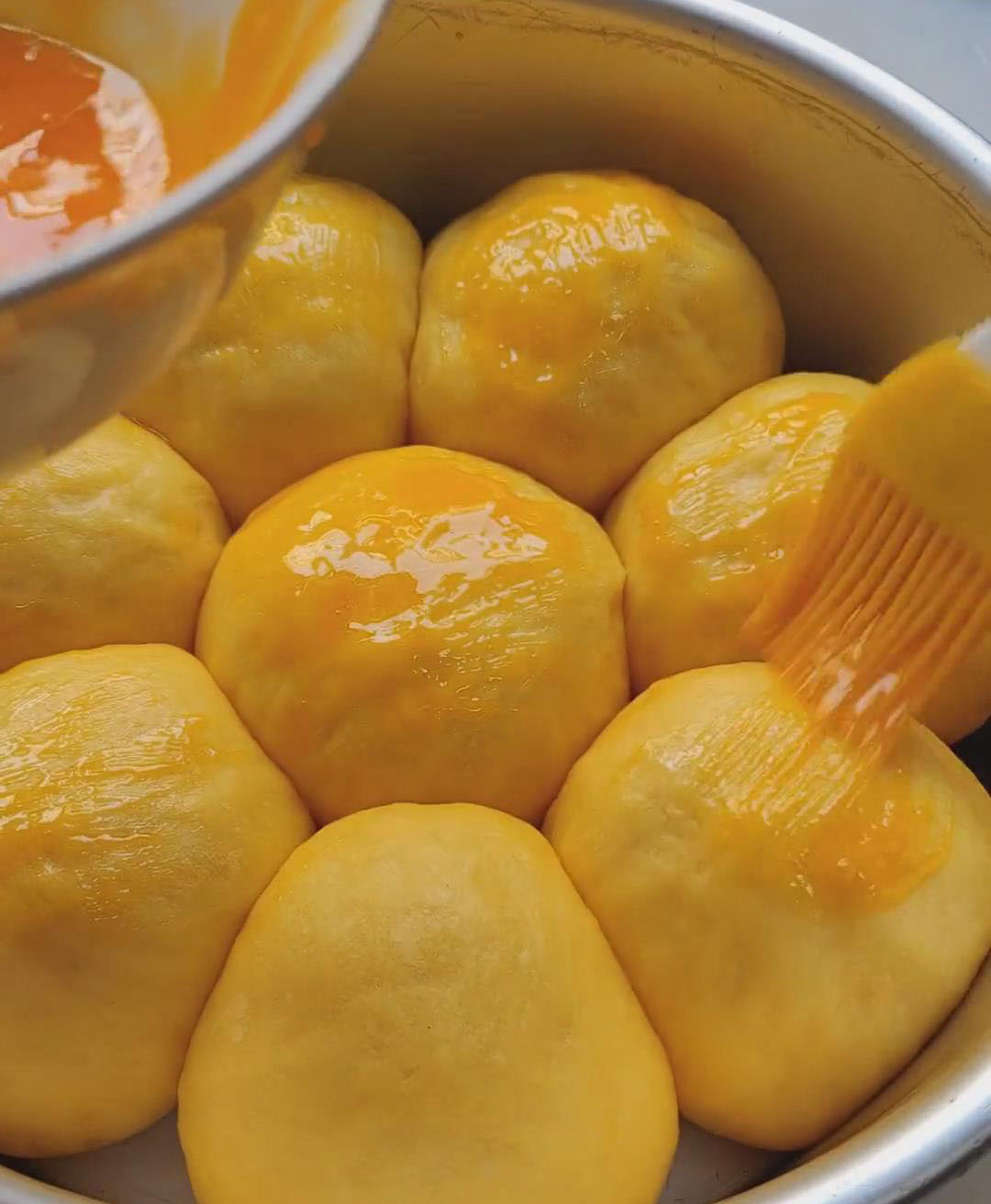
Frequently Asked Questions
How do I know if I‘ve kneaded enough?
When you can stretch a piece of dough into a thin, see-through film (like a balloon), you’ve reached the ideal gluten development.
Can I skip the egg yolk wash?
Yes, but the egg yolk adds a beautiful golden sheen to the surface after steaming.
Easy Steamed Dinner Rolls – No Oven Needed
Ingredients
- 300 g high-gluten bread flour
- 3 g yeast
- 50 g sugar
- 3 eggs
- 25 g corn oil
- Egg yolk for brushing the top
Instructions
Mix ingredients and knead the dough
- In a mixing bowl, combine 300 g bread flour, 3 g yeast, and 50 g sugar. Stir to mix evenly using chopsticks or a spatula.
- Crack in 3 eggs, then mix until the flour becomes crumbly and shaggy.
- Add 25 g corn oil and begin kneading the dough by hand until it turns smooth and soft on the surface.
Knead until you can pull a “glove film”
- Transfer the dough onto a clean board. Knead it repeatedly using a motion similar to hand-washing clothes.
- This step may take some time and effort—be patient. Keep kneading until the dough can stretch into a thin, elastic membrane (a “glove film”). This ensures the final bread will be light and fluffy.
First rise (proofing)
- Shape the dough into a ball and cover it tightly with plastic wrap.
- Place the dough in a warm area—sunlight, near a heater, or a proofing box—and let it rise until it doubles in size.
- Depending on the temperature, this could take 1 to 2 hours.
Shape and second proofing
- Once the dough has risen, remove the plastic wrap and gently knead it again to deflate and push out any trapped air.
- Roll the dough into a long log and divide it into 8 equal pieces, each about 60 g. Shape each piece into a round ball.
- Lightly grease a mold or steaming dish, and place the dough balls inside.
- Let the dough rest and rise again in a warm spot for about 30 minutes, or until they become round and puffy.
Final touch and steaming
- Brush a thin layer of egg yolk over the surface of each dough ball. Cover gently with plastic wrap.
- Use a toothpick to poke a few holes in the plastic wrap—this helps steam escape.
- Bring water to a boil in your steamer over high heat. Once boiling, place the mold with the dough inside.
- Steam for 40 minutes.
- After steaming, don't open the lid right away. Let the buns sit in the pot for 3 minutes before opening.
- Carefully remove and enjoy your freshly steamed, stretchy, and sweet bread rolls!

Leave a Reply