
Looking for a festive and easy dessert? Try this steamed pumpkin glutinous rice cake — chewy, fragrant, and perfect for tea time.
What is Pumpkin Nian Gao
Pumpkin Nian Gao is a Chinese-style steamed glutinous rice cake made with pumpkin puree, glutinous rice flour, and sugar.
Traditionally, nian gao (年糕) is a sticky rice cake often enjoyed during Chinese New Year, because the word “nian gao” sounds like “higher year” (年高), symbolizing growth, progress, and prosperity.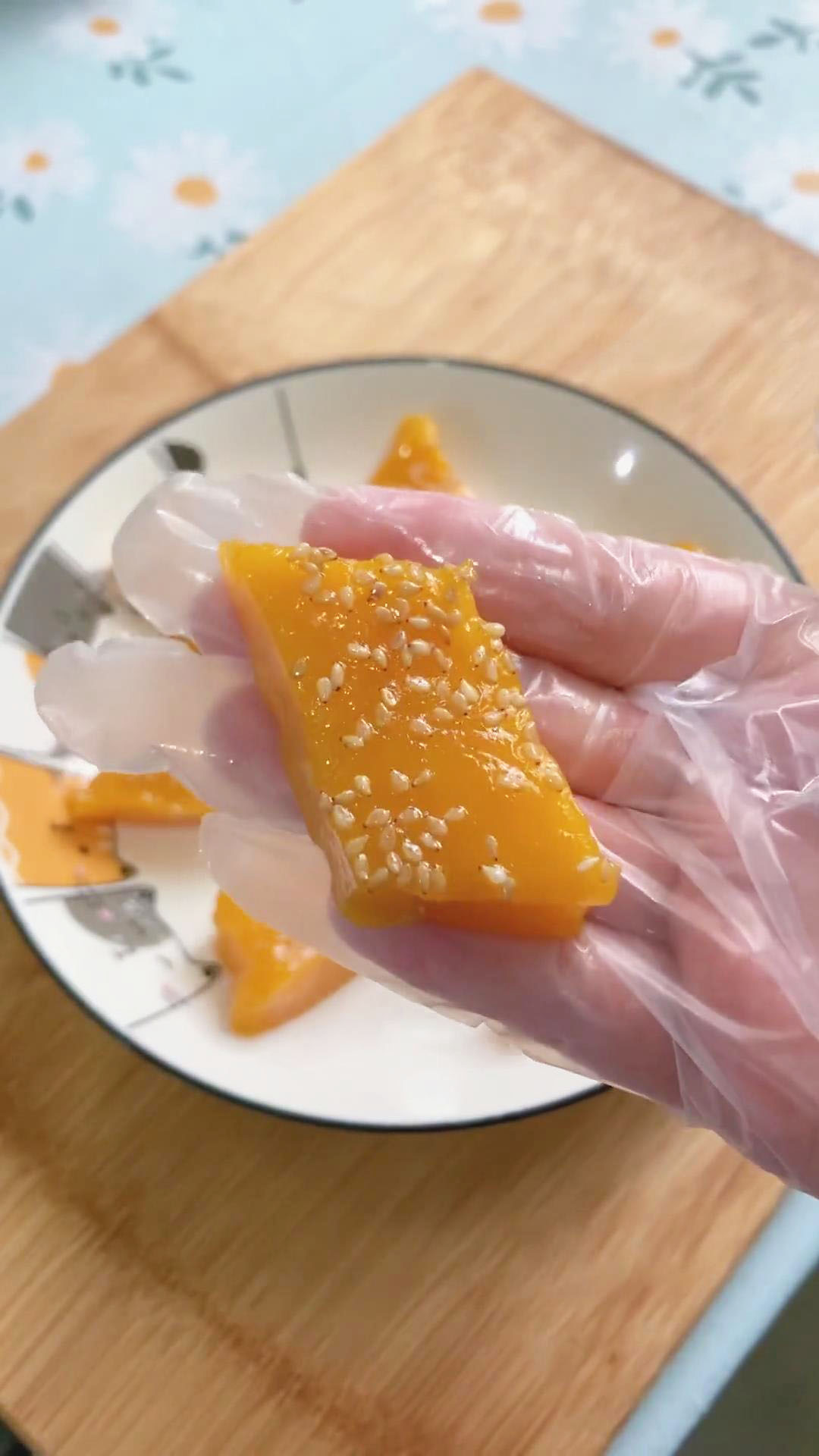
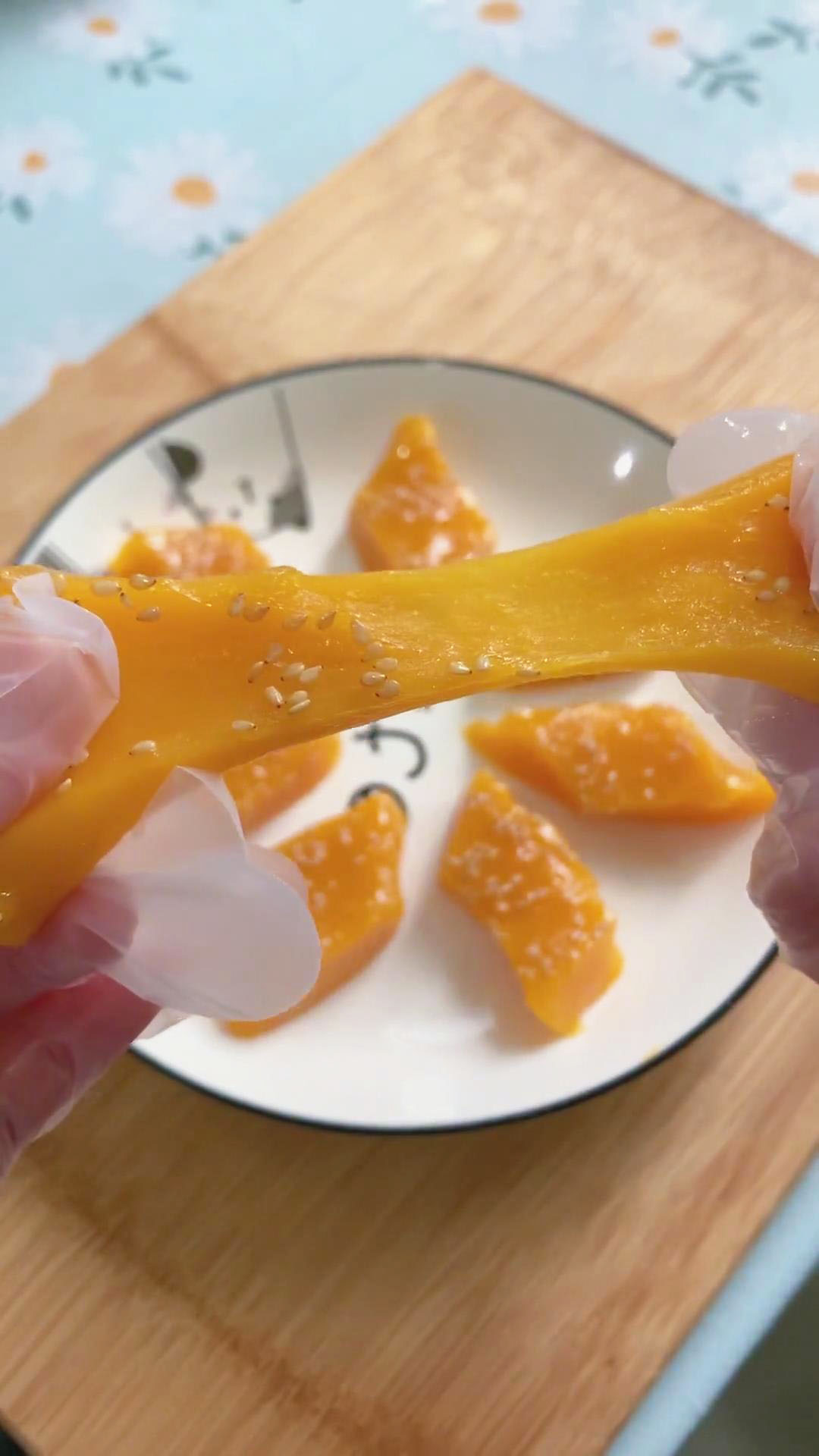
In my family, nian gao isn’t something we only enjoy during Lunar New Year — I make it often because we love the chewy, comforting texture.
This Pumpkin Nian Gao has become one of our favorites.
I especially love how simple it is to prepare: just mix the batter, steam, and let it set.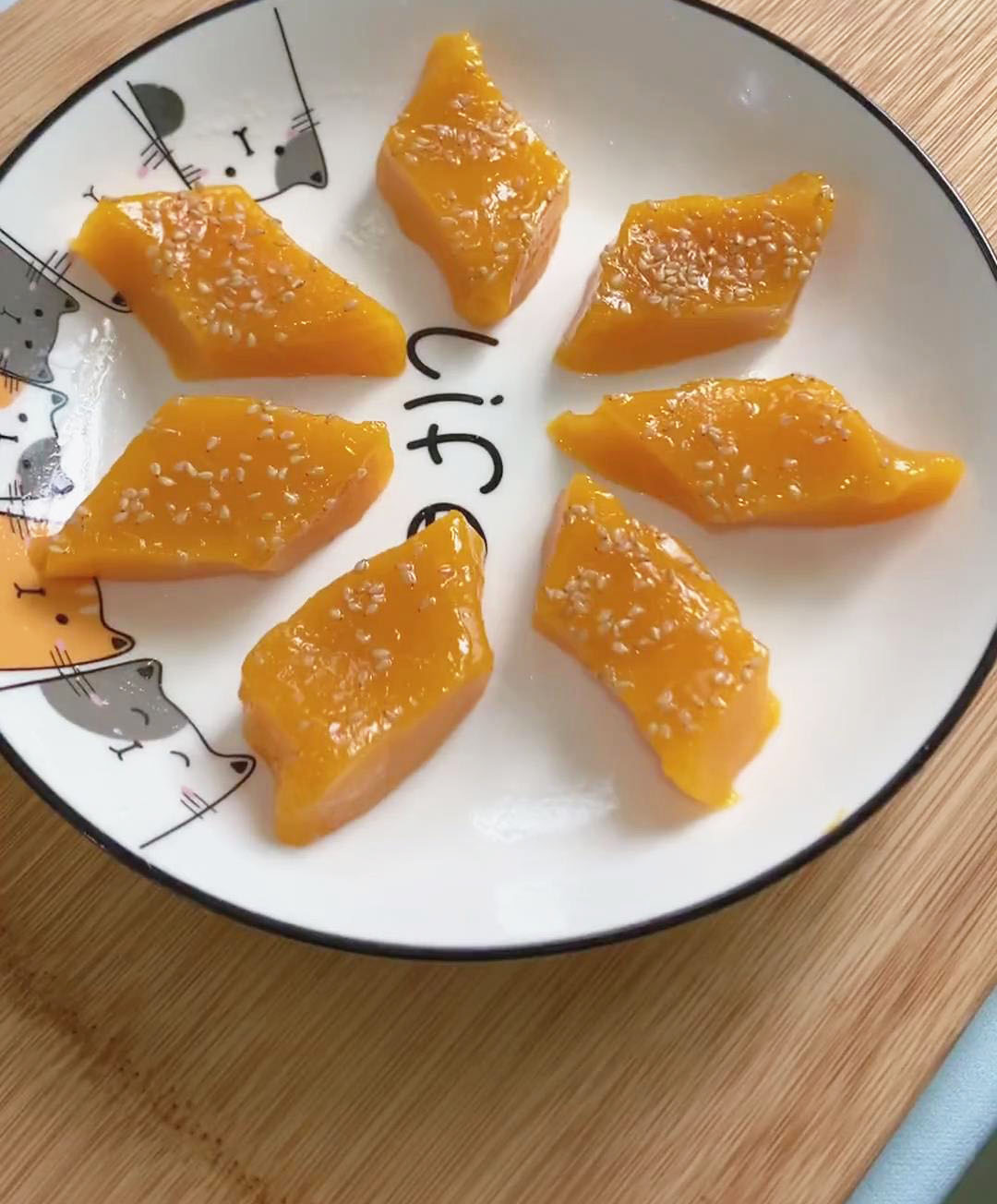
Ingredients:
For the Pumpkin Nian Gao:
- 300g pumpkin (after cooking, you will need 200g purée)
- 160g tapioca starch
- 8g glutinous rice flour
- 40g white granulated sugar (caster sugar preferred)
- 230g water
- 20g corn oil (or other neutral oil)
For Garnish:
- 15g toasted white sesame seeds
Note on Ingredients:
Pumpkin: Choose a dense, sweet variety like sugar pumpkin or kabocha. Avoid watery pumpkins, as they will make the batter too thin. You need exactly 200g of cooked, mashed purée.
Tapioca Starch: This is the key ingredient for the characteristic chewy, Q-texture. Do not substitute it with cornstarch or potato starch, as the texture will not be the same.
Glutinous Rice Flour: This is also called sweet rice flour. It adds a subtle softness to balance the chewiness. Using too much will make the nian gao sticky; using too little will make it too hard.
Water: The amount of water needed may vary slightly depending on the water content of your pumpkin purée. If your purée seems very wet, you may reduce the water by 20-30g.
Instructions:
- Preparation
Wash the pumpkin thoroughly. Carefully cut it into halves, remove the seeds and stringy pulp, and then peel off the tough skin. Cut the flesh into small, 2cm cubes.
Place the cubes in a steamer basket. Bring water in the steamer to a boil, then reduce to medium heat and steam the pumpkin for 15 minutes, or until the cubes are very tender and can be easily pierced with a fork or chopstick. Take the steamed pumpkin out and place it in a large bowl.
While the pumpkin is steaming, generously grease the inside of your chosen mold with a little extra corn oil, making sure to coat the bottom and all sides.
- Make the Pumpkin Purée
Using a spoon or a fork, thoroughly mash the steamed pumpkin while it is still warm. Mash it until it is completely smooth and free of any lumps. You should have exactly 200g of pumpkin purée.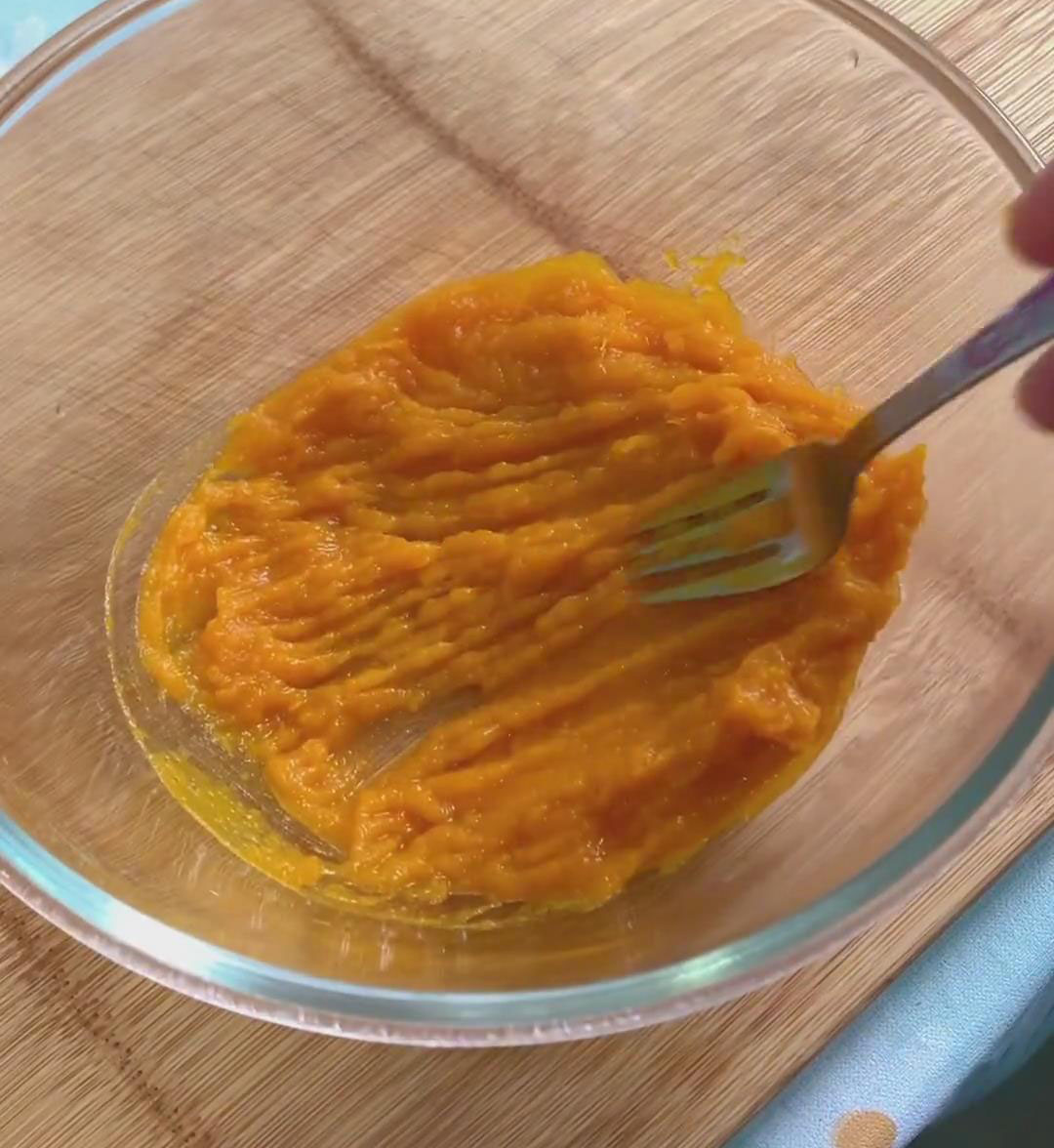
- Mix the Batter
In a large mixing bowl, combine the 200g of warm pumpkin purée, 40g of white granulated sugar, and 230g of water. Whisk until the sugar is dissolved and the mixture is smooth.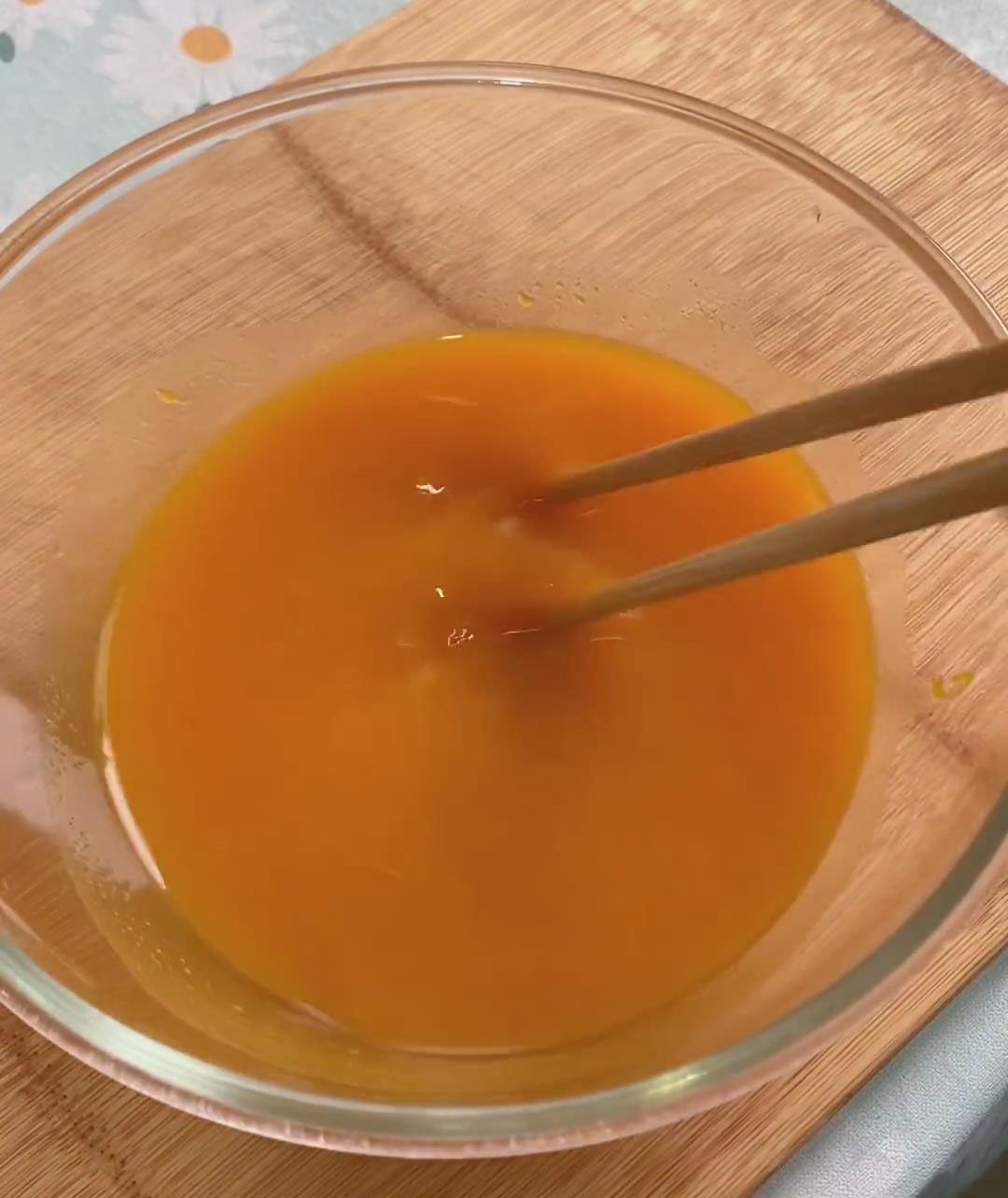
Add the 8g of glutinous rice flour and the 160g of tapioca starch to the bowl. Whisk very vigorously and quickly to combine everything and to prevent the tapioca starch from forming lumps. The batter should be completely smooth.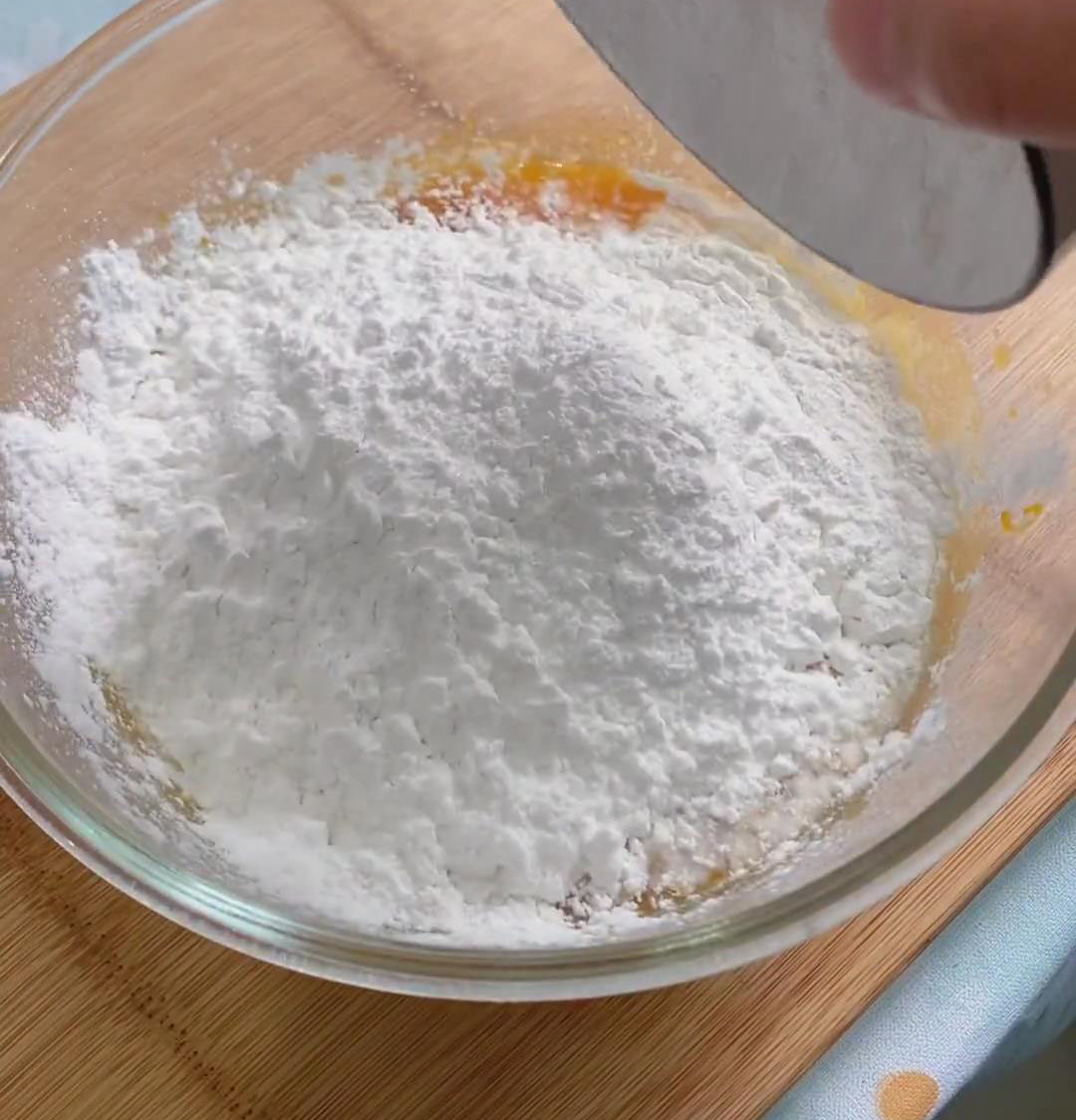
Finally, pour in the 20g of corn oil. Continue to whisk for about another minute until the oil is fully incorporated and the surface of the batter looks glossy.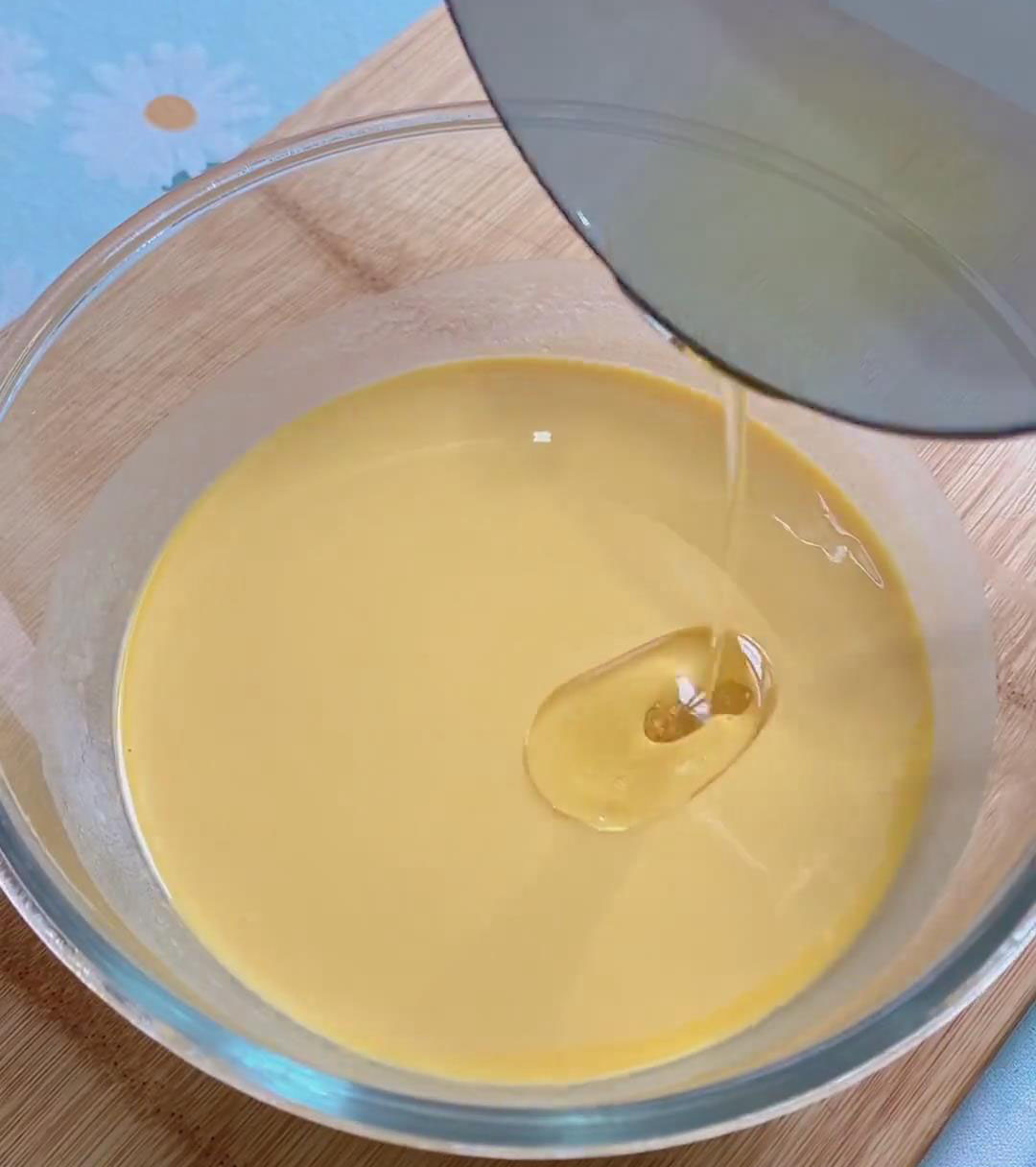
- Steam the Nian Gao
Pour the smooth batter into your prepared, oiled mold. Gently tap the mold on the counter 3-5 times to release any air bubbles trapped in the batter.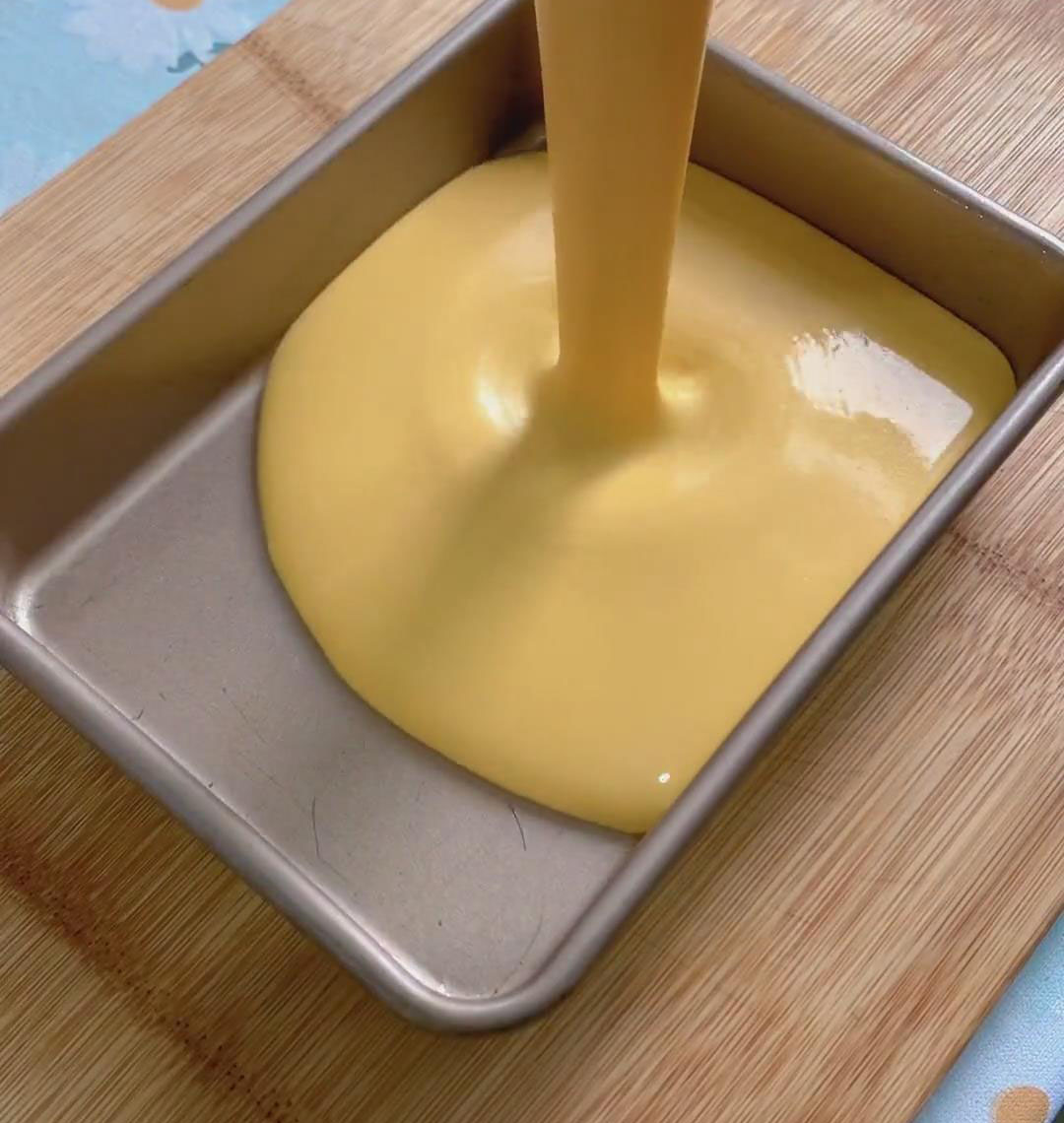
Prepare your steamer and bring the water to a rolling boil. Carefully place the mold into the steamer. Cover the steamer and maintain a medium heat. Steam for 30 minutes.
If your mold is very shallow (less than 3cm deep), check at 25 minutes. If it is very deep, you may need to steam for 35 minutes. To check for doneness, insert a clean chopstick into the center of the nian gao. If it comes out clean, with no wet batter sticking to it, it is done.
- Garnish, Cool, and Serve
Immediately after removing the nian gao from the steamer, sprinkle the top evenly with the 15g of toasted white sesame seeds.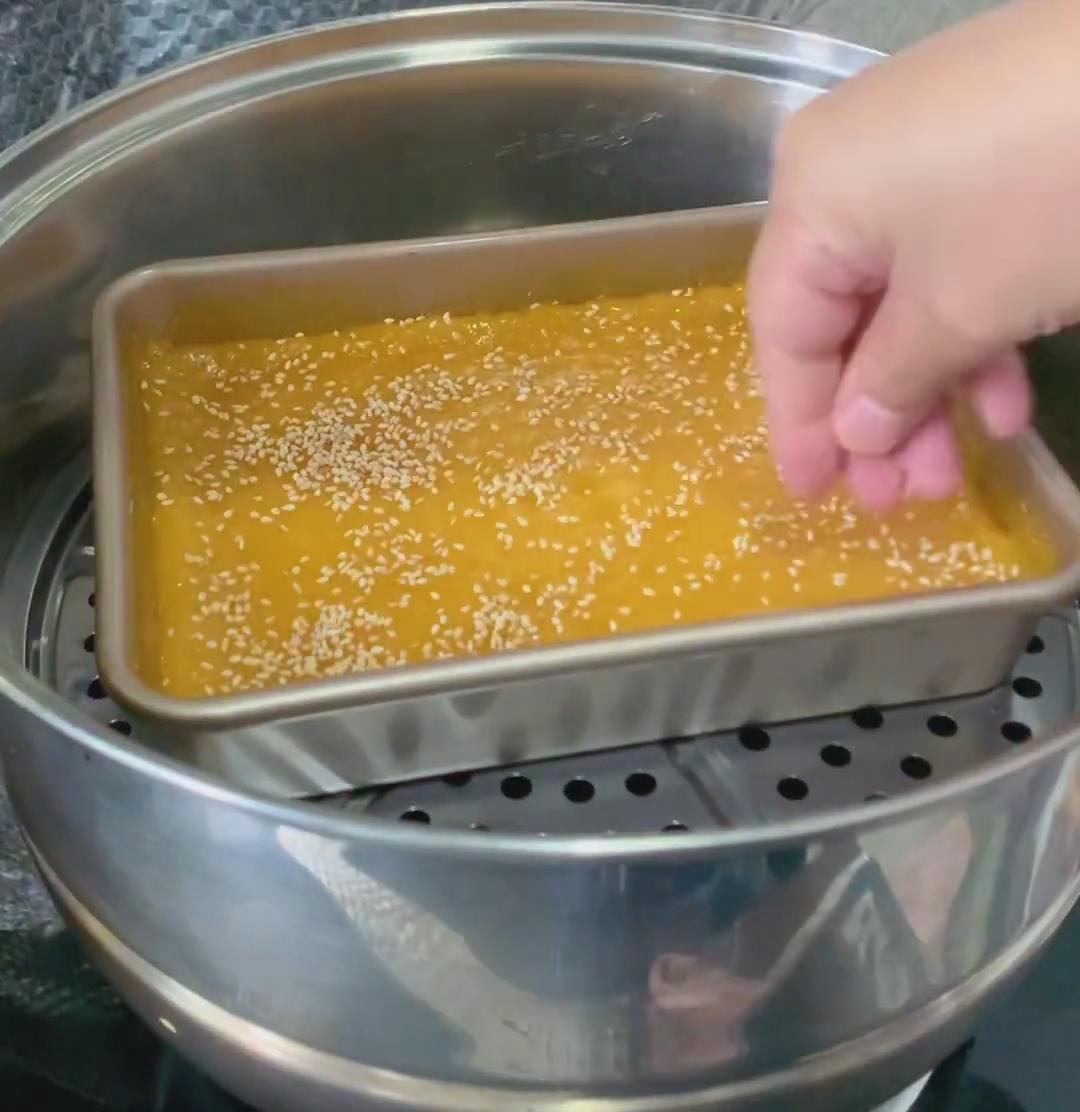
Place the entire mold on a cooling rack and allow the nian gao to cool completely to room temperature. This is a mandatory step that will take about 1 hour. Do not attempt to remove or slice it while warm, as it will be too soft and sticky.
Once completely cool, run a thin knife around the edges of the mold to loosen the nian gao. Invert the mold to release it onto a cutting board. Use a sharp knife, lightly moistened with water, to slice it into pieces. Wipe the knife clean between cuts for neat slices.
Frequently Asked Questions
Q: Can I make this less sweet?
Yes, since pumpkin is naturally sweet, you can reduce the sugar to 60g without affecting texture.
Q: How do I store pumpkin nian gao?
Store in an airtight container in the fridge for up to 4–5 days. To serve, reheat slices by steaming or pan-frying until warm and soft again.
Q: Can I freeze it?
Yes! Cut into slices, wrap individually in plastic wrap, and freeze for up to 2 months. Re-steam before serving.
Q: Why is my nian gao too soft?
This usually happens if the pumpkin puree is too watery. Next time, reduce the water by 20–30ml.

Easy Steamed Pumpkin Nian Gao (No-Bake!)
Ingredients
For the Pumpkin Nian Gao:
- 300 g pumpkin after cooking, you will need 200g purée
- 160 g tapioca starch
- 8 g glutinous rice flour
- 40 g white granulated sugar caster sugar preferred
- 230 g water
- 20 g corn oil or other neutral oil
For Garnish:
- 15 g toasted white sesame seeds
Instructions
Preparation
- Wash the pumpkin thoroughly. Carefully cut it into halves, remove the seeds and stringy pulp, and then peel off the tough skin. Cut the flesh into small, 2cm cubes.
- Place the cubes in a steamer basket. Bring water in the steamer to a boil, then reduce to medium heat and steam the pumpkin for 15 minutes, or until the cubes are very tender and can be easily pierced with a fork or chopstick. Take the steamed pumpkin out and place it in a large bowl.
- While the pumpkin is steaming, generously grease the inside of your chosen mold with a little extra corn oil, making sure to coat the bottom and all sides.
Make the Pumpkin Purée
- Using a spoon or a fork, thoroughly mash the steamed pumpkin while it is still warm. Mash it until it is completely smooth and free of any lumps. You should have exactly 200g of pumpkin purée.
Mix the Batter
- In a large mixing bowl, combine the 200g of warm pumpkin purée, 40g of white granulated sugar, and 230g of water. Whisk until the sugar is dissolved and the mixture is smooth.
- Add the 8g of glutinous rice flour and the 160g of tapioca starch to the bowl. Whisk very vigorously and quickly to combine everything and to prevent the tapioca starch from forming lumps. The batter should be completely smooth.
- Finally, pour in the 20g of corn oil. Continue to whisk for about another minute until the oil is fully incorporated and the surface of the batter looks glossy.
Steam the Nian Gao
- Pour the smooth batter into your prepared, oiled mold. Gently tap the mold on the counter 3-5 times to release any air bubbles trapped in the batter.
- Prepare your steamer and bring the water to a rolling boil. Carefully place the mold into the steamer. Cover the steamer and maintain a medium heat. Steam for 30 minutes.
- If your mold is very shallow (less than 3cm deep), check at 25 minutes. If it is very deep, you may need to steam for 35 minutes. To check for doneness, insert a clean chopstick into the center of the nian gao. If it comes out clean, with no wet batter sticking to it, it is done.
Garnish, Cool, and Serve
- Immediately after removing the nian gao from the steamer, sprinkle the top evenly with the 15g of toasted white sesame seeds.
- Place the entire mold on a cooling rack and allow the nian gao to cool completely to room temperature. This is a mandatory step that will take about 1 hour. Do not attempt to remove or slice it while warm, as it will be too soft and sticky.
- Once completely cool, run a thin knife around the edges of the mold to loosen the nian gao. Invert the mold to release it onto a cutting board. Use a sharp knife, lightly moistened with water, to slice it into pieces. Wipe the knife clean between cuts for neat slices.

Leave a Reply