
This easy Chinese-style taro soup is creamy, clean, and cozy. Made with just 6 ingredients — perfect for a light lunch or dinner!
What is Taro?
Taro is a starchy root vegetable that’s been enjoyed for centuries across many Asian cuisines, especially in China. Taro is incredibly versatile. It can be stir-fried, braised, steamed, or turned into sweet desserts.
In Chinese cooking, taro is more than just an ingredient — it’s a seasonal comfort. You’ll see it in all kinds of dishes, from hearty stews to delicate desserts.
Here are some popular ways taro is enjoyed:
Handling Taro Safely
When peeling taro, I always recommend wearing rubber gloves. The raw sap can cause irritation or itchiness to sensitive skin. If irritation occurs, apply a bit of white vinegar or freshly crushed ginger juice to calm the itch.
A Simple Taro Soup Worth Trying
In traditional Chinese soups, it’s common to build deep, layered flavors through long simmering — like winter melon with pork ribs or pork rib soup. These broths are rich and nourishing, but they often require hours of cooking.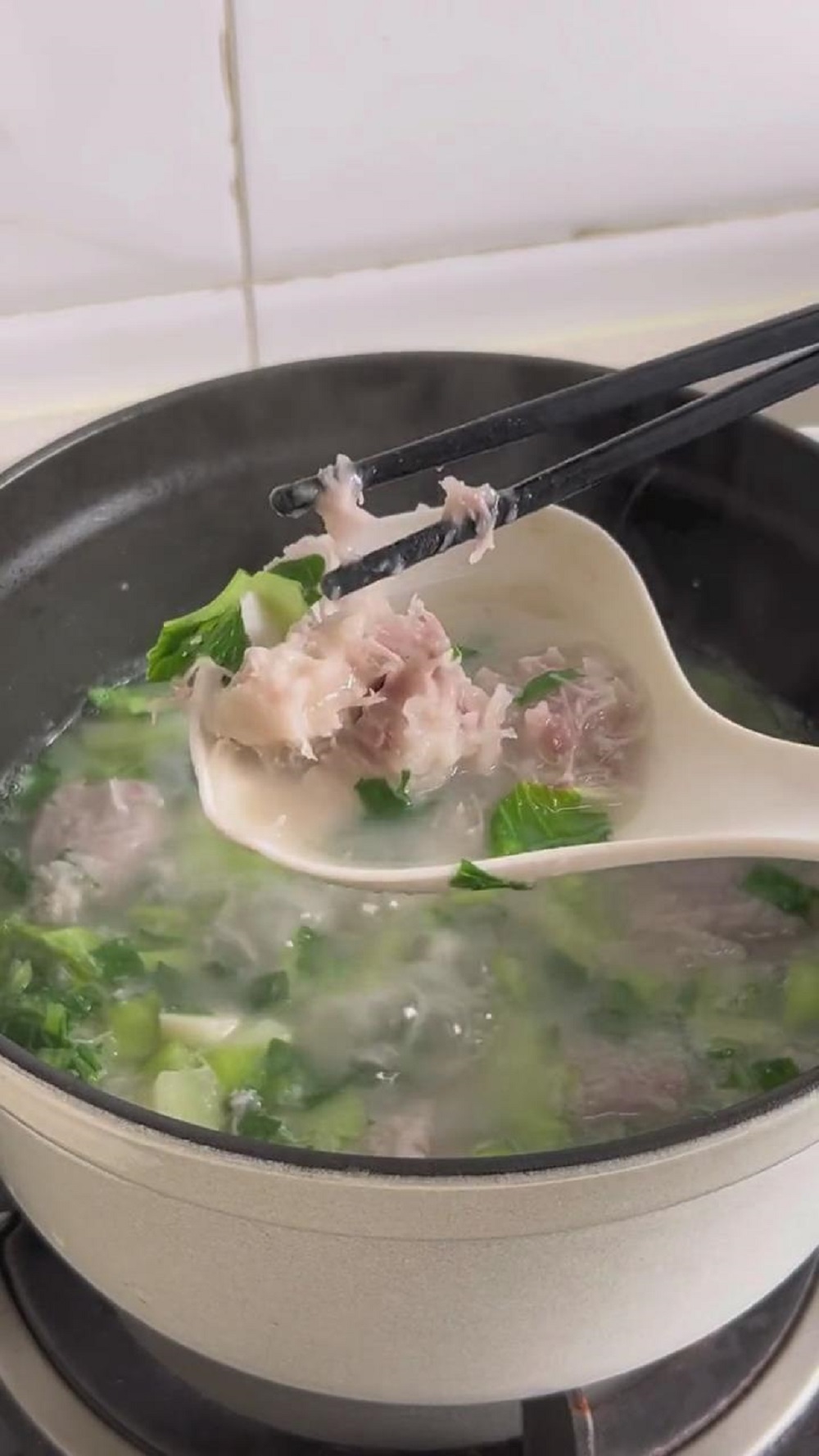


This taro soup is different.
Just like a quick Sweet Corn Egg Drop Soup, it’s designed for busy days. It’s light, fast, and only uses a few ingredients — yet it tastes clean, warm, and satisfying.
Simplicity is Best
Taro with Bok Choy Soup beautifully captures the essence of Chinese home cooking — fresh ingredients, minimal seasoning, and a focus on the natural flavors of the food.
When simmered together in just water and lightly seasoned with salt, taro and bok choy create a broth that is subtly sweet, fragrant, and full of body, even without meat or added stock.
This recipe is a great reminder that when your ingredients are high quality, simple really is best.
Key Tips and Common Questions
Low and slow for taro: The entire simmering process should be done on low heat. This allows the taro to become creamy all the way through. If rushed, you might end up with a soft outer layer and a firm center — which ruins the texture.
Quick-cook the greens: Bok choy should only be added at the very end. A 2–3 minute cook time is perfect to soften it slightly while keeping the vibrant green color and most of its nutrients. Overcooking leads to yellowish leaves and a loss of freshness.
Minimal seasoning works best: I only use a pinch of salt in this soup. This keeps the focus on the natural sweetness of the taro and the freshness of the bok choy.
If you prefer a bit more depth, you can add a sprinkle of white pepper or a few drops of toasted sesame oil at the end.
Swap out the greens: No bok choy? No problem. You can substitute it with:
- Spinach
- Chinese amaranth (xian cai/苋菜)
- Romaine lettuce or celtuce leaves
- Water spinach (kong xin cai/空心菜)
Always go with what’s in season and fresh at the market.
Add protein for a more complete meal: While this soup is light and clean, you can make it heartier by adding:
- Poached or pan-fried shrimp (blanch briefly first)
- Clams (steam or blanch before adding)
- Crumbled cooked egg or a soft-boiled egg for protein
- Silken tofu cubes for a vegan-friendly protein option
Ingredients
- 300 g taro (about 1 medium root)
- 200 g bok choy
- 3 cloves garlic (sliced)
- 1 tsp cooking oil
- 1–2 g salt (adjust to taste)
- 600 ml water (about 3 cups)
Note: Use gloves when peeling taro to avoid skin irritation from its sap.
Instructions
- Prep the ingredients
Peel the taro (wear gloves to protect your hands), and cut into 3 cm cubes.
Soak the cubes in water for 5 minutes to prevent browning.
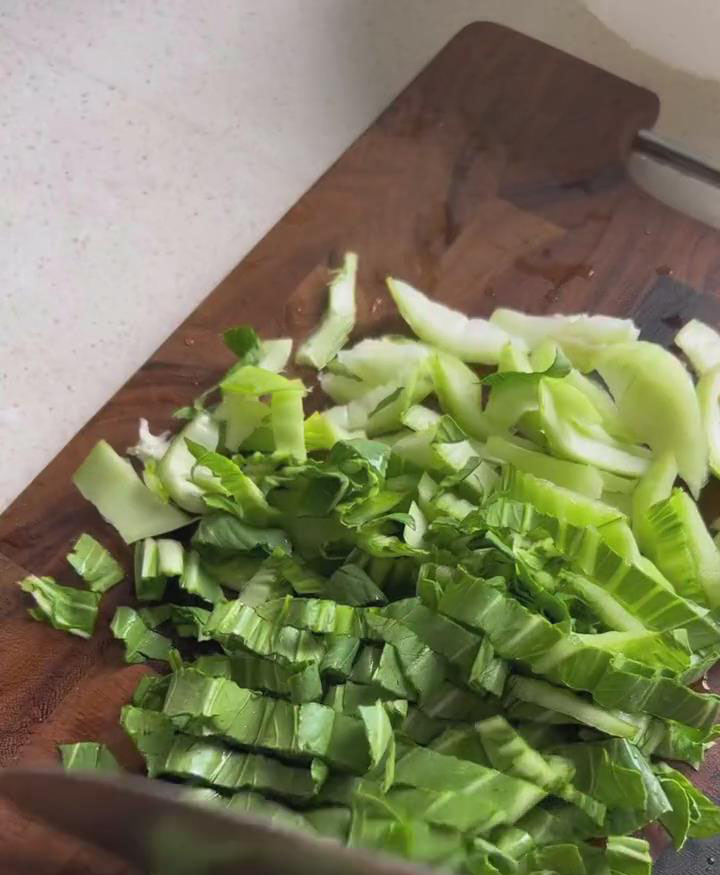
Wash the bok choy thoroughly, chop or tear into small pieces, and drain well.
- Cook the taro
Heat 1 tsp cooking oil in a pot over medium heat.
Add the sliced garlic and stir for about 1 minute until fragrant — do not let it brown.
Add the taro cubes, stir briefly, and pour in 600 ml water (should cover taro by about 2 cm).
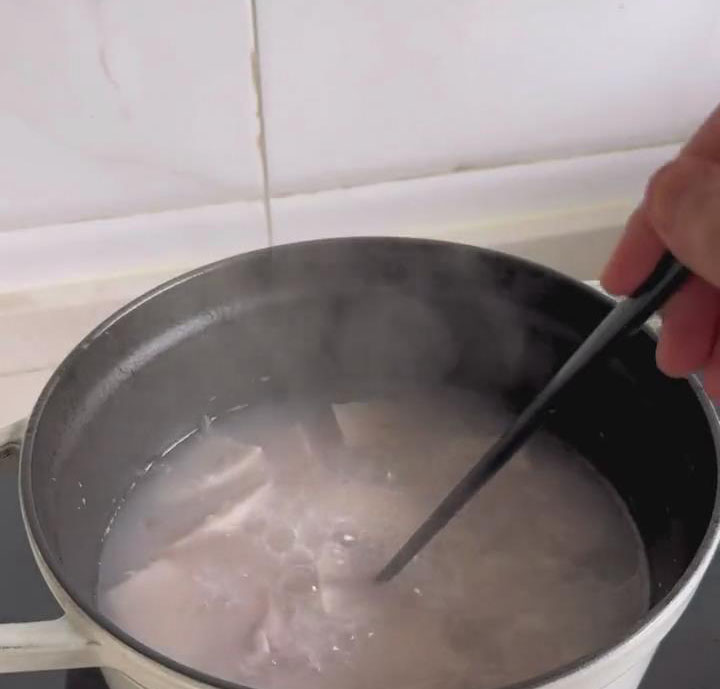
Bring to a boil, then reduce to low heat. Cover and simmer for 15–20 minutes, until the taro is fork-tender.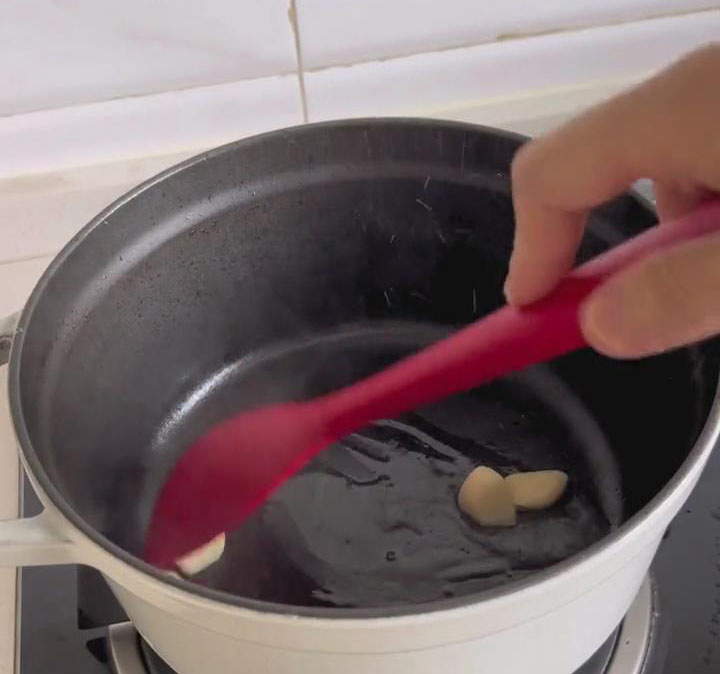
- Add the bok choy and season
Remove the lid, add the chopped bok choy, and gently stir to combine.
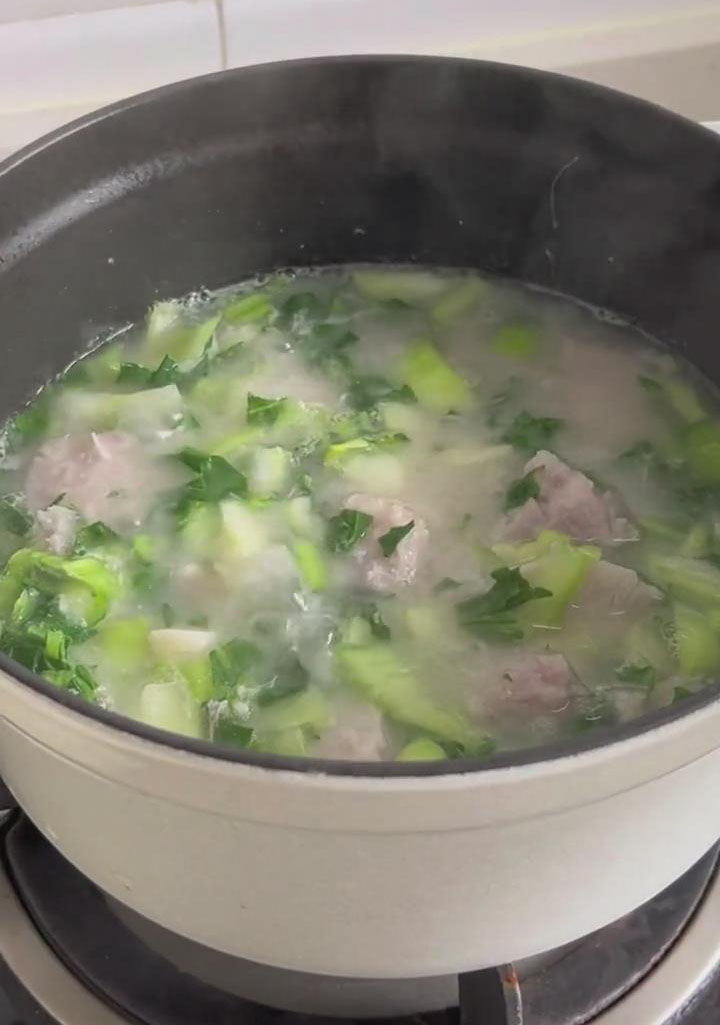
Continue cooking for 2–3 minutes until the bok choy softens and turns bright green.
Turn off the heat, season with 1–2 g salt, and stir to mix. Serve warm.
Frequently Asked Questions
Can I use frozen taro?
Yes! Just thaw and rinse before using. Fresh taro is creamier, but frozen works in a pinch.
Can I add protein?
Definitely. Silken tofu, shredded chicken, or cooked shrimp would all work well if you want to make it heartier.
How do I store leftovers?
Keep the soup in an airtight container in the fridge for up to 2 days. Reheat gently over low heat.

Comforting Taro Soup with Bok Choy
Ingredients
- 300 g taro about 1 medium root
- 200 g bok choy
- 3 cloves garlic sliced
- 1 tsp cooking oil
- 1 –2 g salt adjust to taste
- 600 ml water about 3 cups
Instructions
Prep the ingredients
- Peel the taro (wear gloves to protect your hands), and cut into 3 cm cubes.
- Soak the cubes in water for 5 minutes to prevent browning.
- Wash the bok choy thoroughly, chop or tear into small pieces, and drain well.
Cook the taro
- Heat 1 tsp cooking oil in a pot over medium heat.
- Add the sliced garlic and stir for about 1 minute until fragrant — do not let it brown.
- Add the taro cubes, stir briefly, and pour in 600 ml water (should cover taro by about 2 cm).
- Bring to a boil, then reduce to low heat. Cover and simmer for 15–20 minutes, until the taro is fork-tender.
Add the bok choy and season
- Remove the lid, add the chopped bok choy, and gently stir to combine.
- Continue cooking for 2–3 minutes until the bok choy softens and turns bright green.
- Turn off the heat, season with 1–2 g salt, and stir to mix. Serve warm.




Leave a Reply