
The first time I tasted Uyghur flatbread was during my trip to Xinjiang, and I still remember that first bite — warm, fragrant, and slightly crisp on the outside with a soft, milky interior.
Before leaving, I packed a few pieces to bring home for my family, and as soon as they tried it, everyone agreed it was absolutely delicious. In fact, it disappeared so quickly that there wasn’t enough to go around!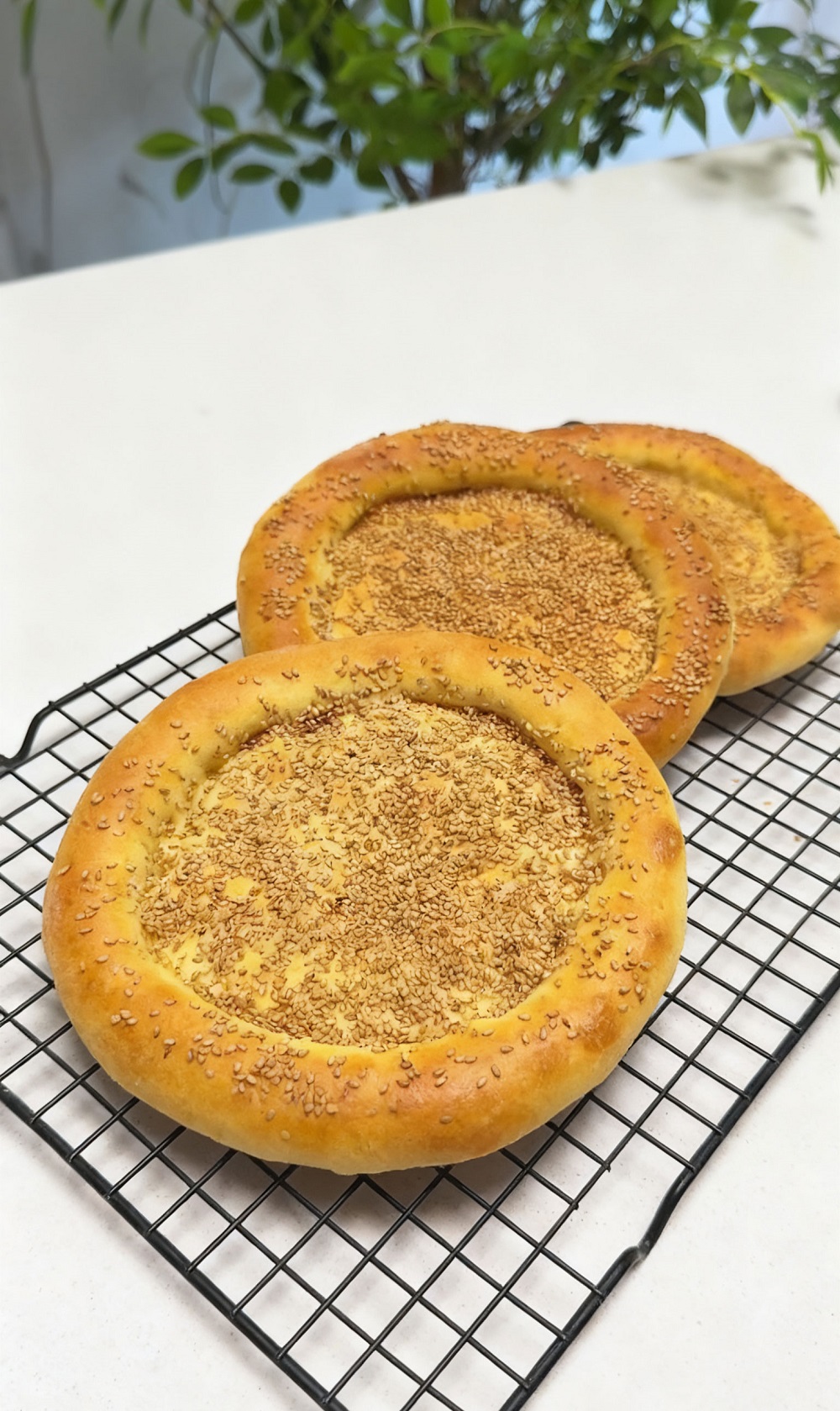
That experience stayed with me, and I started searching for a way to recreate that same flavor at home. This recipe is inspired by a talented Xinjiang food blogger whose version perfectly captures the essence of authentic Uyghur flatbread — crispy on the outside, soft and tender inside, and infused with a gentle aroma of milk and sesame.
What amazed me most is how simple and accessible the ingredients are — just flour, milk, egg, oil, and a touch of yeast — yet the result tastes just as good as the ones I had in Xinjiang.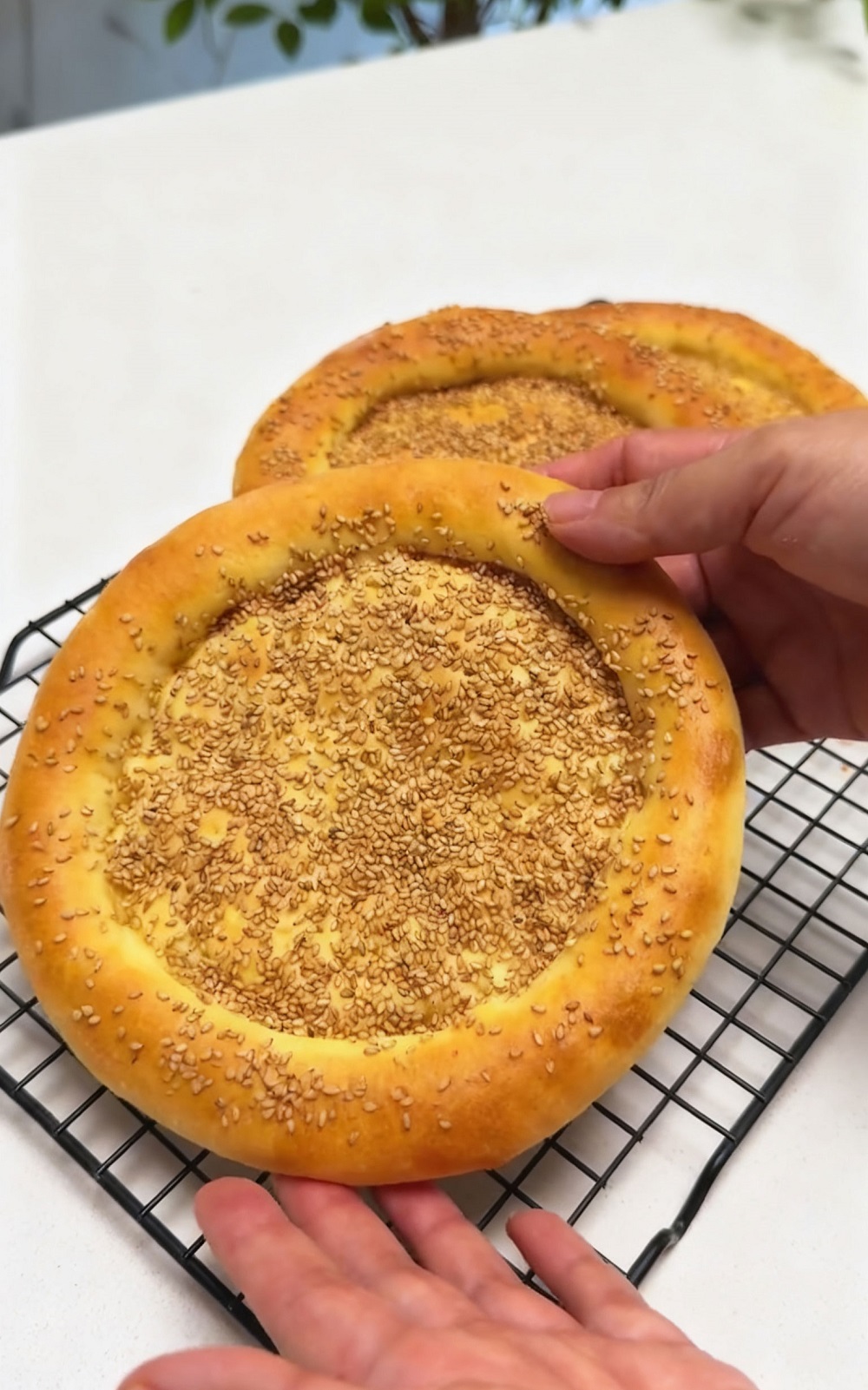
What is Uyghur Flatbread
Uyghur Flatbread or Nángbĭng, also known as Uyghur Naan (or Nang), is a traditional bread from the Uyghur people of Xinjiang, a region in northwestern China.
It’s one of the most iconic foods in Uyghur cuisine — a staple that’s eaten daily, often served with tea, soups, kebabs, or just enjoyed on its own.
Why You‘ll Love This Recipe
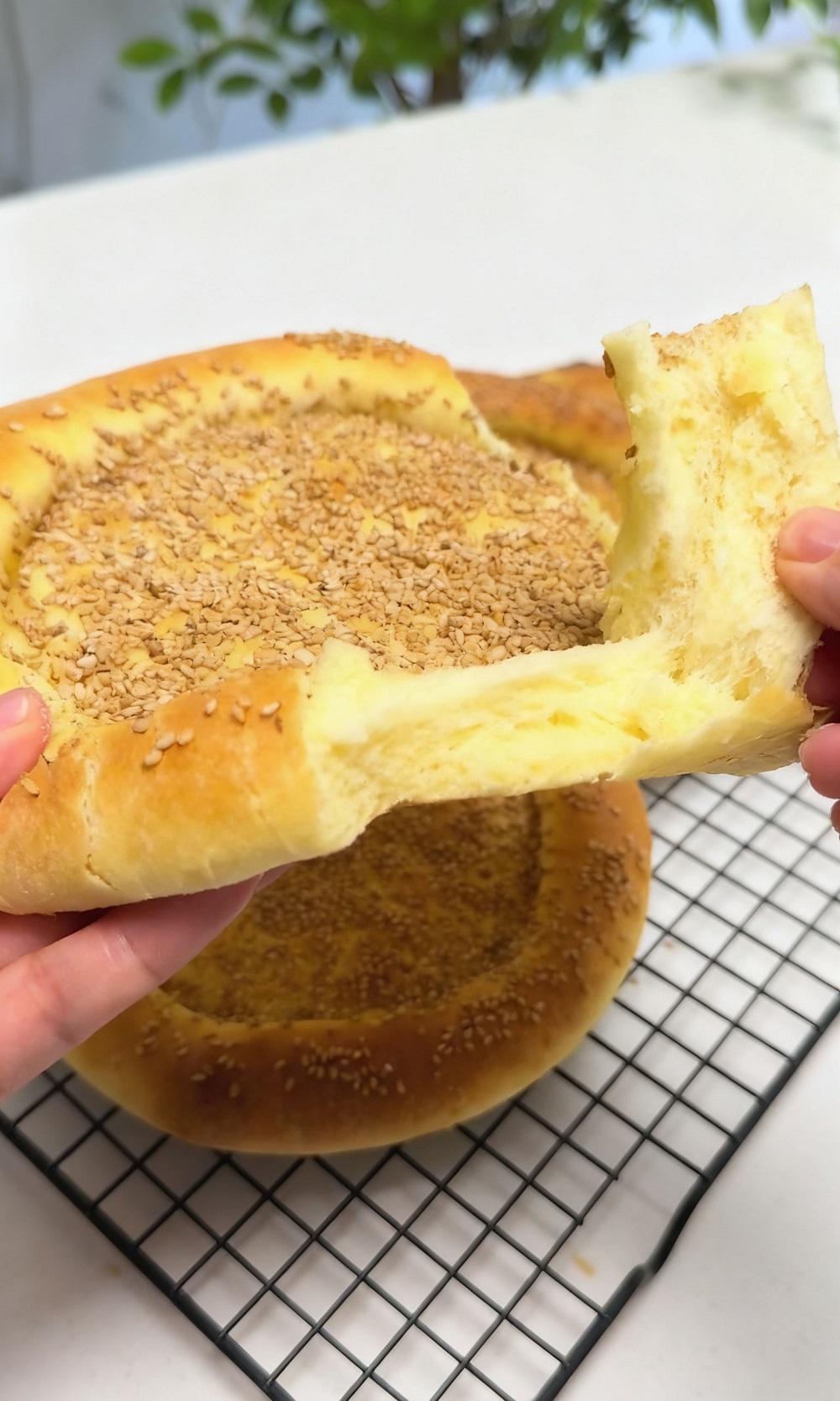
- The bread has a crispy golden crust with a soft and fluffy center — the perfect texture contrast in every bite.
- It’s beautifully aromatic, with the subtle sweetness of milk and the nuttiness of toasted sesame.
- The recipe uses everyday ingredients — just flour, milk, egg, yeast, and sesame — yet produces bakery-quality results.
- No special tools needed — this bread can be baked in the oven or cooked on a stovetop.
- It’s versatile — serve it savory with kebabs or dips, or make a sweet variation with a touch of sugar.
Ingredients and Substitutions
- Flour – I use Xinjiang flour, which has a natural yellow tint and moderate gluten content, perfect for naan with a chewy but tender crumb. If you can’t find it, bread flour works well too.
- Egg & Milk Mix – This combination gives the dough its signature aroma and tenderness. Beat the egg first before mixing with milk for a smooth, creamy liquid base. Adjust slightly if your flour absorbs more or less liquid.
- Yeast – Use active dry yeast to help the dough rise and achieve that fluffy interior.
- Corn Oil – Adds stretch and crispness to the crust. You can substitute with sunflower or soybean oil, but avoid butter, which changes the traditional flavor profile.
- Salt – Balances the sweetness of the milk and enhances the sesame aroma. It might seem minor, but it’s essential for depth of flavor.
- White Sesame Seeds – Adds a toasty, nutty finish and visual appeal. You can also use black sesame seeds for a slightly bolder aroma and contrast.
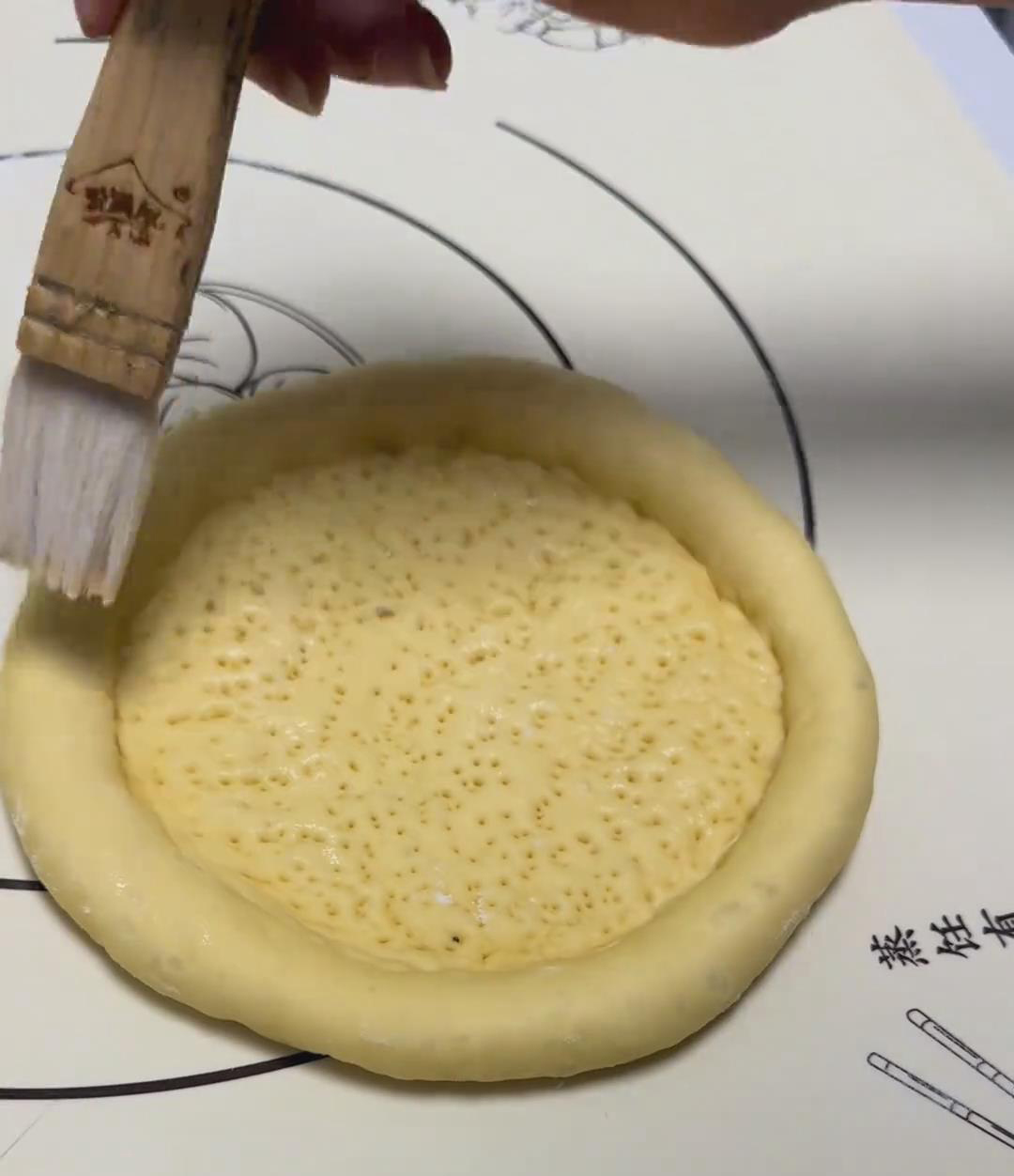
- Milk (for brushing) – Brushing milk before baking helps the sesame stick and gives the naan a beautiful golden glow. Water can be used if milk isn’t available, but the crust will color less deeply.
How to Make Uyghur Flatbread
Step 1. Mix and Knead the Dough
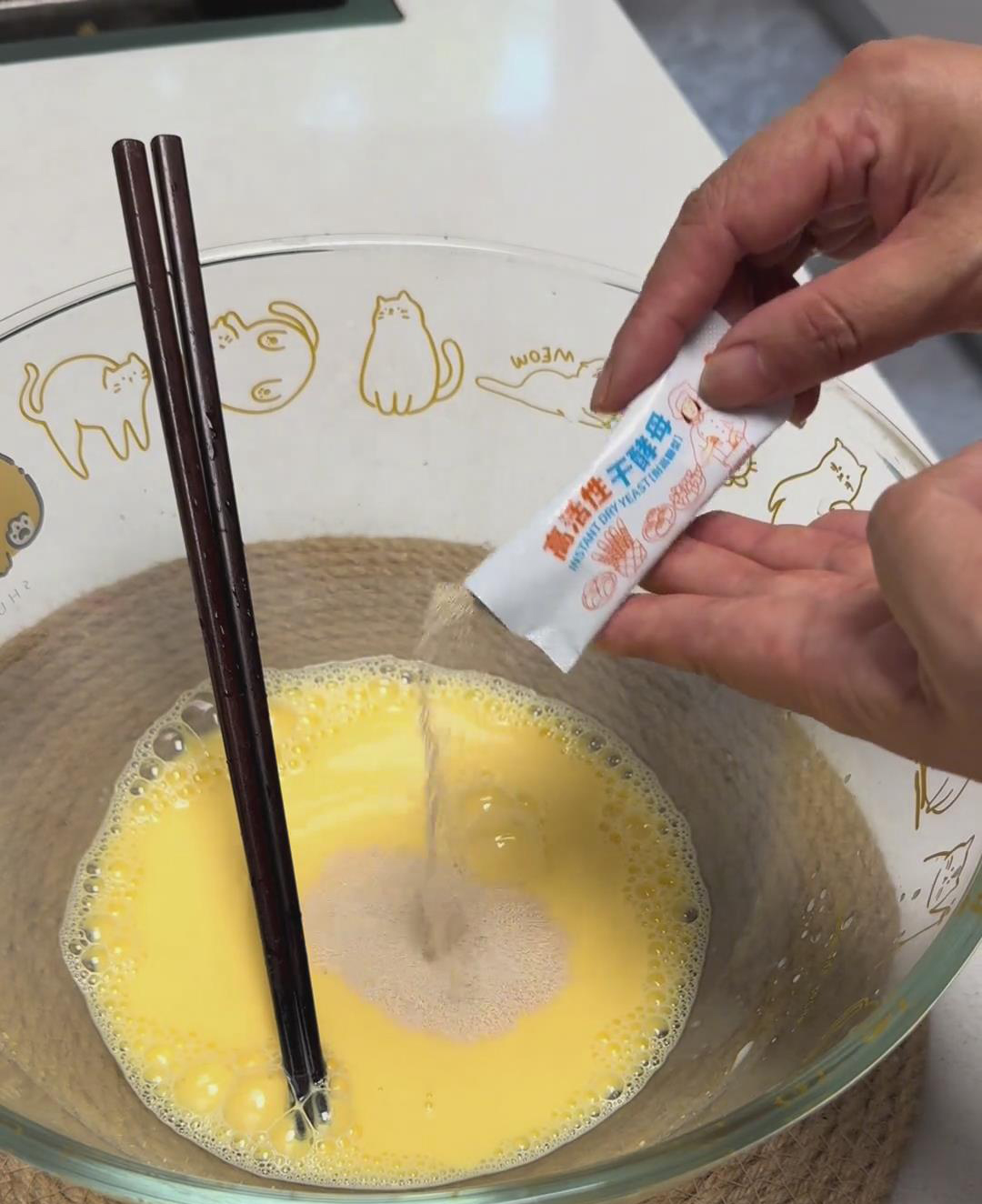
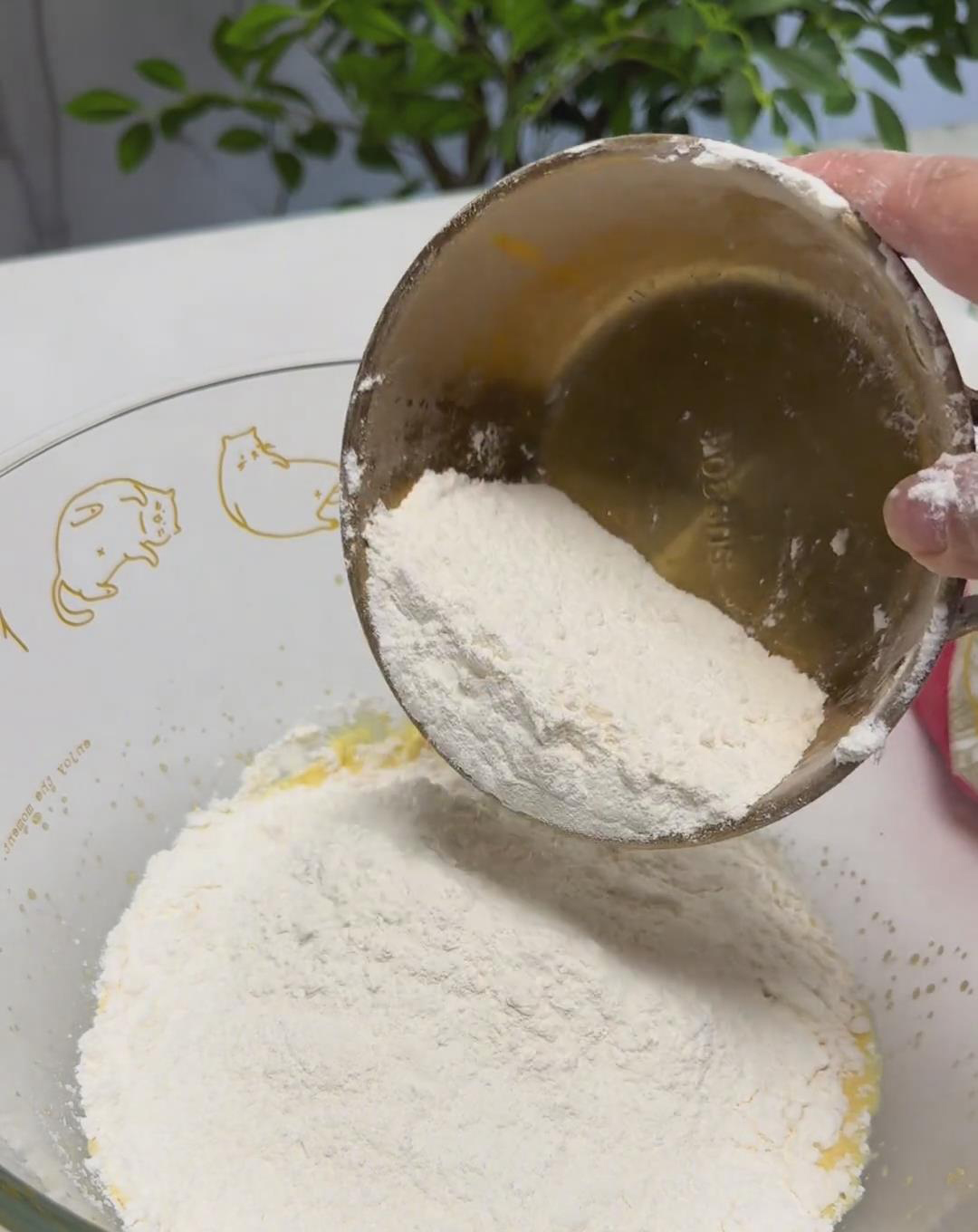
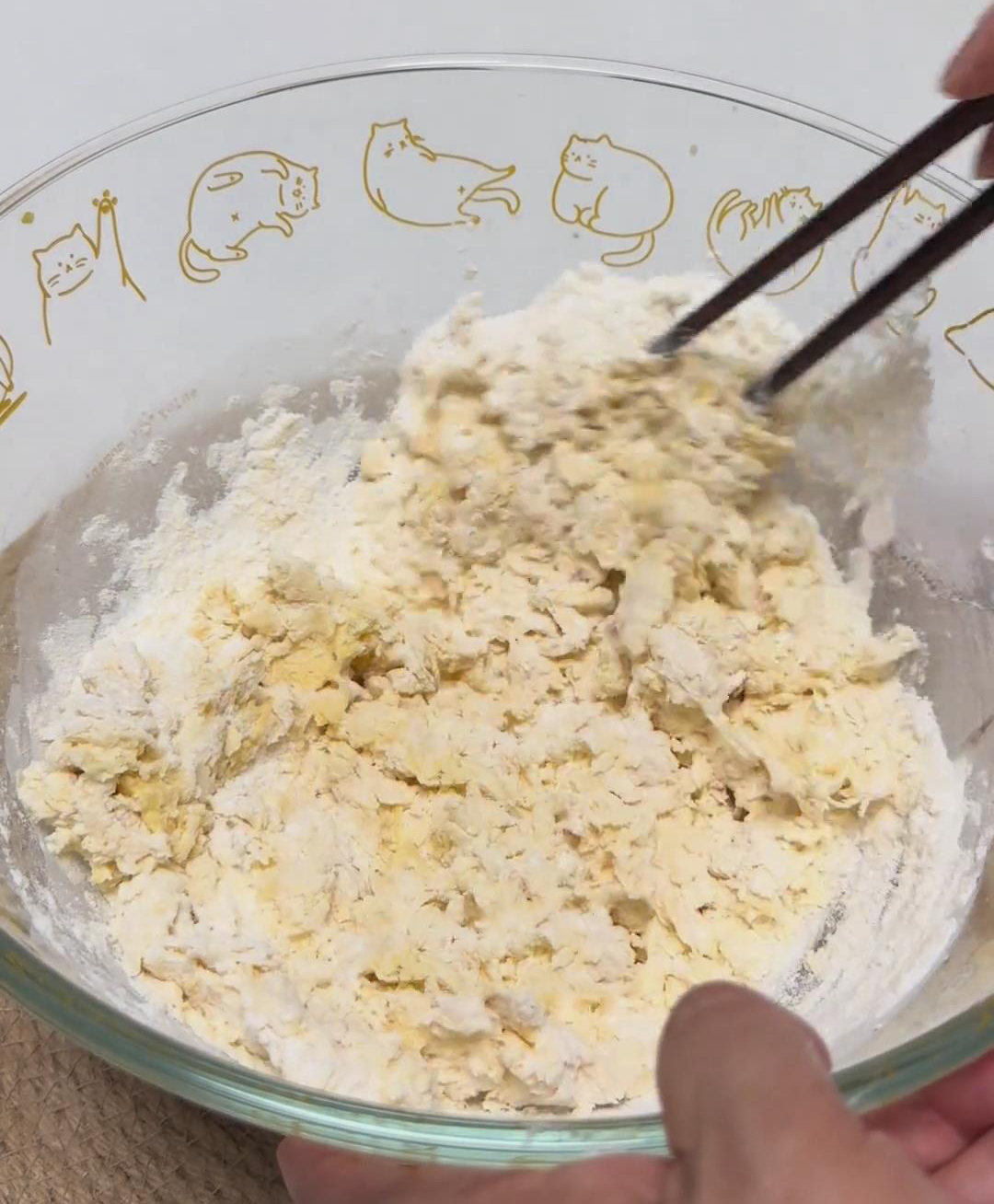
Beat the egg and mix it with milk to a total weight of about 170 g. Add the yeast and stir until it’s partially dissolved. Add flour to the mixture and stir with chopsticks until no dry flour remains. Add salt and corn oil, then knead until smooth, elastic, and non-sticky. Adjust with a bit more milk or flour if needed to achieve a soft dough.

Step 2. First Rise (Fermentation)
Cover the dough (with plastic wrap) and let it rest in a warm place until doubled in size. At 25°C, this takes about 1 to 1.5 hours. Properly risen dough should feel airy and look honeycombed inside.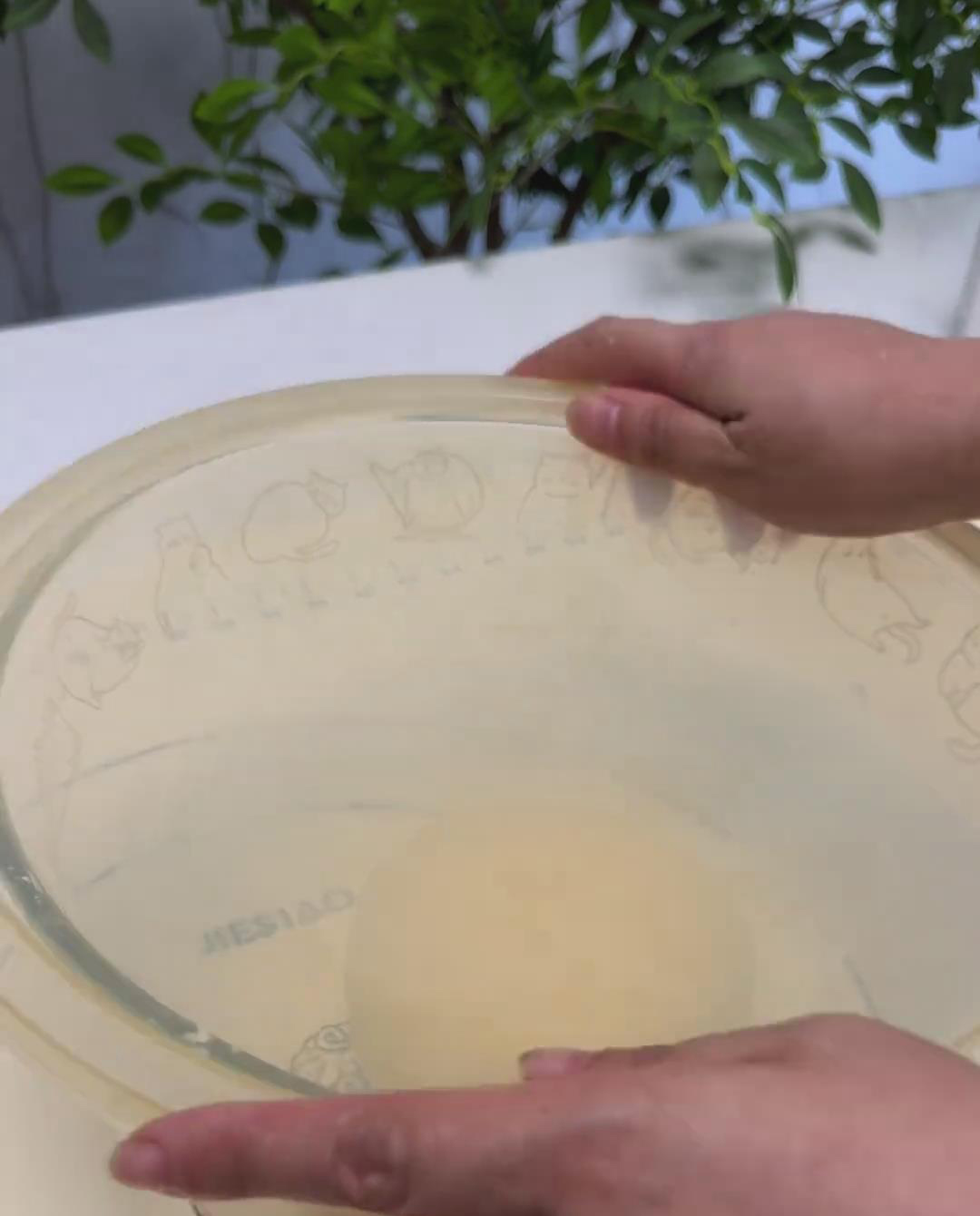
Step 3. Divide and Rest
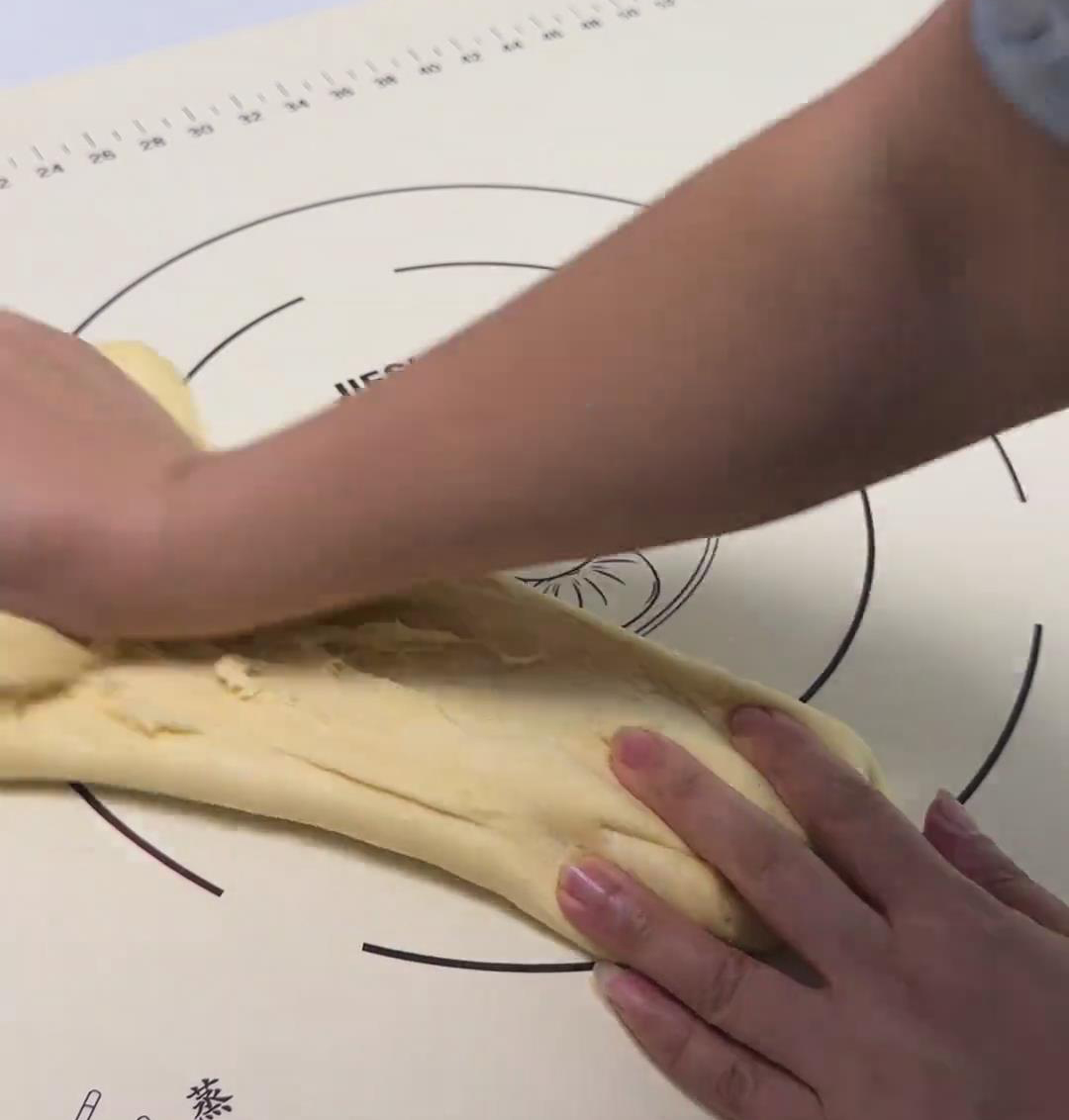
Place the fermented dough on a clean work surface. Press down firmly with the palm of your hand to degas the dough, removing the large air bubbles inside.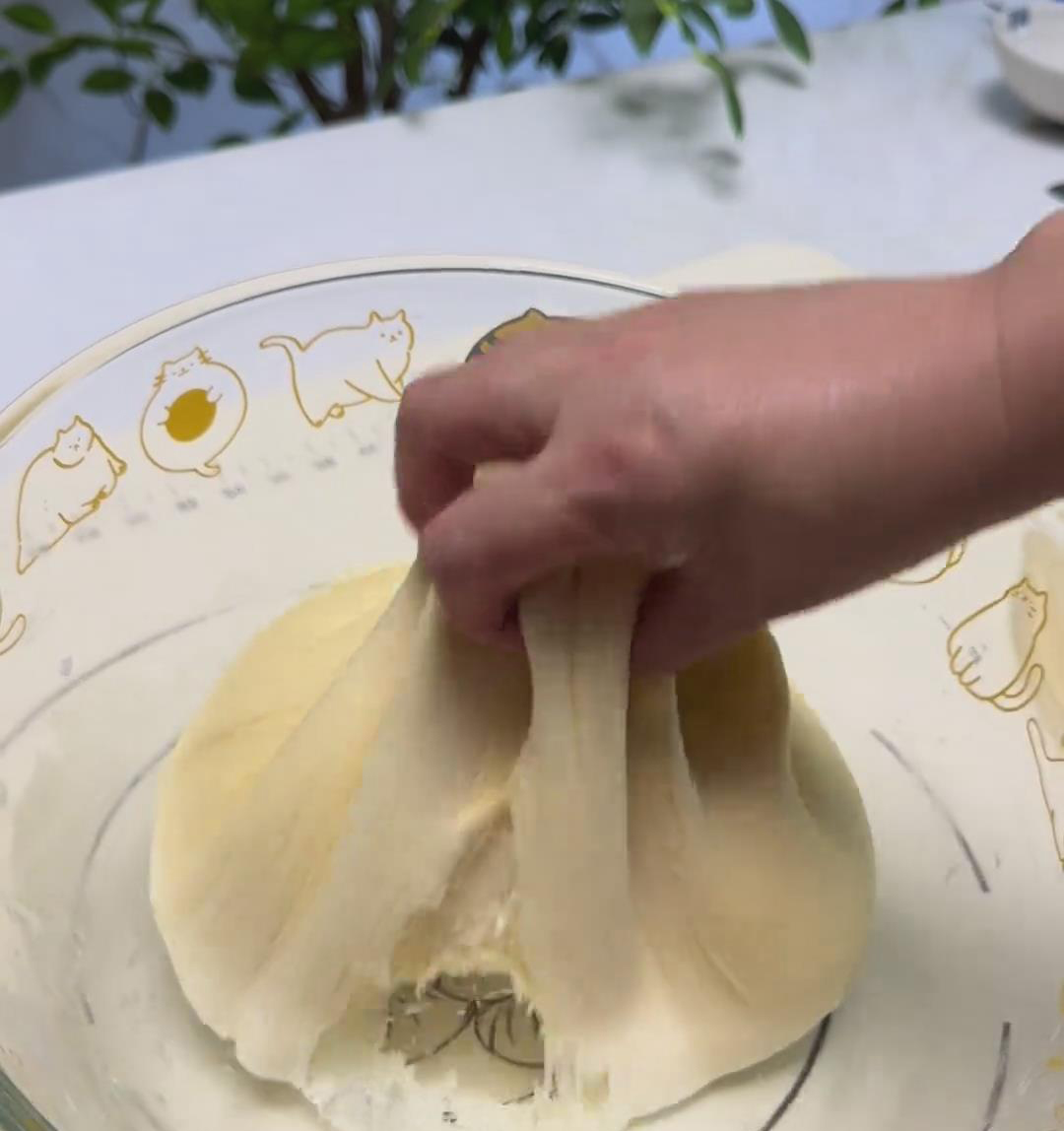
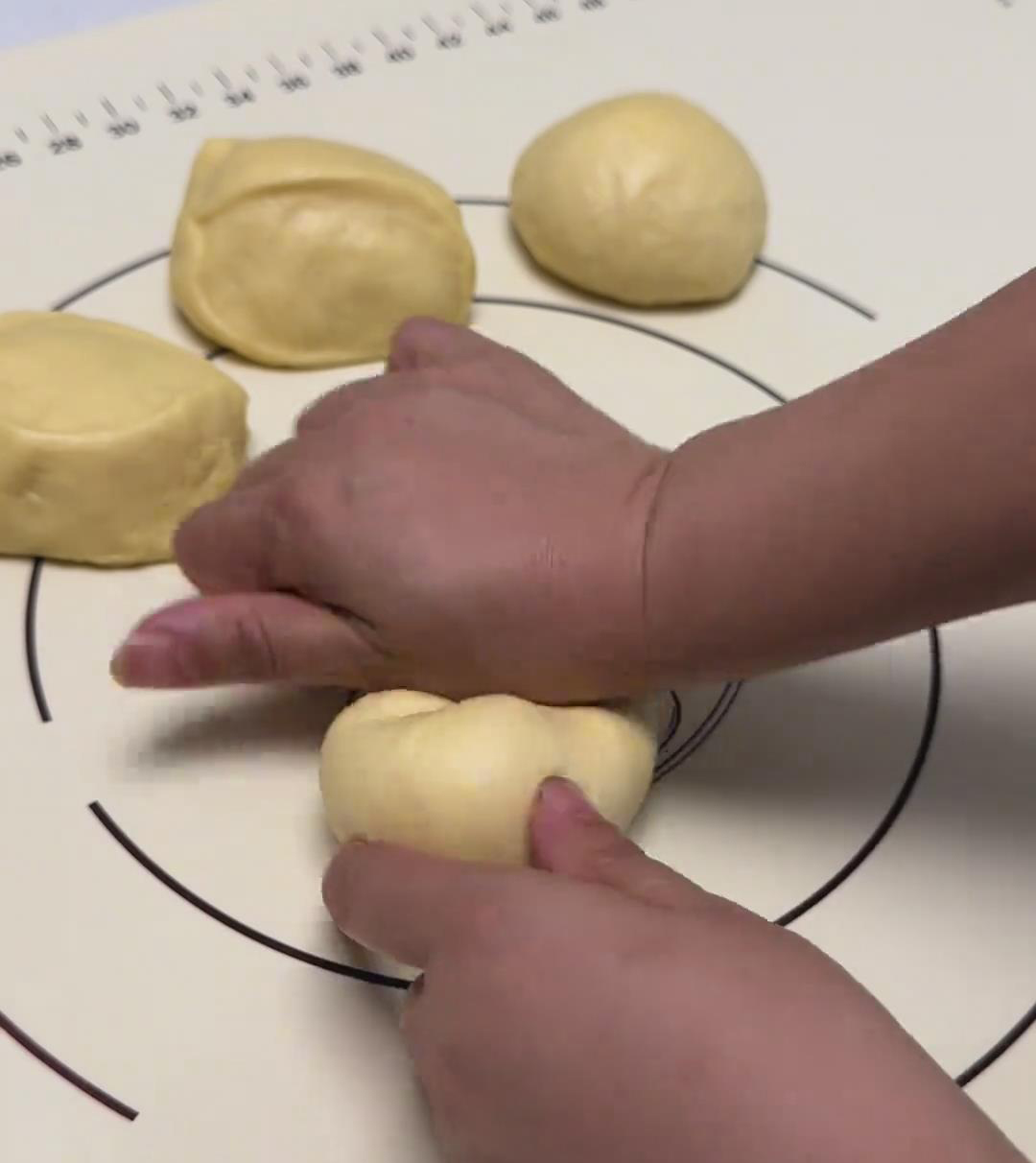
Divide it into four equal portions (around 150 g each) and shape them into smooth balls. Cover and let rest for 10 minutes to relax the gluten — this helps with shaping later.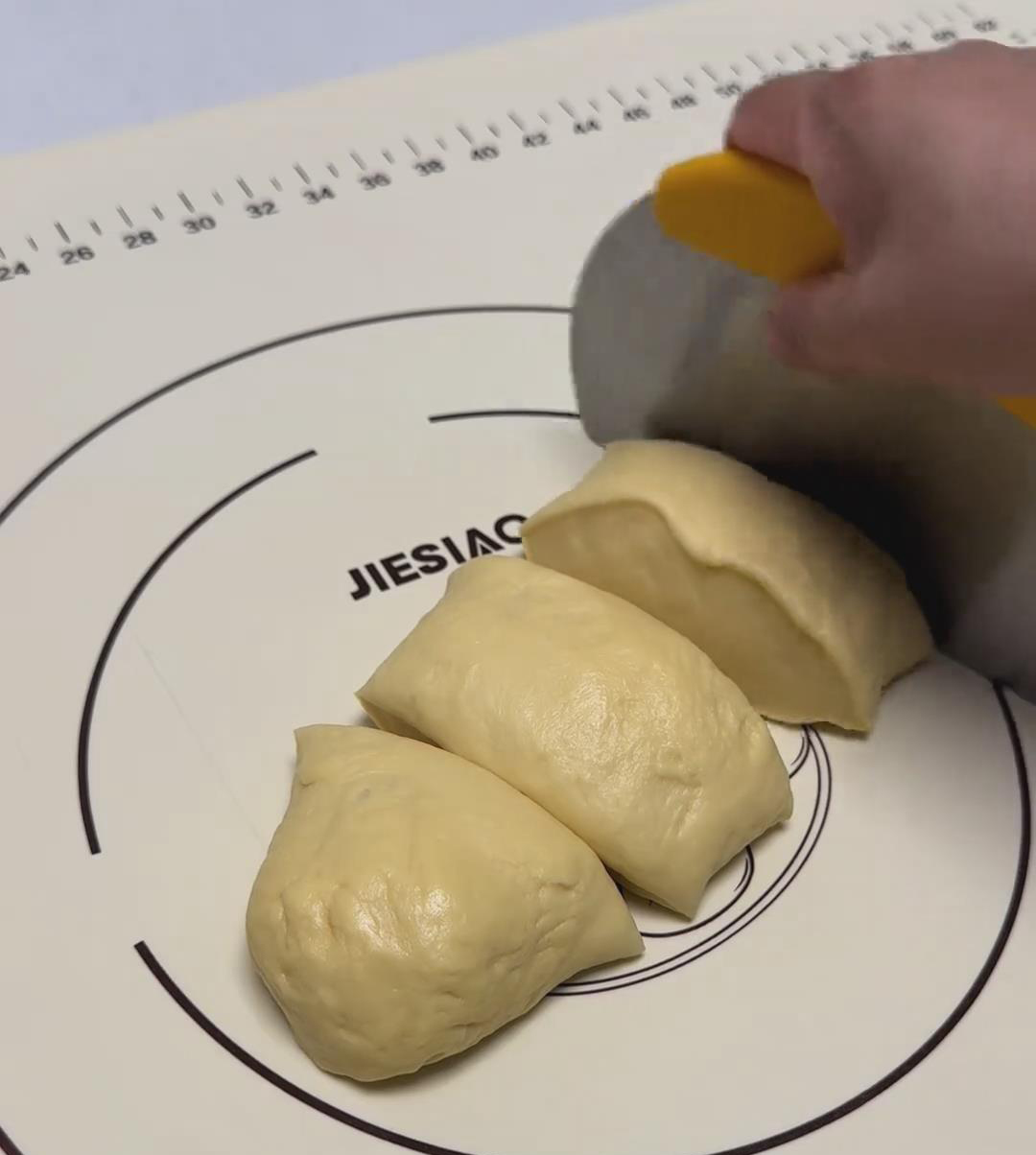
Step 4. Shape and Decorate
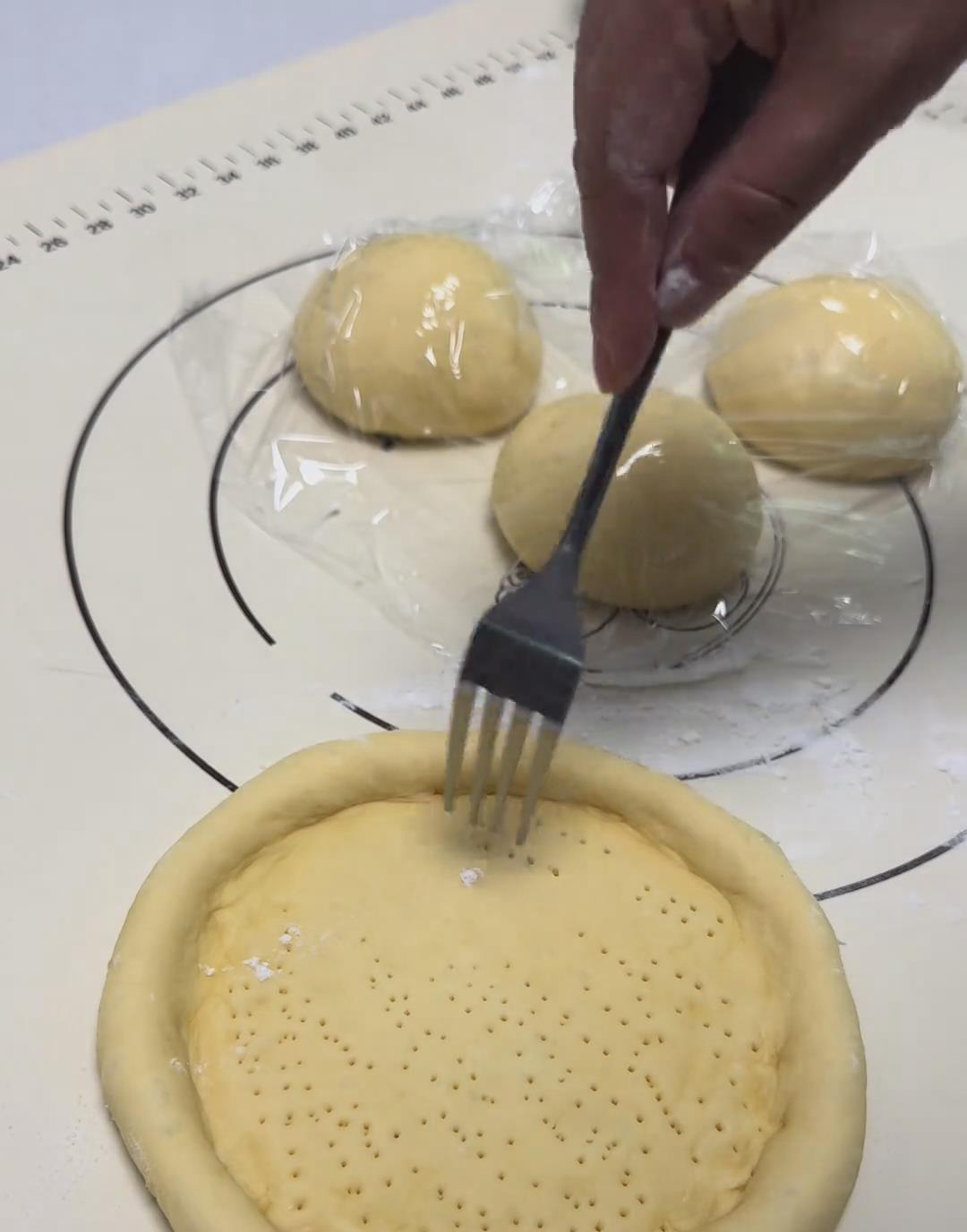
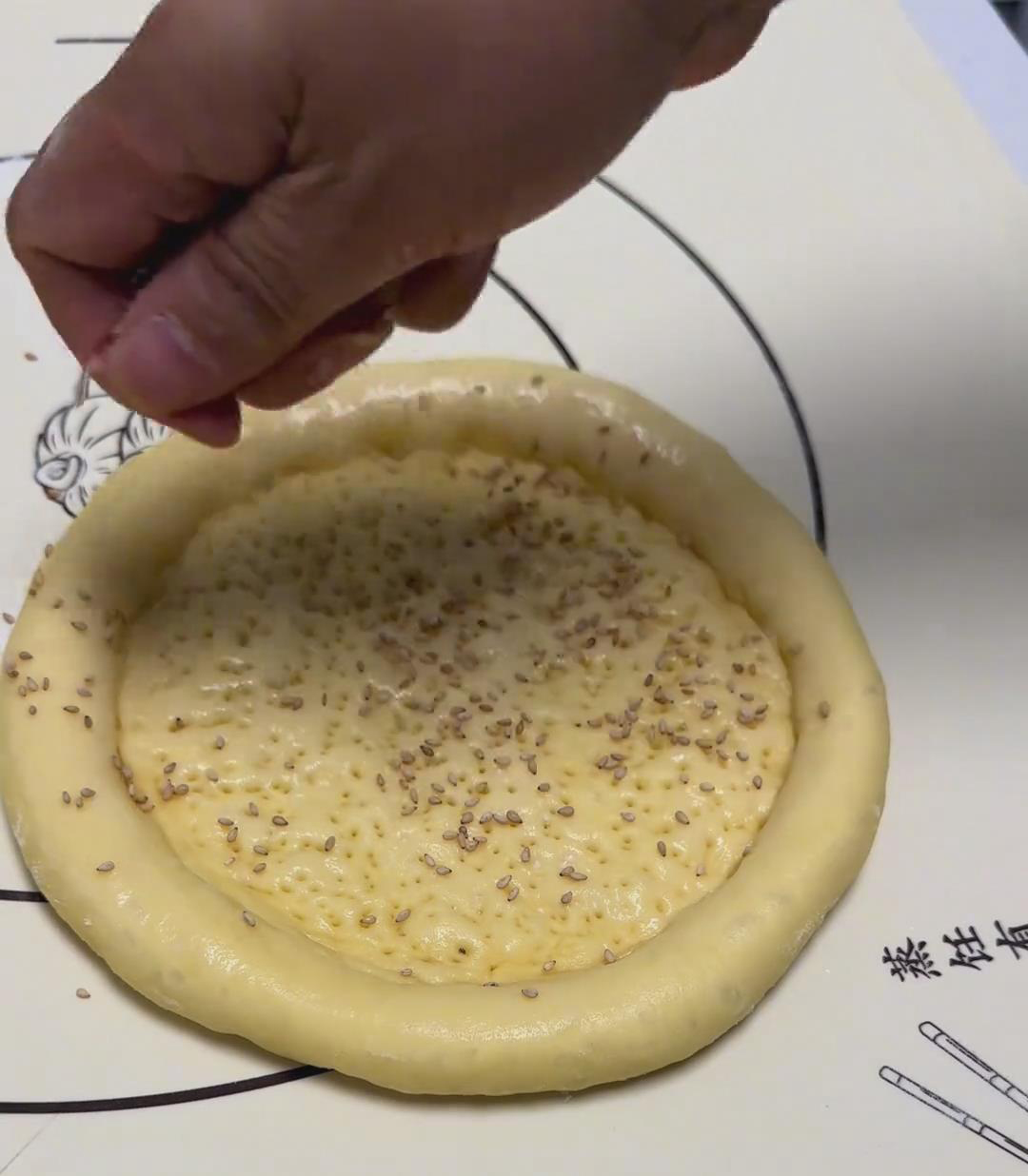
Flatten one dough ball into a round disc with your palm — thinner in the center and thicker around the edges (similar to a shallow bowl). Use a fork to prick holes evenly across the surface to prevent puffing during baking. Brush milk evenly on top and sprinkle generously with sesame seeds. Lightly press to help them adhere.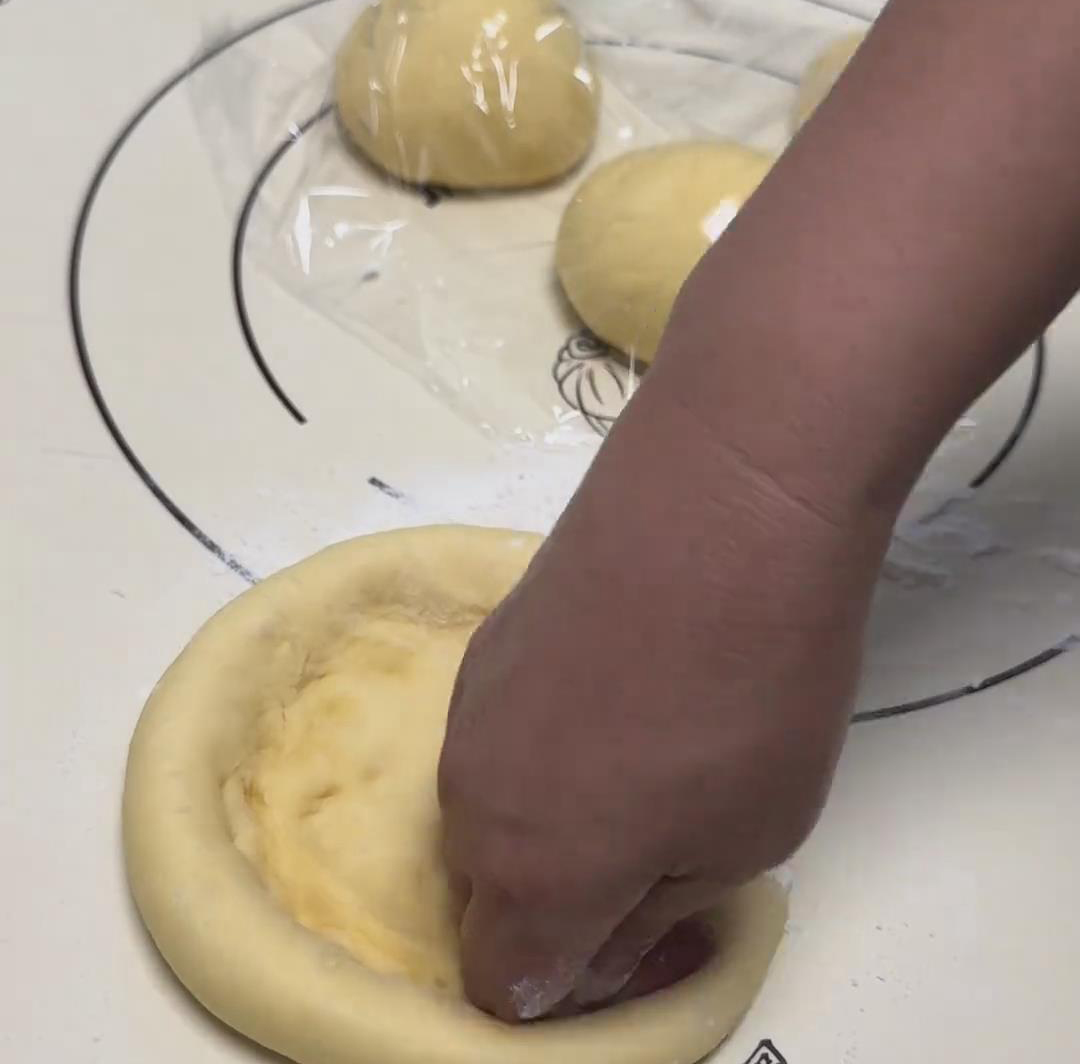
Step 5. Bake to Golden Perfection
Preheat your oven to 220°C (428°F) for about 10 minutes. This ensures a crisp crust. Place the naan on the middle rack and bake for 12–15 minutes, or until golden brown and fragrant.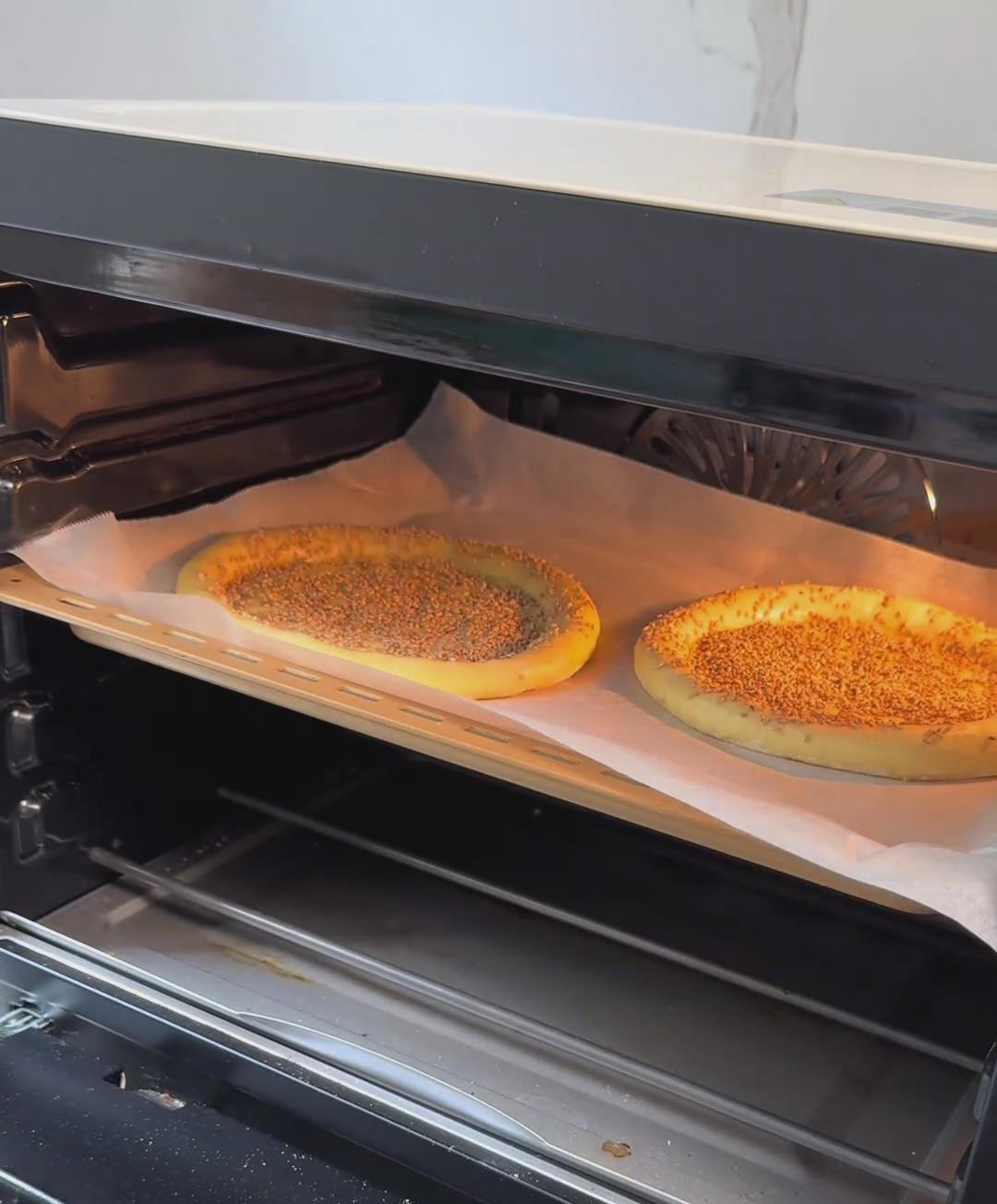
If it colors too fast, cover lightly with foil. Once baked, let it cool briefly before serving. The texture should be perfectly crisp outside and soft inside.
Tips & Tricks
- Check your yeast – Dissolve it in warm (not hot) water; if it foams, it’s active and ready to use.
- Mind the temperature – Fermenting above 35°C can cause sourness and an overproofed dough.
- Rest your dough – Never skip the resting stage; it helps achieve that soft, pliable texture.
- Even holes = even baking – Poking holes about 1 cm apart prevents ballooning.
- Perfect baking temperature – 220°C is ideal for a crisp crust. Too low makes it soft; too high burns it.
Variations and Serving Ideas
- Savory Naan: Add cumin or pepper salt into the dough for a fragrant, spiced version.
- Sweet Naan: Add 10–15 g sugar and reduce the salt slightly for a dessert-style bread.
- No Oven? Cook on a skillet instead! Lightly oil the pan, cover, and cook on low for 5 minutes per side, then uncover and crisp the surface for 1 minute.
Storage
Keep your Uyghur naan in an airtight bag at room temperature for 2–3 days or refrigerate for up to a week. Reheat in a skillet or oven until warm and crisp. Avoid humidity, which softens the crust.
Frequently Asked Questions
Why did my naan turn hard?
It may be due to underproofing or skipping the resting step. Ensure proper fermentation and dough relaxation.
Can I freeze Uyghur naan?
Yes. Once baked, cool completely, then freeze in airtight bags for up to 1 month. Reheat in the oven or air fryer before serving.
Can I make this recipe without milk?
Yes, replace milk with warm water, but the texture will be slightly less soft and aromatic.

Baked Uyghur Flatbread – Authentic Xinjiang Recipe You Must Try
Ingredients
Naan Dough
- 300 g Xinjiang flour or bread flour
- 170 g total liquid 1 beaten egg + whole milk, mixed
- 3 g yeast
- 40 g corn oil or other neutral vegetable oil
- 2 g salt
Topping
- White sesame seeds to taste
- A small amount of milk for brushing
Instructions
Step 1. Mix and Knead the Dough
- Beat the egg and mix it with milk to a total weight of about 170 g. Add the yeast and stir until it's partially dissolved. Add flour to the mixture and stir with chopsticks until no dry flour remains. Add salt and corn oil, then knead until smooth, elastic, and non-sticky. Adjust with a bit more milk or flour if needed to achieve a soft dough.
Step 2. First Rise (Fermentation)
- Cover the dough (with plastic wrap) and let it rest in a warm place until doubled in size. At 25°C, this takes about 1 to 1.5 hours. Properly risen dough should feel airy and look honeycombed inside.
Step 3. Divide and Rest
- Place the fermented dough on a clean work surface. Press down firmly with the palm of your hand to degas the dough, removing the large air bubbles inside.
- Divide it into four equal portions (around 150 g each) and shape them into smooth balls. Cover and let rest for 10 minutes to relax the gluten — this helps with shaping later.
Step 4. Shape and Decorate
- Flatten one dough ball into a round disc with your palm — thinner in the center and thicker around the edges (similar to a shallow bowl). Use a fork to prick holes evenly across the surface to prevent puffing during baking. Brush milk evenly on top and sprinkle generously with sesame seeds. Lightly press to help them adhere.
Step 5. Bake to Golden Perfection
- Preheat your oven to 220°C (428°F) for about 10 minutes. This ensures a crisp crust. Place the naan on the middle rack and bake for 12–15 minutes, or until golden brown and fragrant.
- If it colors too fast, cover lightly with foil. Once baked, let it cool briefly before serving. The texture should be perfectly crisp outside and soft inside.
Nutrition


Leave a Reply