
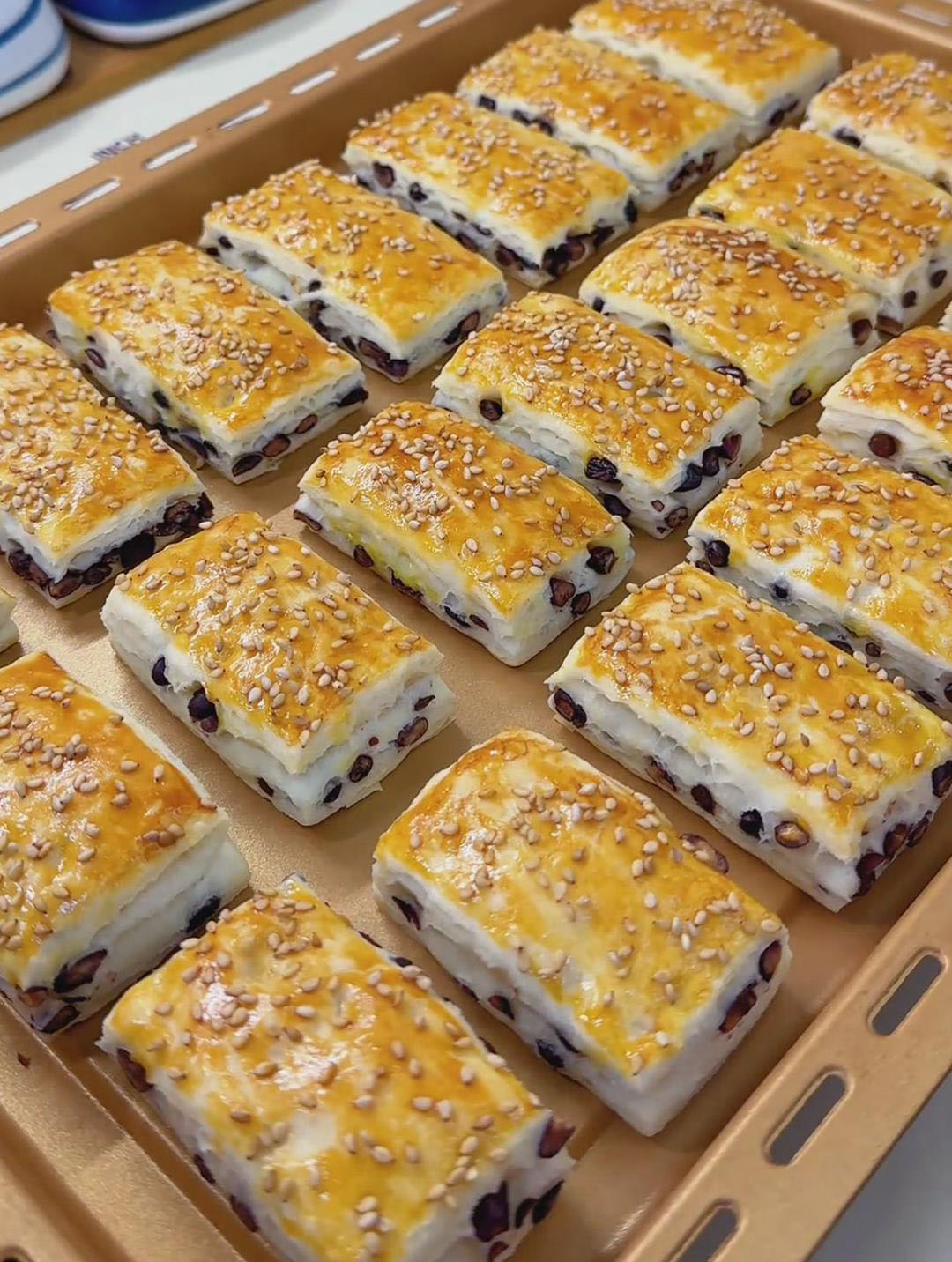
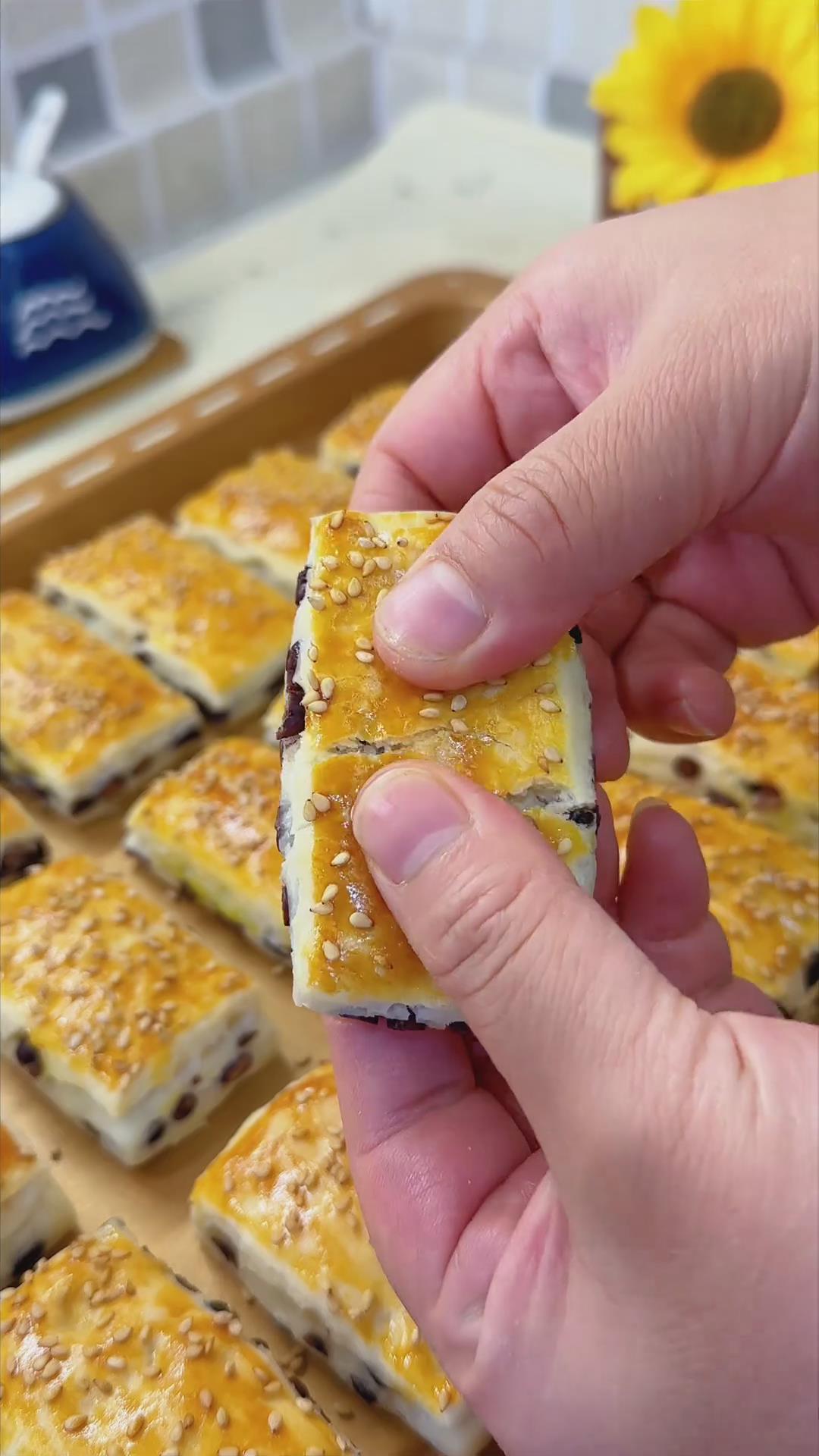
This homemade red bean pastry features delicate, flaky layers made with a traditional water dough and oil dough method. Filled with sweet red beans and baked until golden and crisp, it’s easier than it looks and perfect for home baking.
To be honest, this recipe looks like it has a lot of steps, but if you simply follow along, it’s actually very easy to make.
Once you get into the rhythm, the process is straightforward and quite satisfying.
What is an oil dough (oil paste)?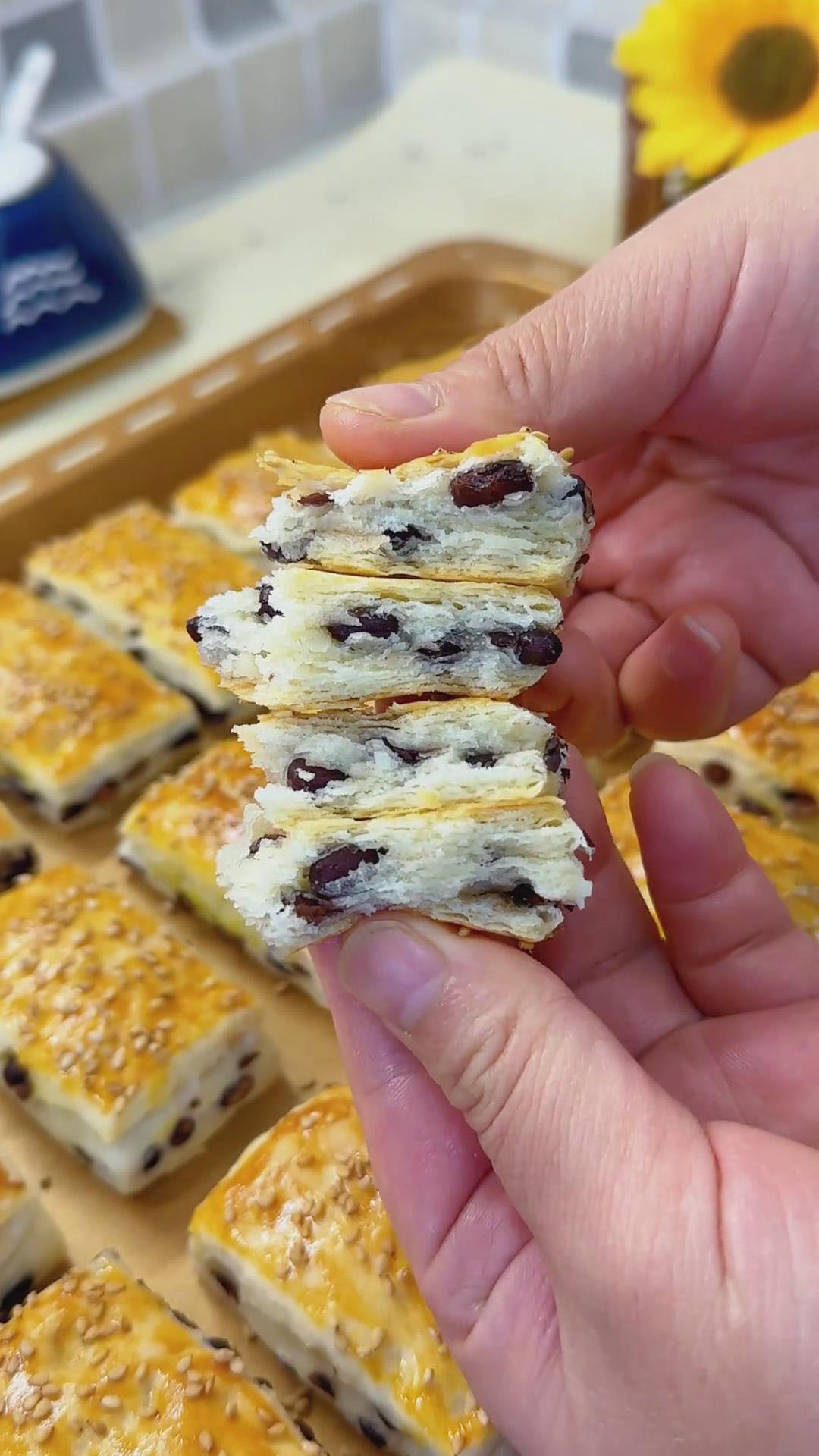
The oil dough is one of the two doughs used in this recipe, and it’s the key to creating those flaky, crumbly layers in the pastry.
Unlike the (water) dough, which is kneaded with warm water, the oil dough is made by mixing flour directly with cooking oil — no water at all.
Because there’s no water involved, this dough stays soft and smooth and doesn’t develop much gluten.
When it’s paired with the water dough and rolled and folded a few times, it creates distinct layers that bake up crisp, flaky, and beautifully laminated.
This is truly the secret behind that “bite-and-it-crumbles” texture in this pastry.
I use this same oil dough technique in several other recipes as well, such as:
Filling substitutions
I use sweet red beans in this recipe, but you can absolutely substitute them with classic red bean paste if that’s what you have on hand.
Both work well and deliver that familiar, comforting red bean flavor.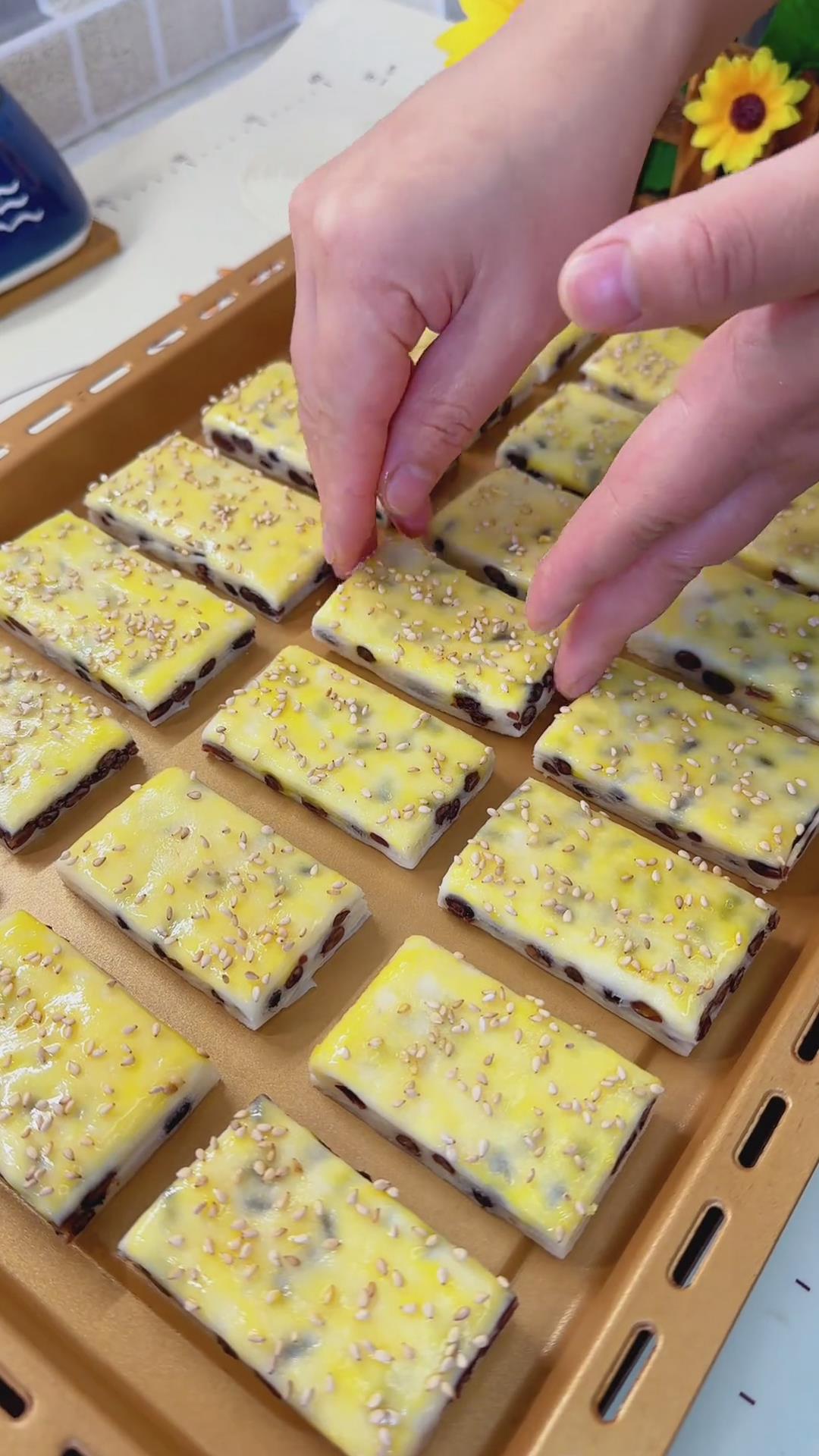
Why you‘ll love this recipe
- This red bean pastry has clear, visible flaky layers thanks to a well-balanced water dough and oil paste.
- The dough is yeasted but beginner-friendly, producing a soft interior without being dense.
- Sweet red beans add just the right amount of natural sweetness without being cloying.
- The lamination process is simple and controlled, making it approachable even if you’re new to flaky pastries.
- Baked at a gentle temperature, the pastry turns golden and crisp outside while staying tender inside.
Ingredients and substitutions
(Water) Dough (Flaky Base)
- All-purpose flour – I recommend medium-gluten flour here. It provides enough structure for rolling and folding while still allowing the pastry to puff and separate into layers.
- Sugar – This small amount balances the flavor and helps encourage yeast activity. I don’t recommend omitting it.
- Baking powder – This gently supports the yeast by adding lightness to the crust. If you don’t have it, it can be left out without affecting the overall structure.
- Yeast – This is essential for fermentation and softness. Activating it with warm water around 30°C helps ensure a well-risen, tender pastry.
- Warm water – Warm (not hot) water keeps the yeast active. I always adjust slightly depending on how absorbent the flour is to avoid a dough that’s too dry or too wet.
- Corn oil / Butter – Oil keeps the dough moist and pliable. Butter adds aroma and richness. If butter isn’t available, equal amounts of neutral oil work perfectly.
Oil Paste (Lamination Core)
- All-purpose flour – Using the same type of flour as the water dough keeps the layers even and consistent.
- Corn oil – A neutral oil is key here. I recommend corn oil because it blends smoothly and helps form distinct layers. Butter is not suitable for this step, as it can harden and clump during rolling.
Filling & Topping
- Sweet red beans – I like using ready-to-eat sweet red beans with low moisture so the pastry doesn’t tear. Homemade red bean paste or lightly sweetened cooked red beans work as well.
- Egg yolk – Brushing the surface gives the pastry a glossy, golden finish. Whole egg can be used if needed.
- White sesame seeds – These add aroma and a subtle nutty crunch. Black sesame seeds are a great alternative.
How to make Red Bean Pastry
Make the water dough
In a large bowl, add the flour, sugar, baking powder, and yeast. Pour in the warm water and stir with chopsticks until the mixture forms evenly hydrated shaggy crumbs with no dry flour remaining.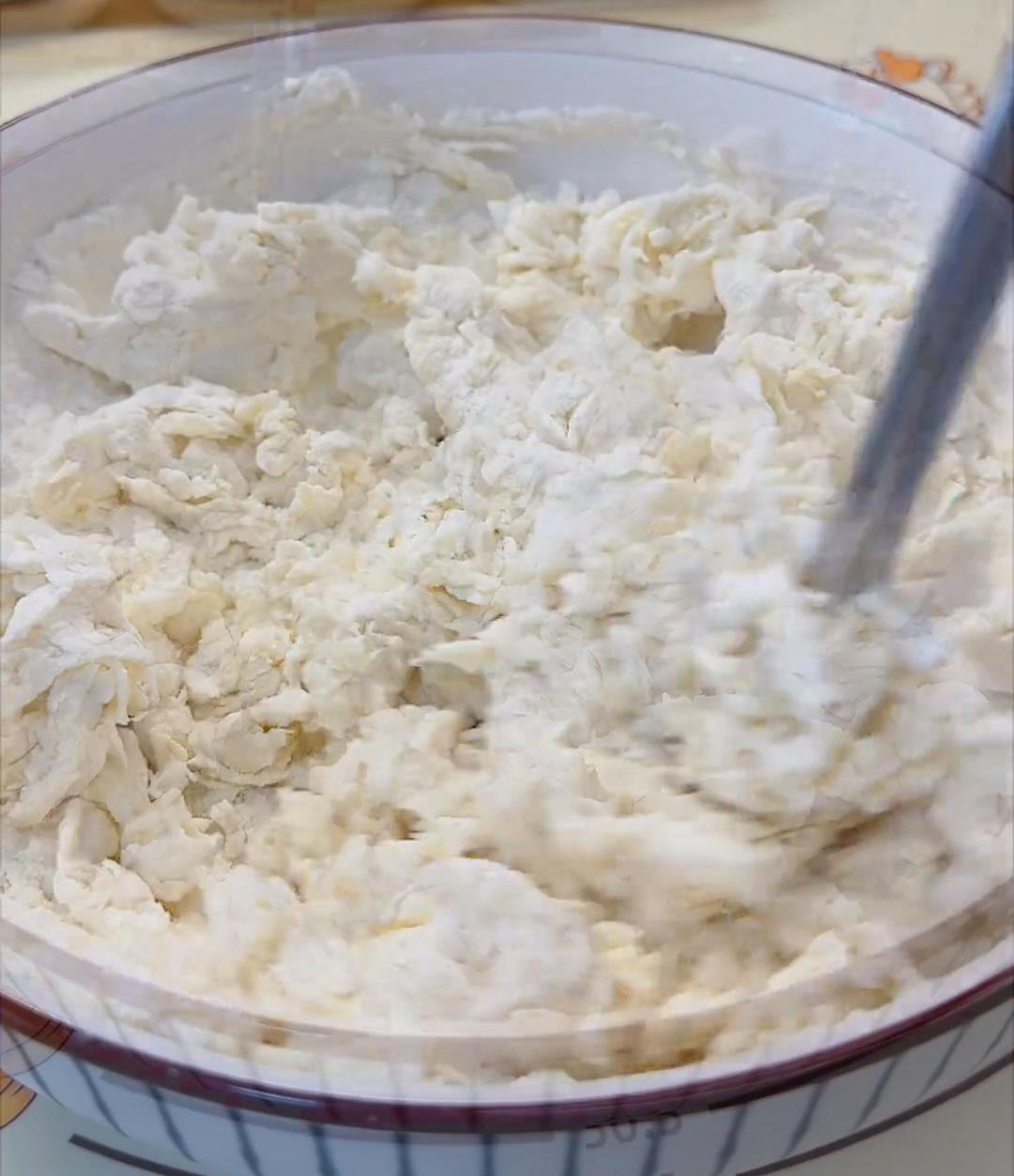
Add the corn oil or butter and knead by hand until the dough becomes smooth, elastic, and no longer sticks to your hands or the bowl. This takes about 10 minutes.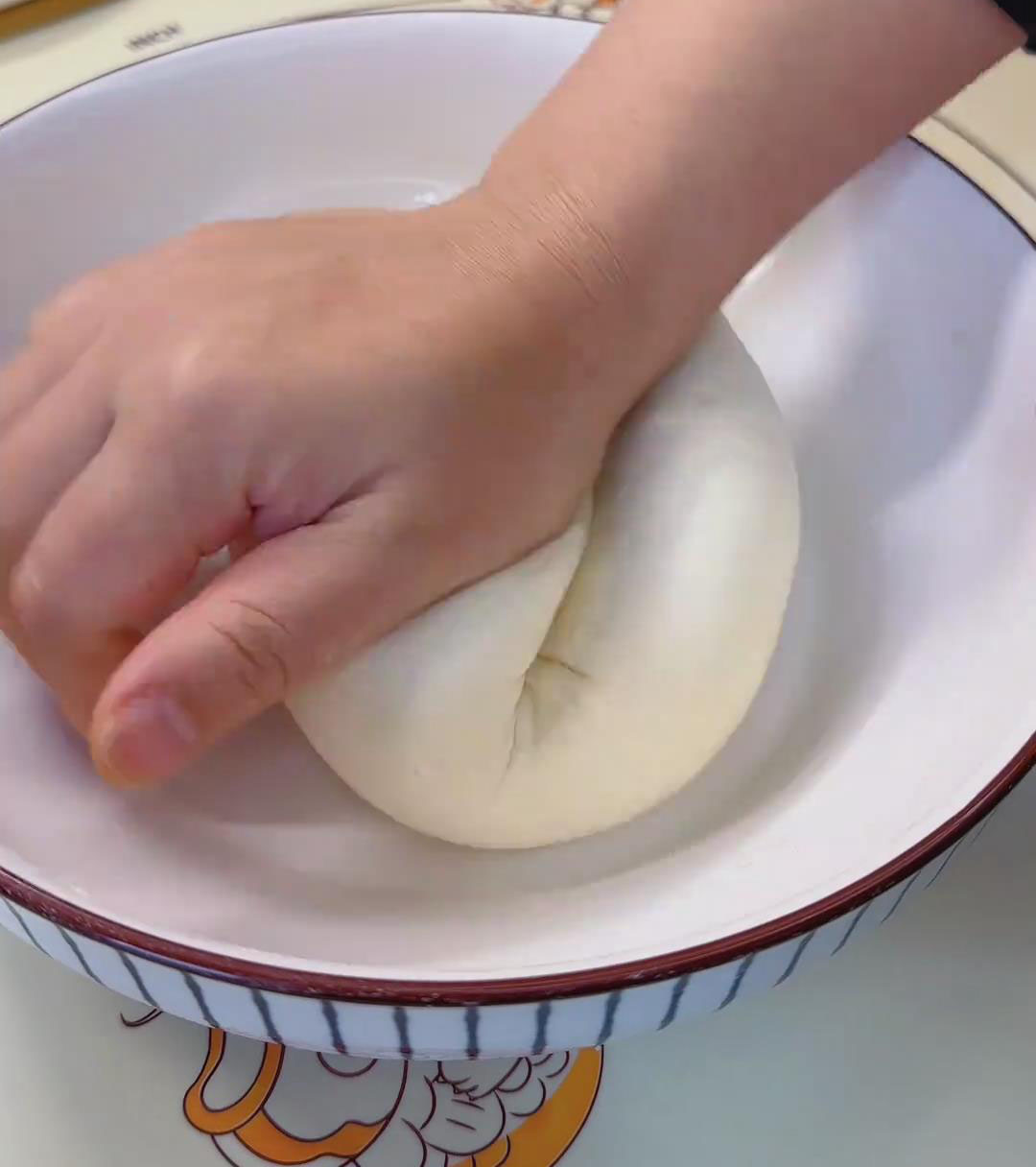
Cover the dough with plastic wrap or a damp cloth and let it rest for 10 minutes to relax the gluten.
Make the oil paste
In a separate bowl, combine the flour and corn oil.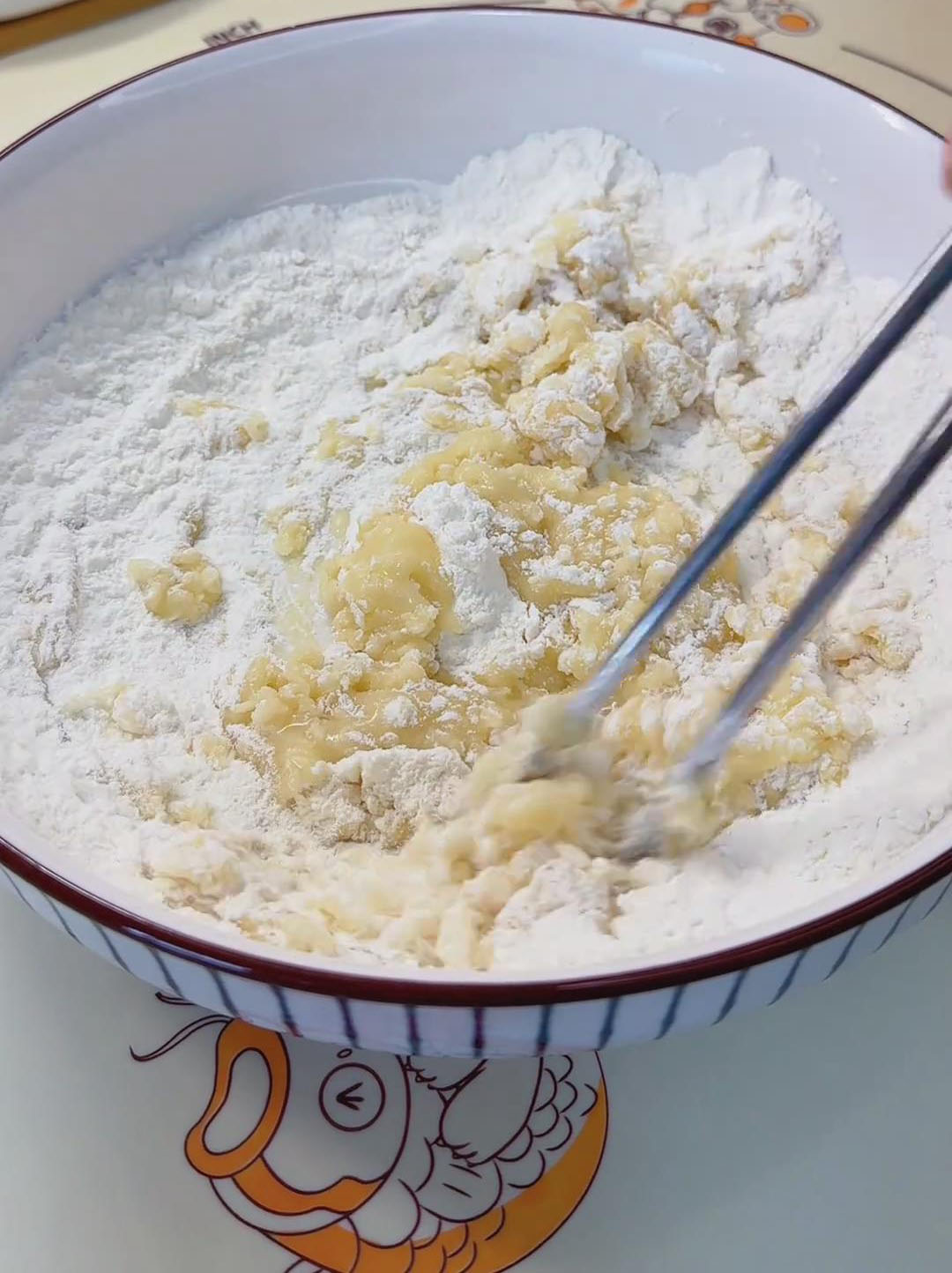
Mix thoroughly until the flour fully absorbs the oil, then knead lightly until a smooth, non-sticky oil dough forms. This dough does not need to rest and can be used immediately.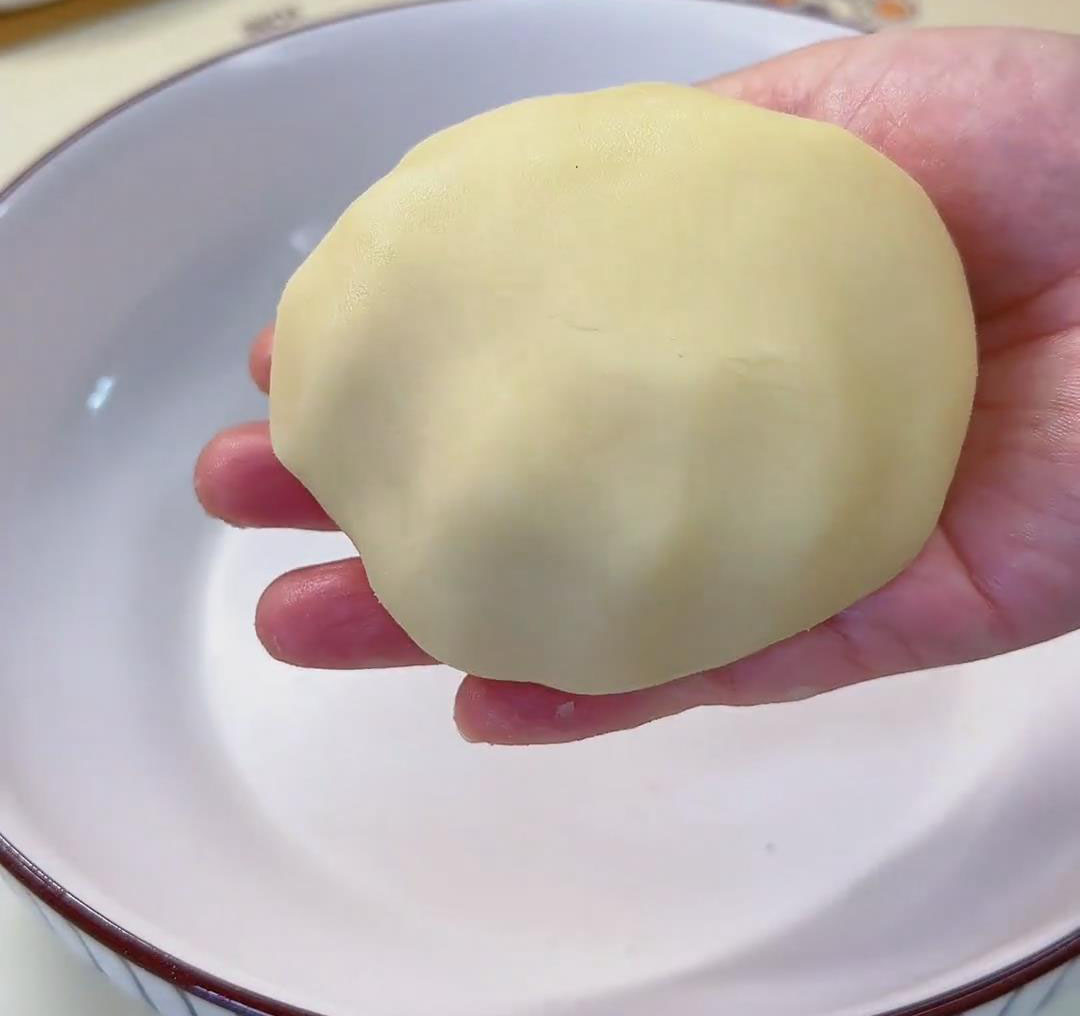
Lamination (creating the flaky layers)
Place the rested water dough on a lightly floured surface and press it into a round disc about 20 cm in diameter.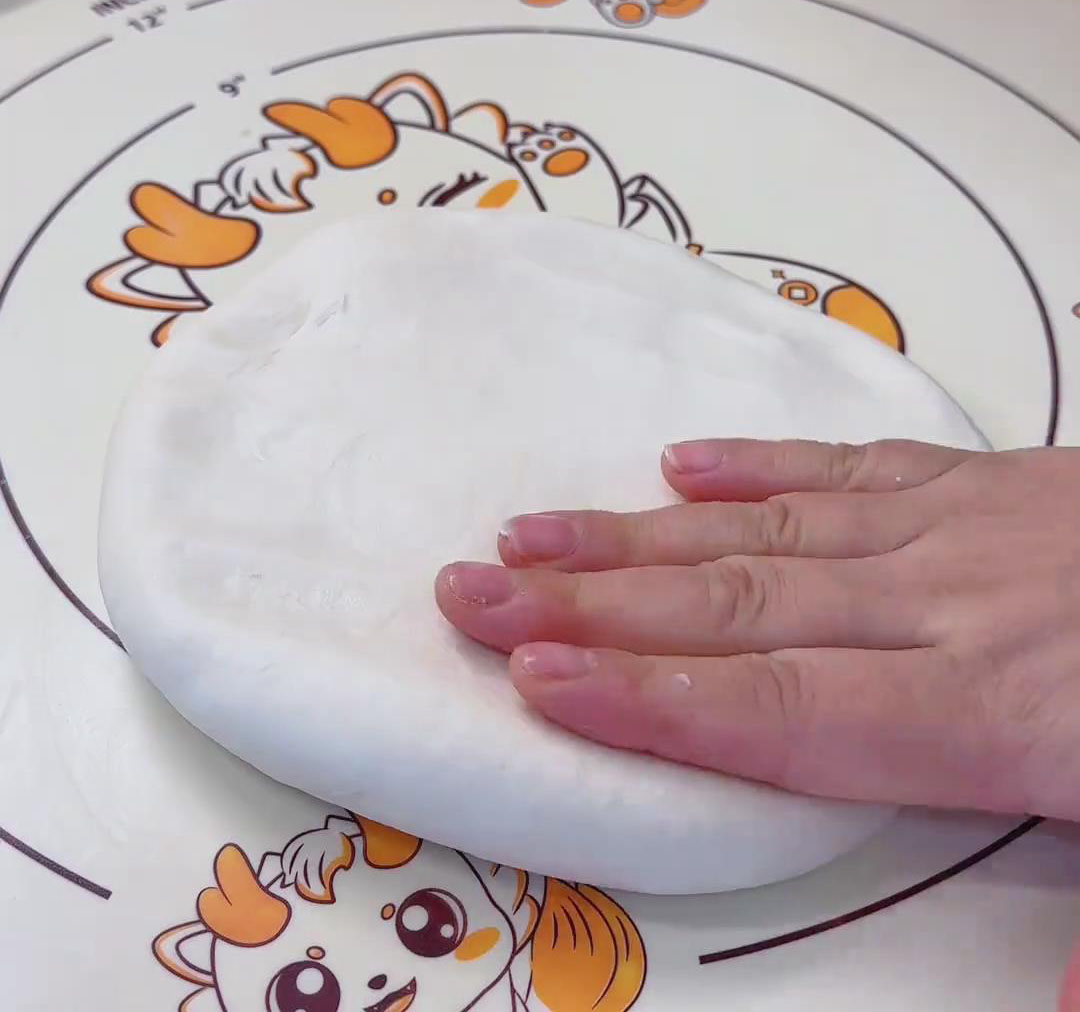
Place the oil paste in the center of the water dough.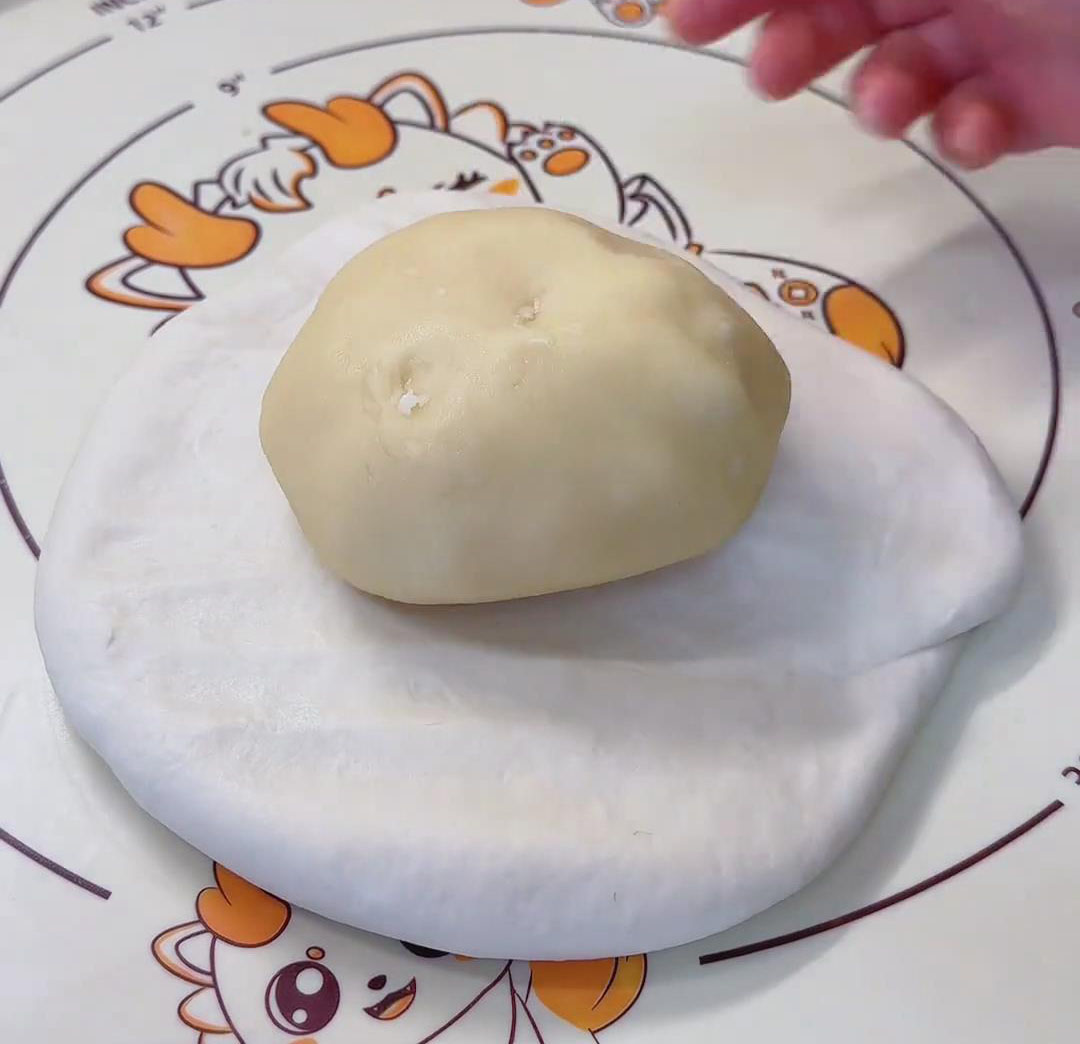
Wrap the dough around it completely and pinch the seams tightly so the oil paste is fully sealed inside.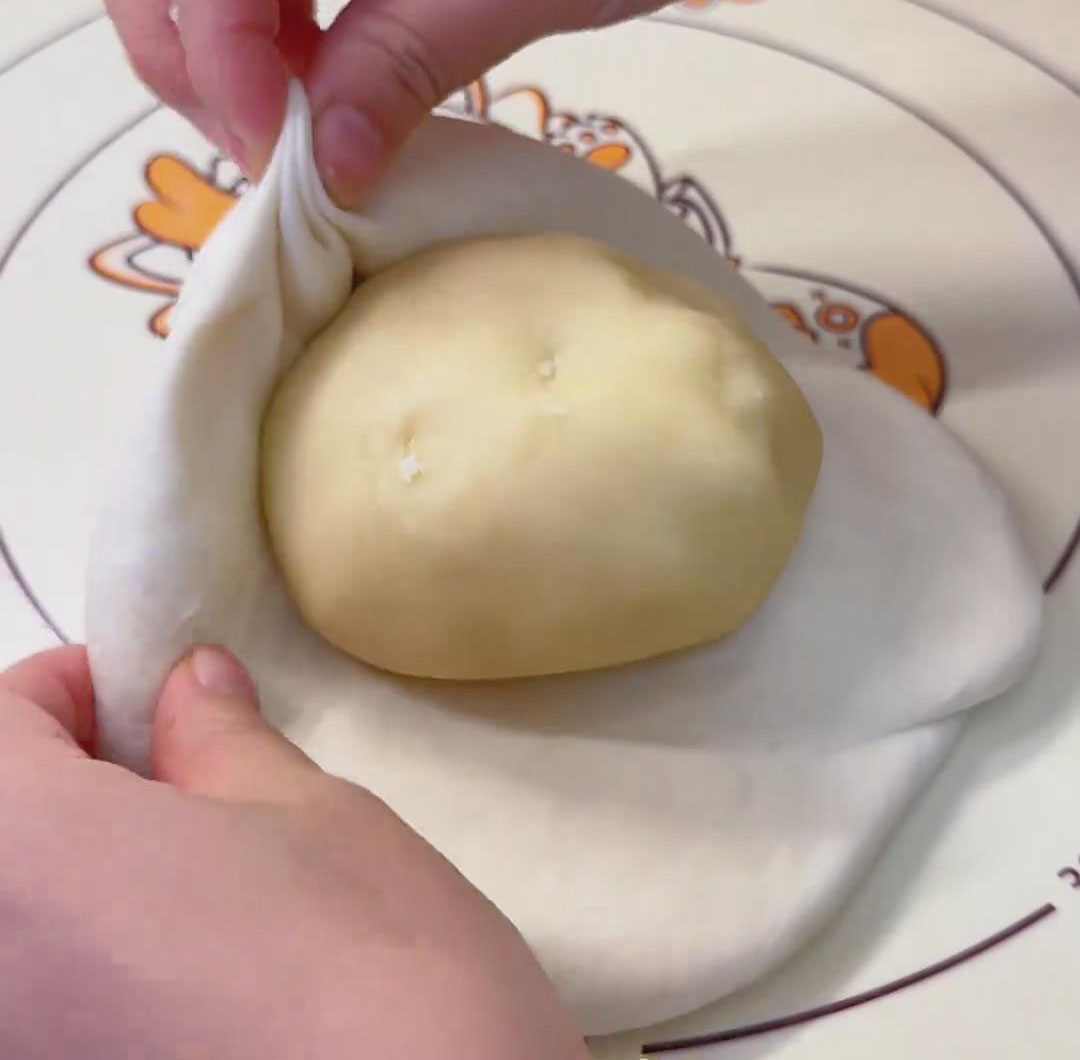
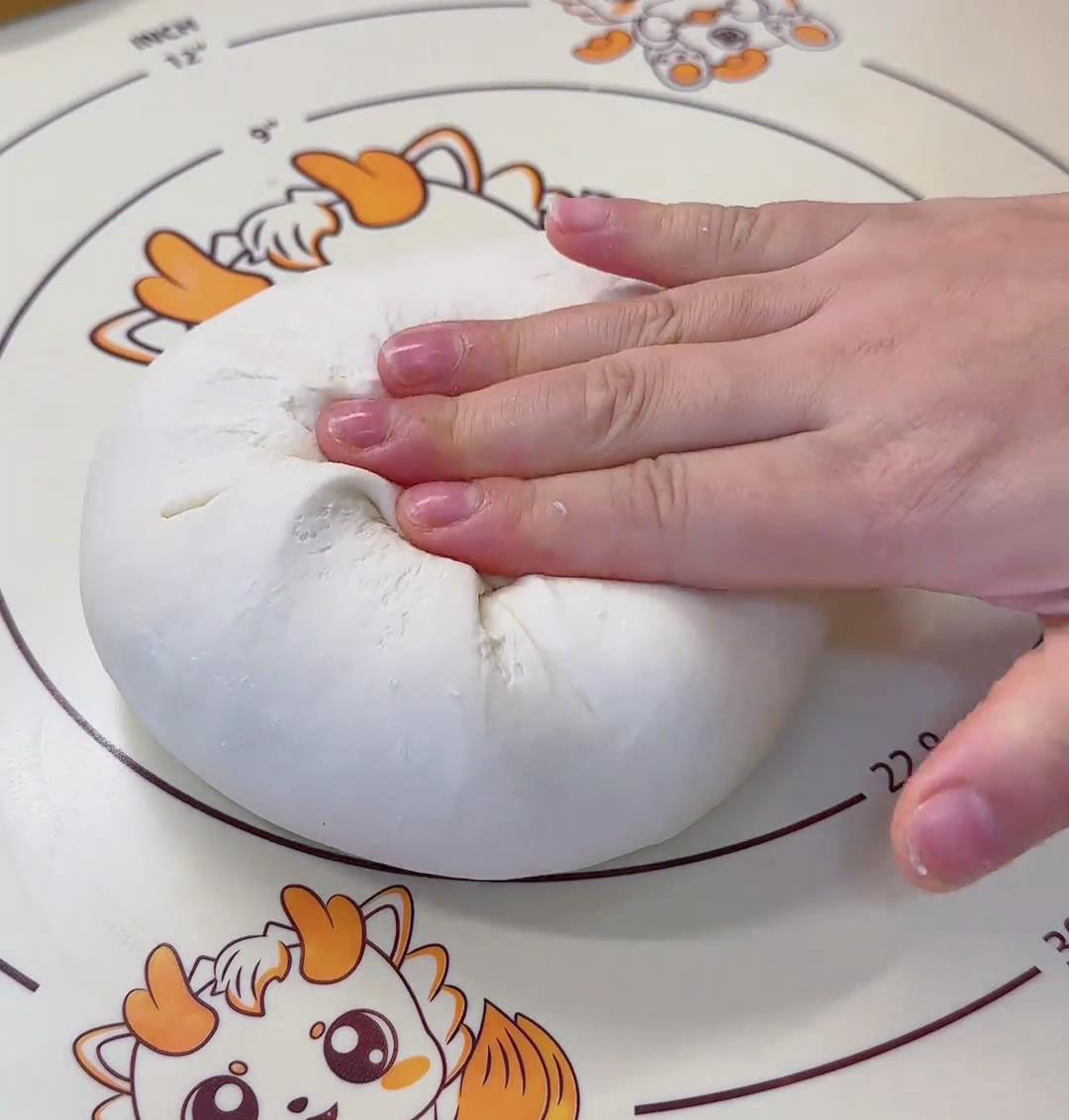
Roll the dough into a rectangular sheet about 0.3 cm thick, keeping the thickness as even as possible.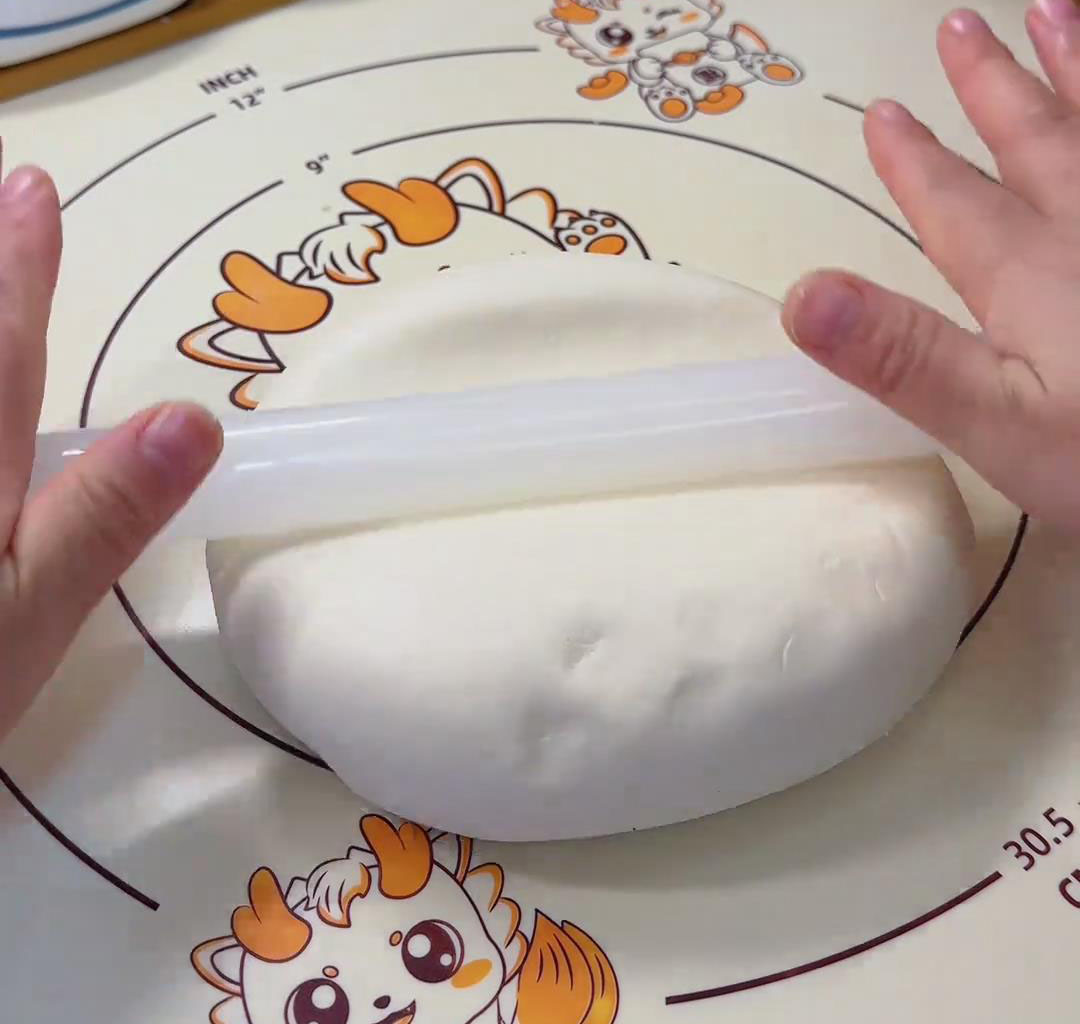
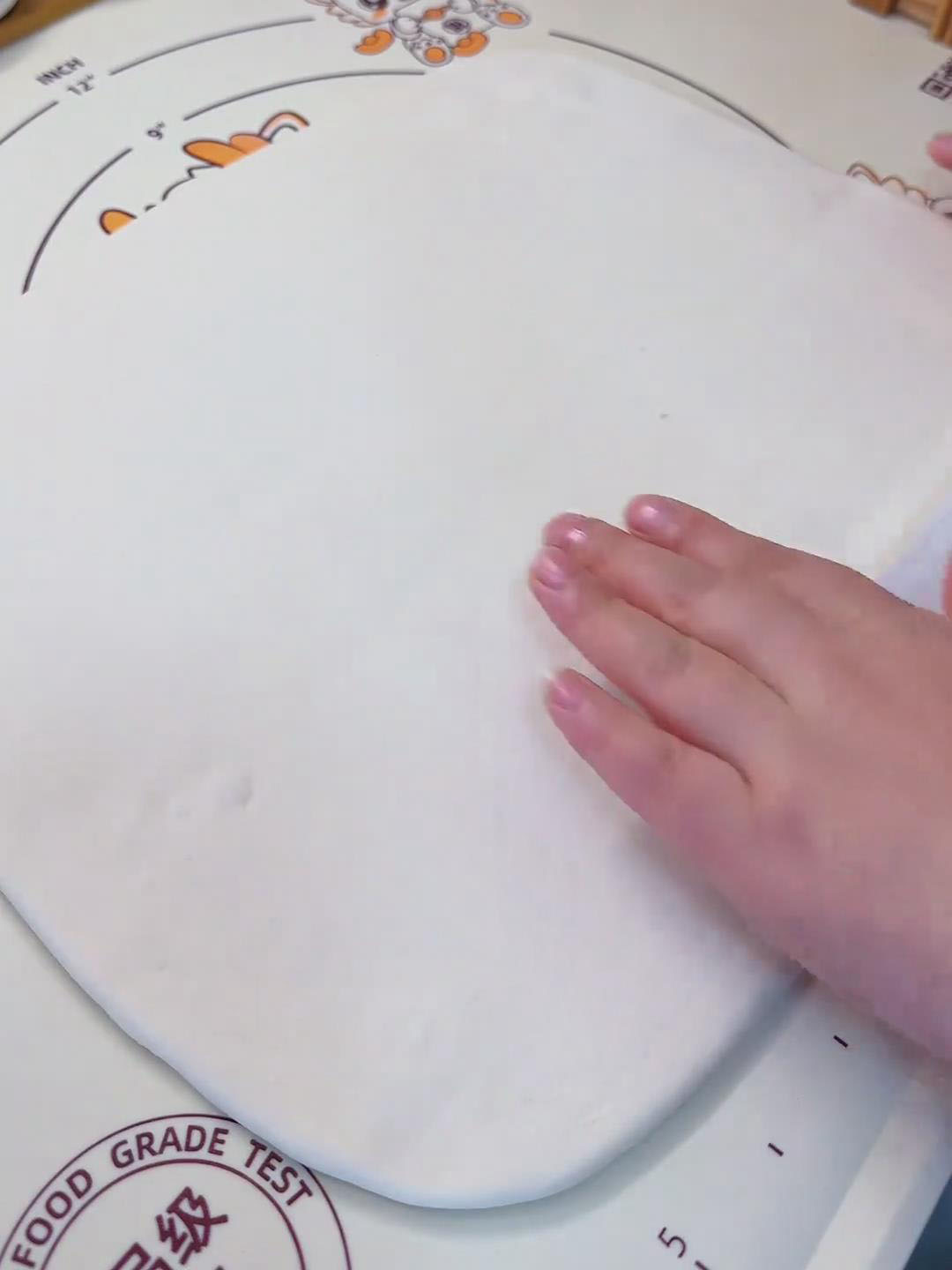
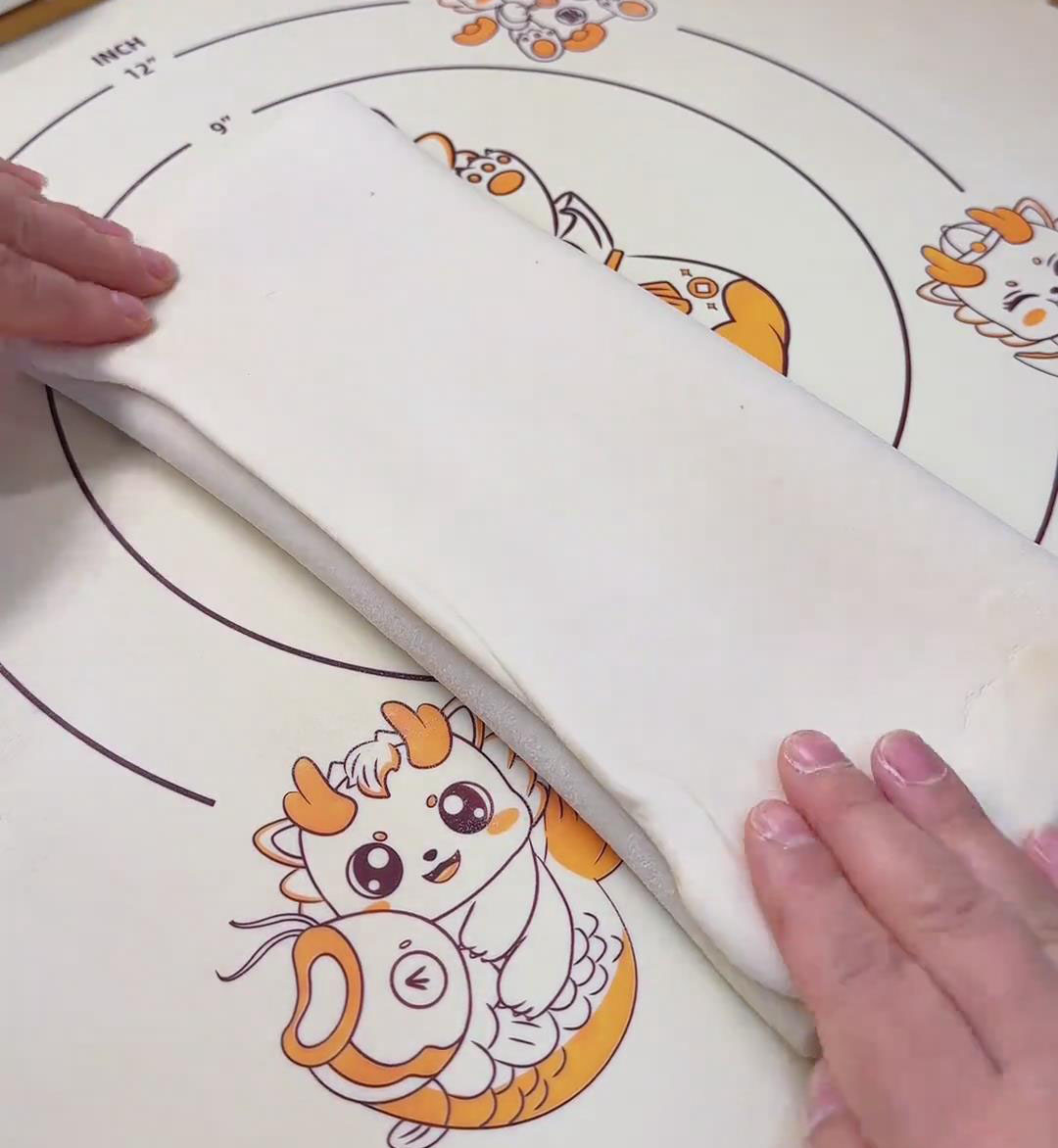
Fold both short ends toward the center and press gently to seal.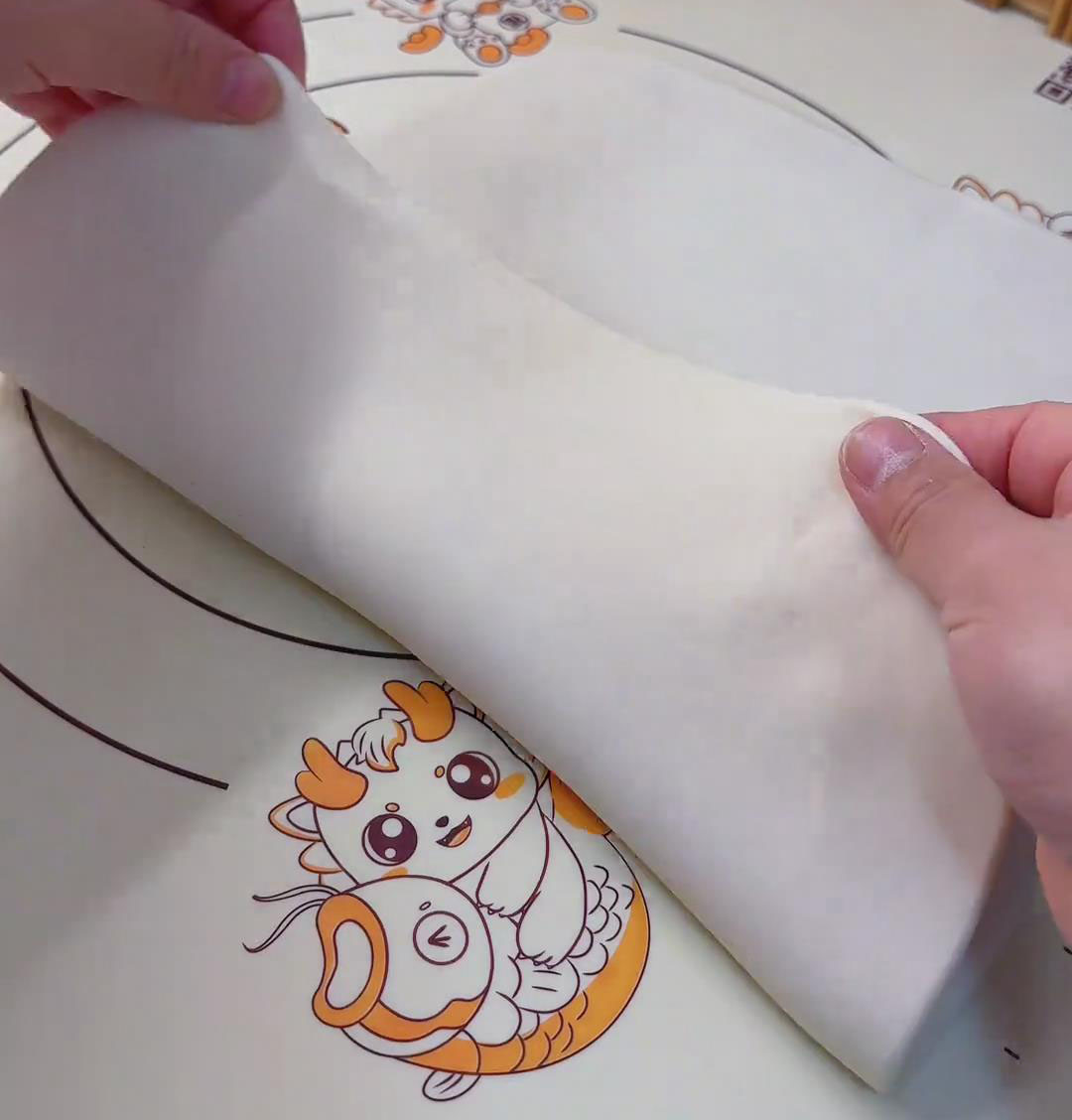
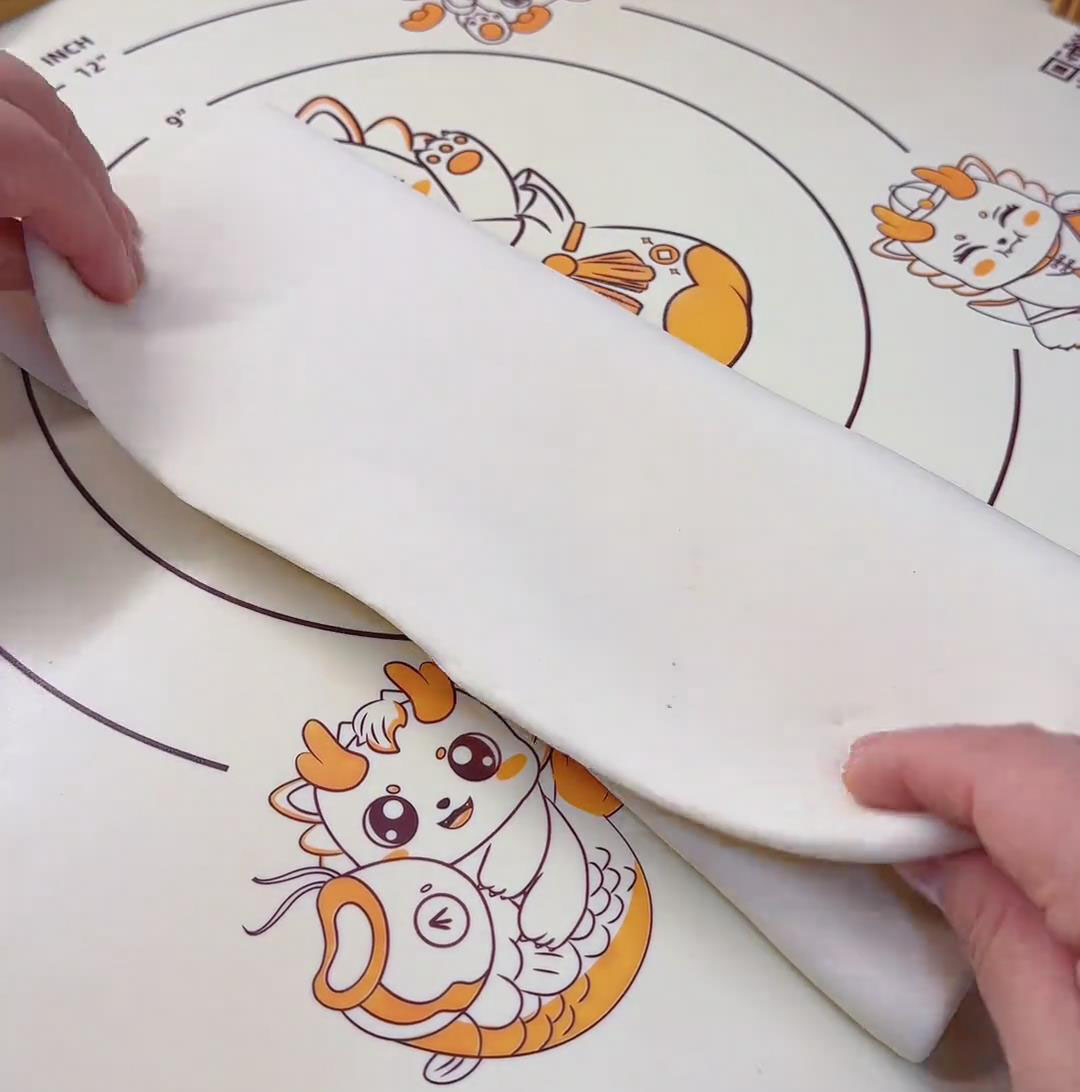
Roll the dough out again into a rectangle and repeat the fold one more time. This completes the lamination. Avoid over-folding, as too many layers can cause them to stick together.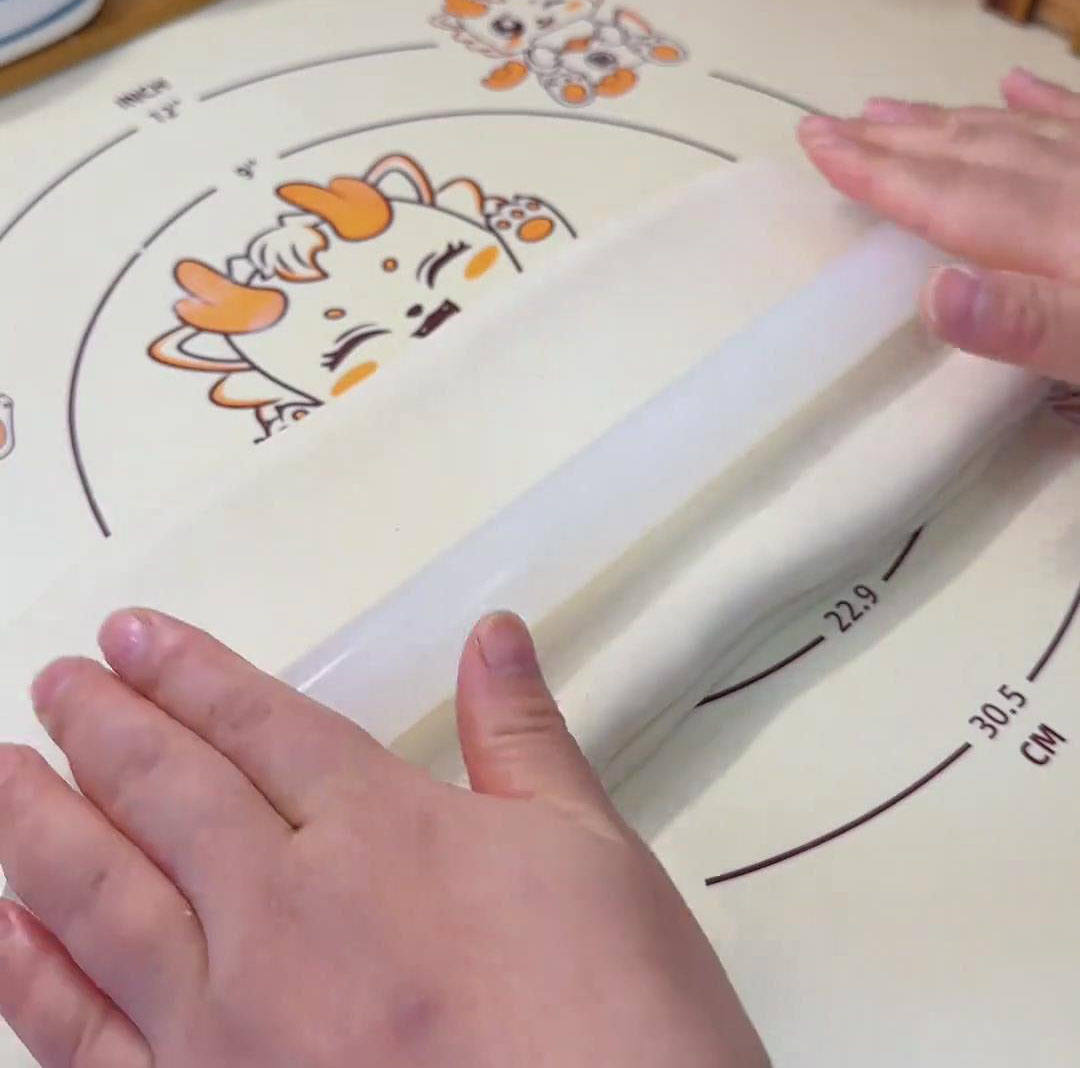
Fill and shape
Roll the laminated dough into a large, even sheet. Sprinkle sweet red beans evenly over two-thirds of the surface, keeping the edges clear.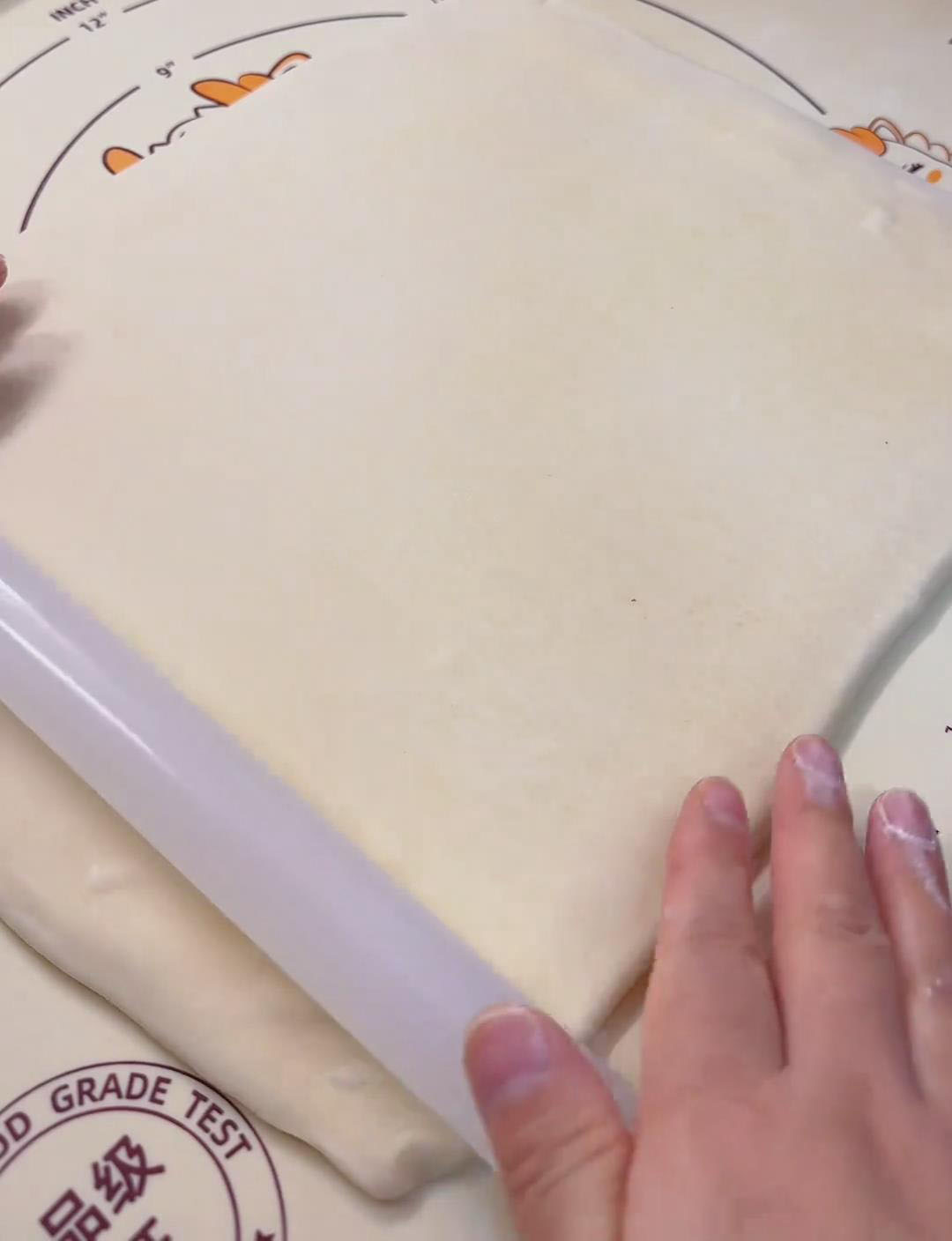
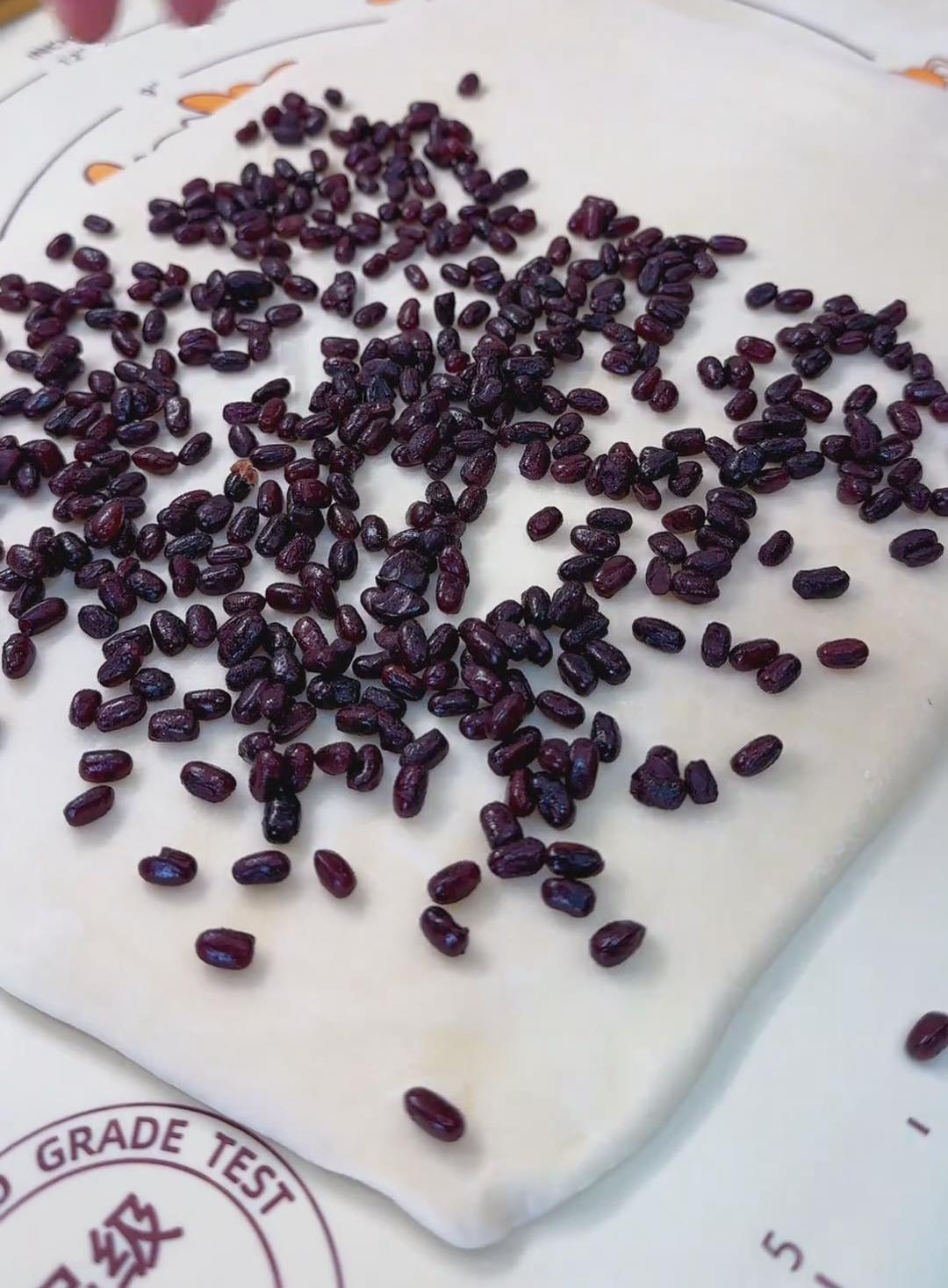 Fold the unfilled third over the red bean layer and press gently.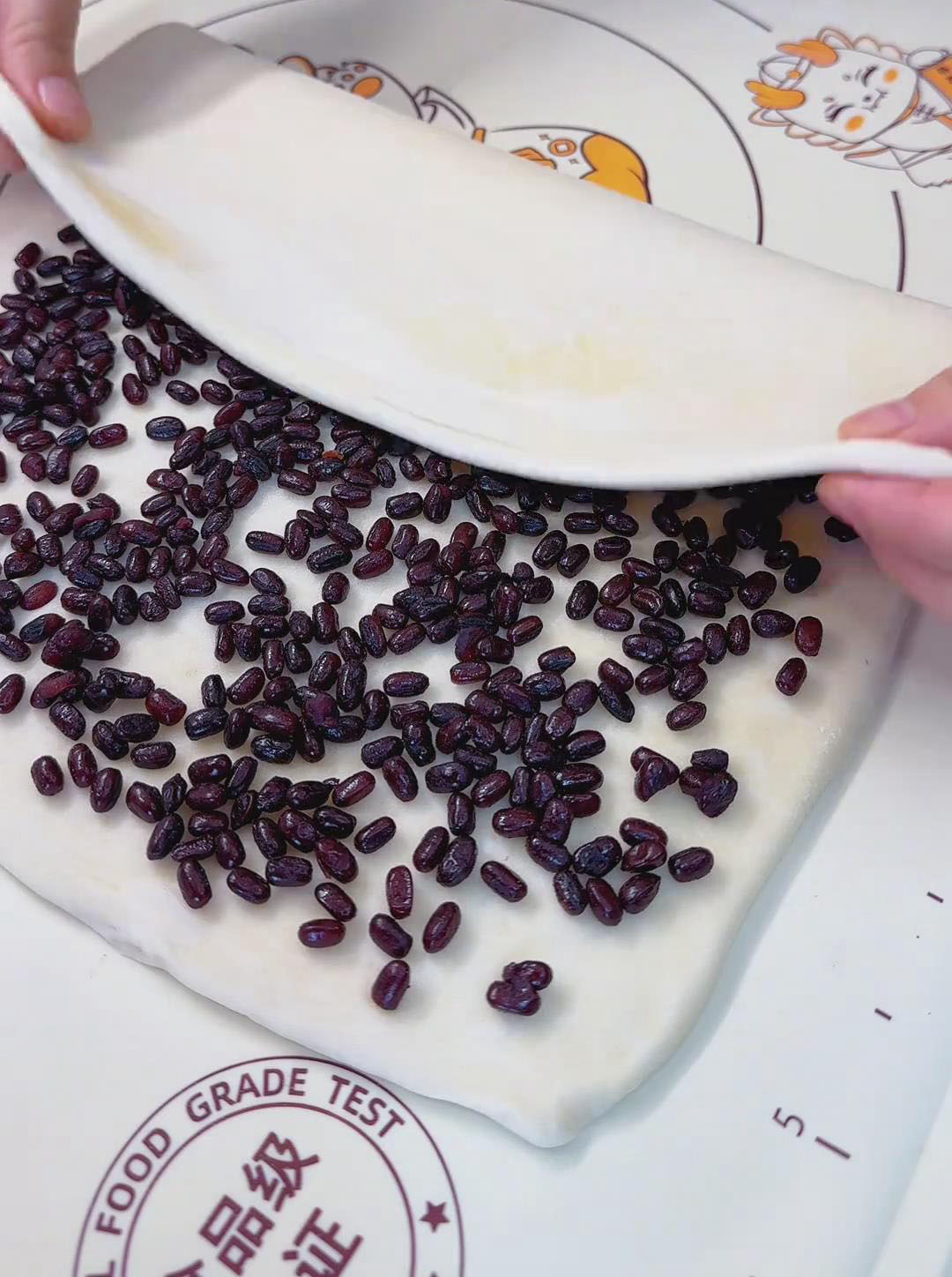
Fold the remaining section over to create a three-layer stack.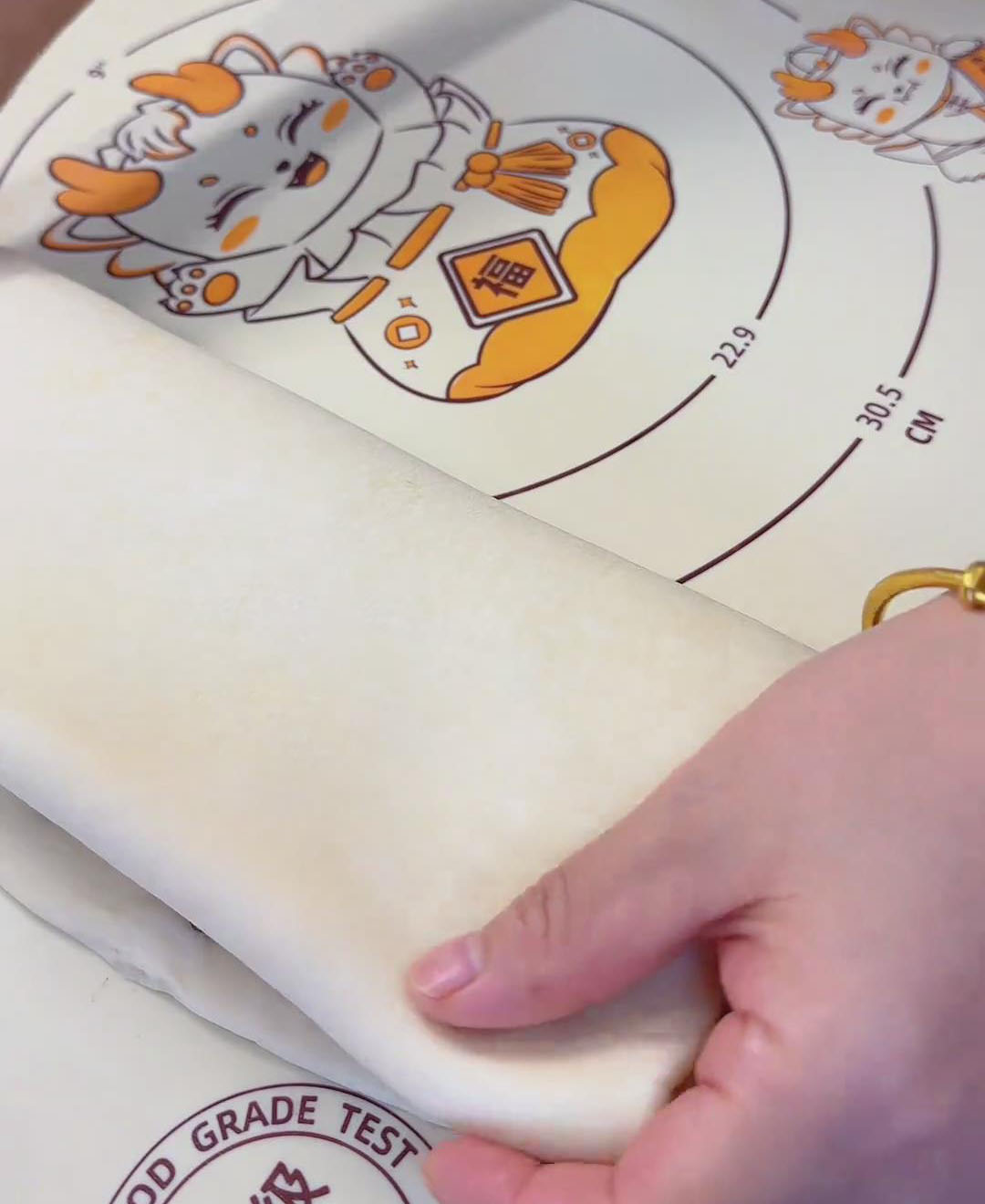
Roll lightly until the dough is about 1 cm thick.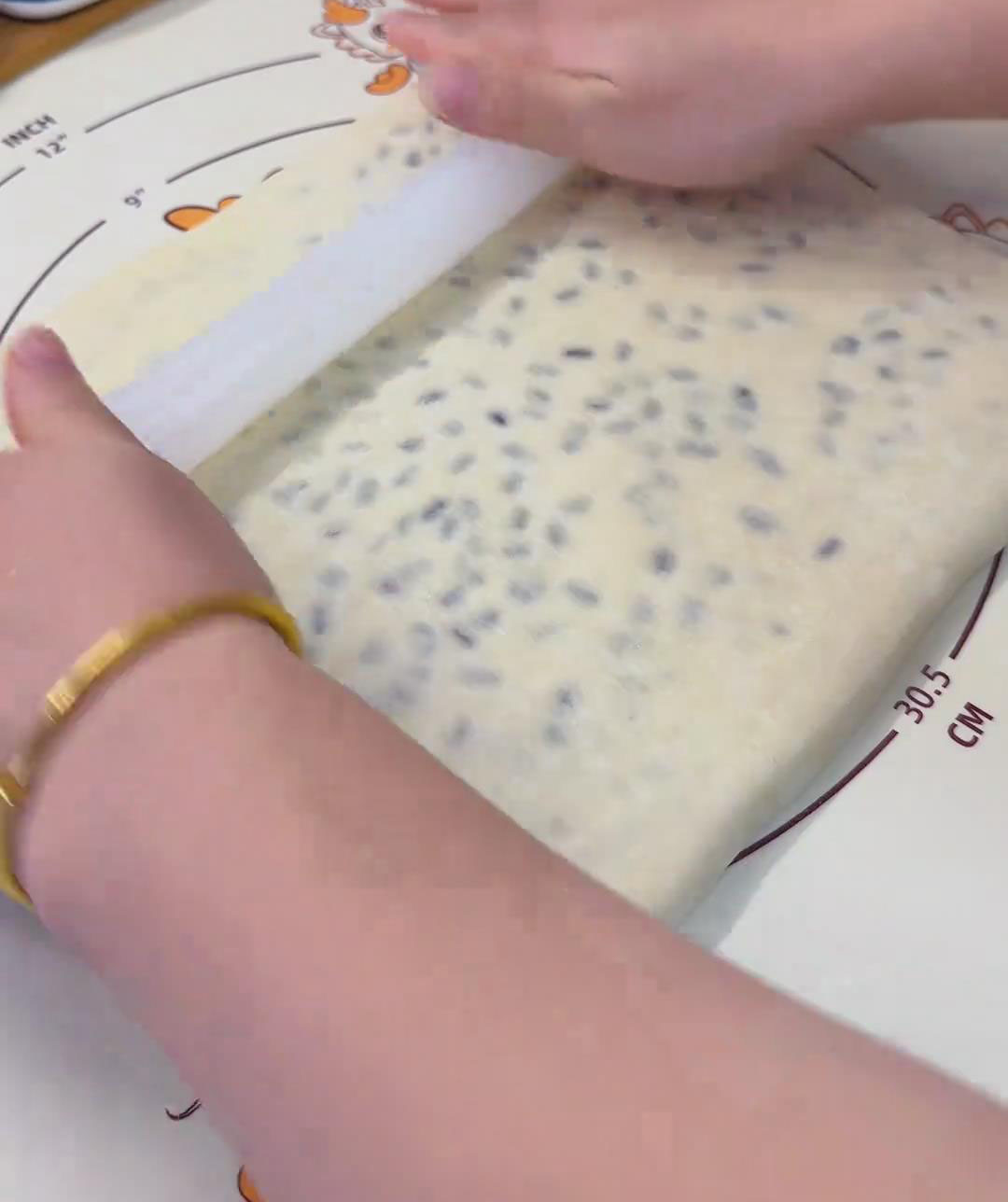
Cut into desired shapes, such as squares or rounds.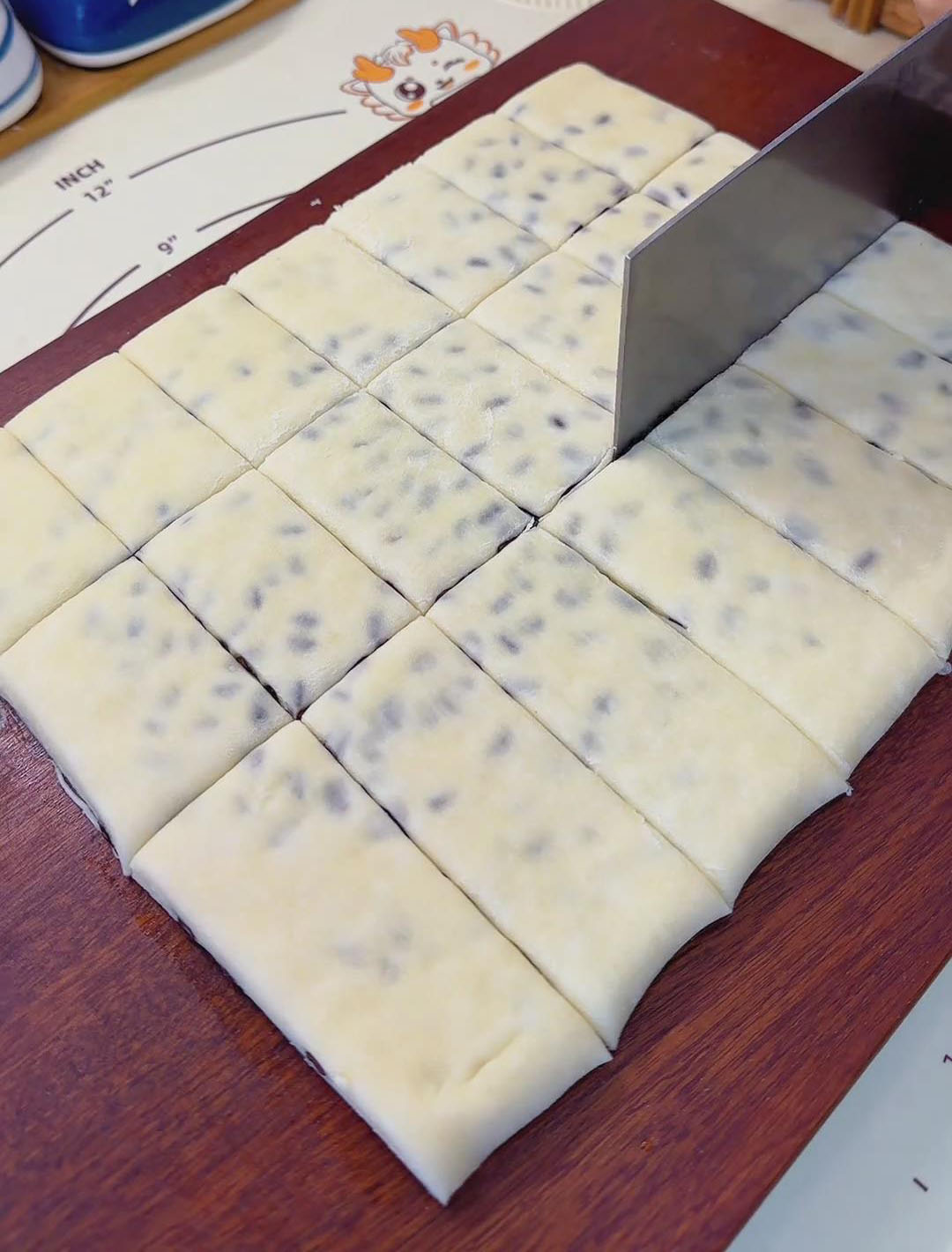
Proof and bake
Preheat the oven to 160°C (320°F), top and bottom heat, for 10 minutes.
Arrange the pastries on a baking tray. Brush the surface evenly with egg yolk and sprinkle with white sesame seeds.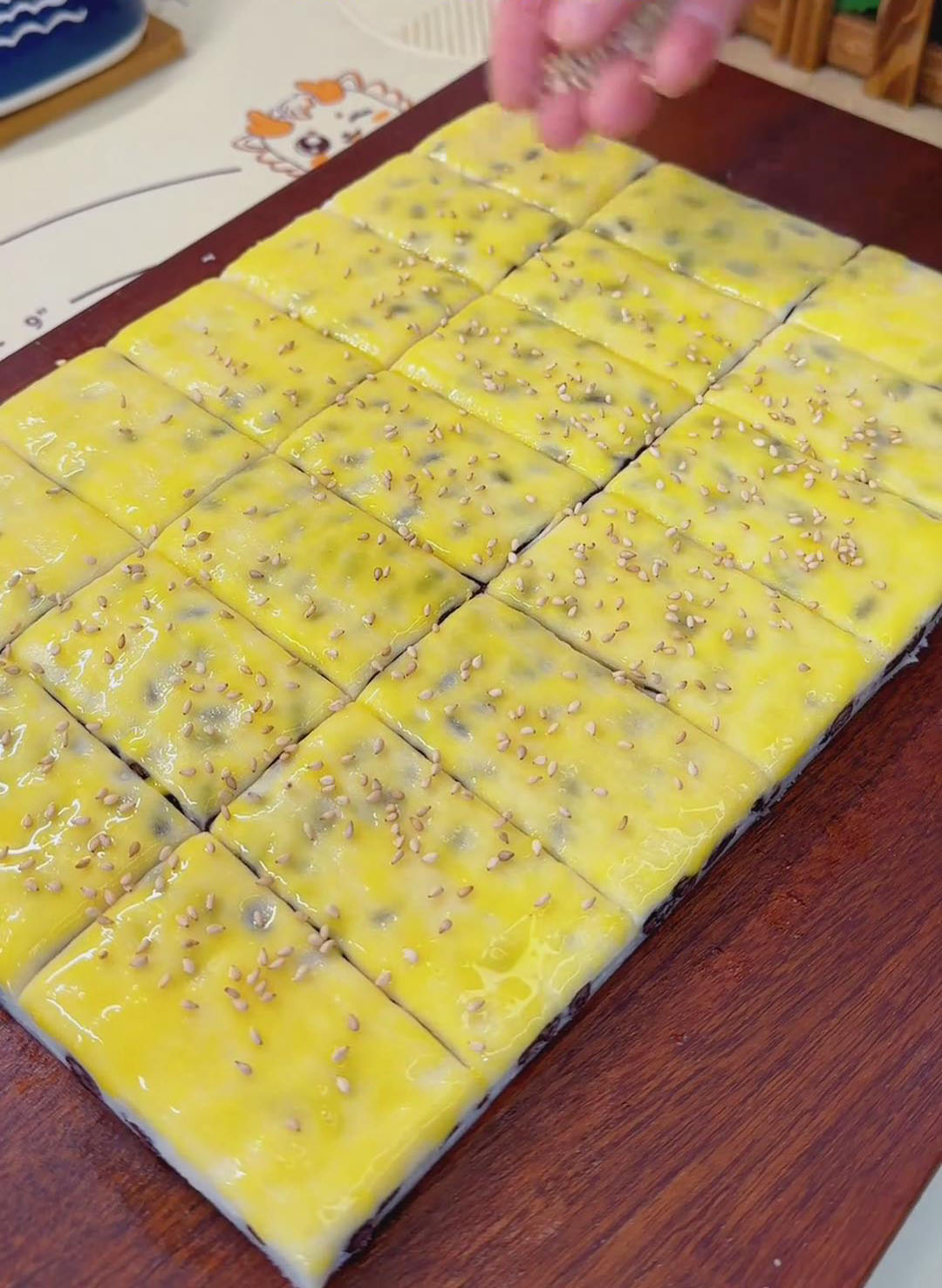
Place them in a warm area and let proof for 20 minutes, until about 1.5 times their original size.
Bake on the middle rack at 160°C for 25 minutes, until golden, flaky, and slightly puffed.
Remove from the oven and let cool for 5 minutes before serving to allow the crust to crisp further.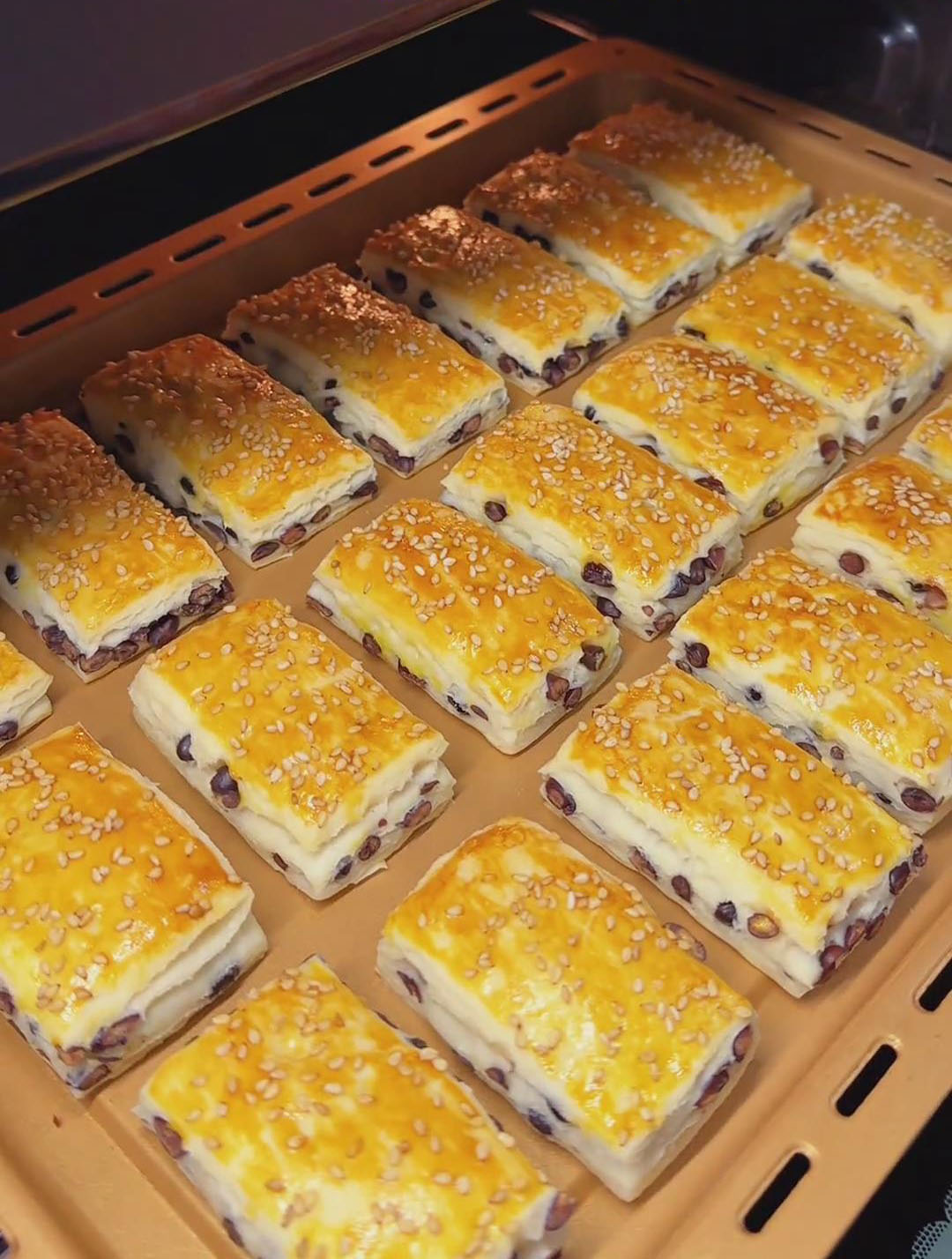
Tips & tricks
- Seal thoroughly – Always pinch the seams tightly when wrapping the oil paste to protect the layers.
- Roll evenly – Uneven thickness can cause tearing or irregular layers.
- Control proofing temperature – Aim for 25–30°C so the yeast activates properly without overproofing.
- Bake gently – Baking at 160°C ensures a crisp exterior without drying out the inside.
- Mind the filling moisture – Use red beans with minimal liquid to prevent the pastry from breaking.
Homemade Red Bean Pastry with Perfect Flaky Layers
Love flaky Chinese pastries? This red bean pastry uses a simple lamination technique to create crisp, buttery layers and a soft, lightly sweet red bean filling. Step-by-step instructions make this classic recipe totally achievable.Servings 6Ingredients
Water Dough
- 300 g all-purpose flour
- 3 g sugar
- 2 g baking powder
- 3 g yeast
- 170 g warm water
- 15 g corn oil or butter
Oil Paste (Oil Dough)
- 150 g all-purpose flour
- 75 g corn oil
Filling & Topping
- 150 g sweet red beans
- 1 egg yolk beaten
- White sesame seeds as needed
Instructions
Make the water dough
- In a large bowl, add the flour, sugar, baking powder, and yeast. Pour in the warm water and stir with chopsticks until the mixture forms evenly hydrated shaggy crumbs with no dry flour remaining.
- Add the corn oil or butter and knead by hand until the dough becomes smooth, elastic, and no longer sticks to your hands or the bowl. This takes about 10 minutes.
- Cover the dough with plastic wrap or a damp cloth and let it rest for 10 minutes to relax the gluten.
Make the oil paste
- In a separate bowl, combine the flour and corn oil.
- Mix thoroughly until the flour fully absorbs the oil, then knead lightly until a smooth, non-sticky oil dough forms. This dough does not need to rest and can be used immediately.
Lamination (creating the flaky layers)
- Place the rested water dough on a lightly floured surface and press it into a round disc about 20 cm in diameter.
- Place the oil paste in the center of the water dough.
- Wrap the dough around it completely and pinch the seams tightly so the oil paste is fully sealed inside.
- Roll the dough into a rectangular sheet about 0.3 cm thick, keeping the thickness as even as possible.
- Fold both short ends toward the center and press gently to seal.
- Roll the dough out again into a rectangle and repeat the fold one more time. This completes the lamination. Avoid over-folding, as too many layers can cause them to stick together.
Fill and shape
- Roll the laminated dough into a large, even sheet. Sprinkle sweet red beans evenly over two-thirds of the surface, keeping the edges clear.
- Fold the unfilled third over the red bean layer and press gently.
- Fold the remaining section over to create a three-layer stack.
- Roll lightly until the dough is about 1 cm thick.
- Cut into desired shapes, such as squares or rounds.
Proof and bake
- Preheat the oven to 160°C (320°F), top and bottom heat, for 10 minutes.
- Arrange the pastries on a baking tray. Brush the surface evenly with egg yolk and sprinkle with white sesame seeds.
- Place them in a warm area and let proof for 20 minutes, until about 1.5 times their original size.
- Bake on the middle rack at 160°C for 25 minutes, until golden, flaky, and slightly puffed.
- Remove from the oven and let cool for 5 minutes before serving to allow the crust to crisp further.




Leave a Reply