
As a long-time lover of all things dough and steamed buns, I’m always excited to explore different mantou variations.
What I find particularly enjoyable is incorporating wholesome, naturally colorful ingredients into the dough, much like in recipes for Purple Sweet Potato Buns, Steamed Carrot Buns, Black Sesame Mantou Rolls, or Sweet Potato Mantou.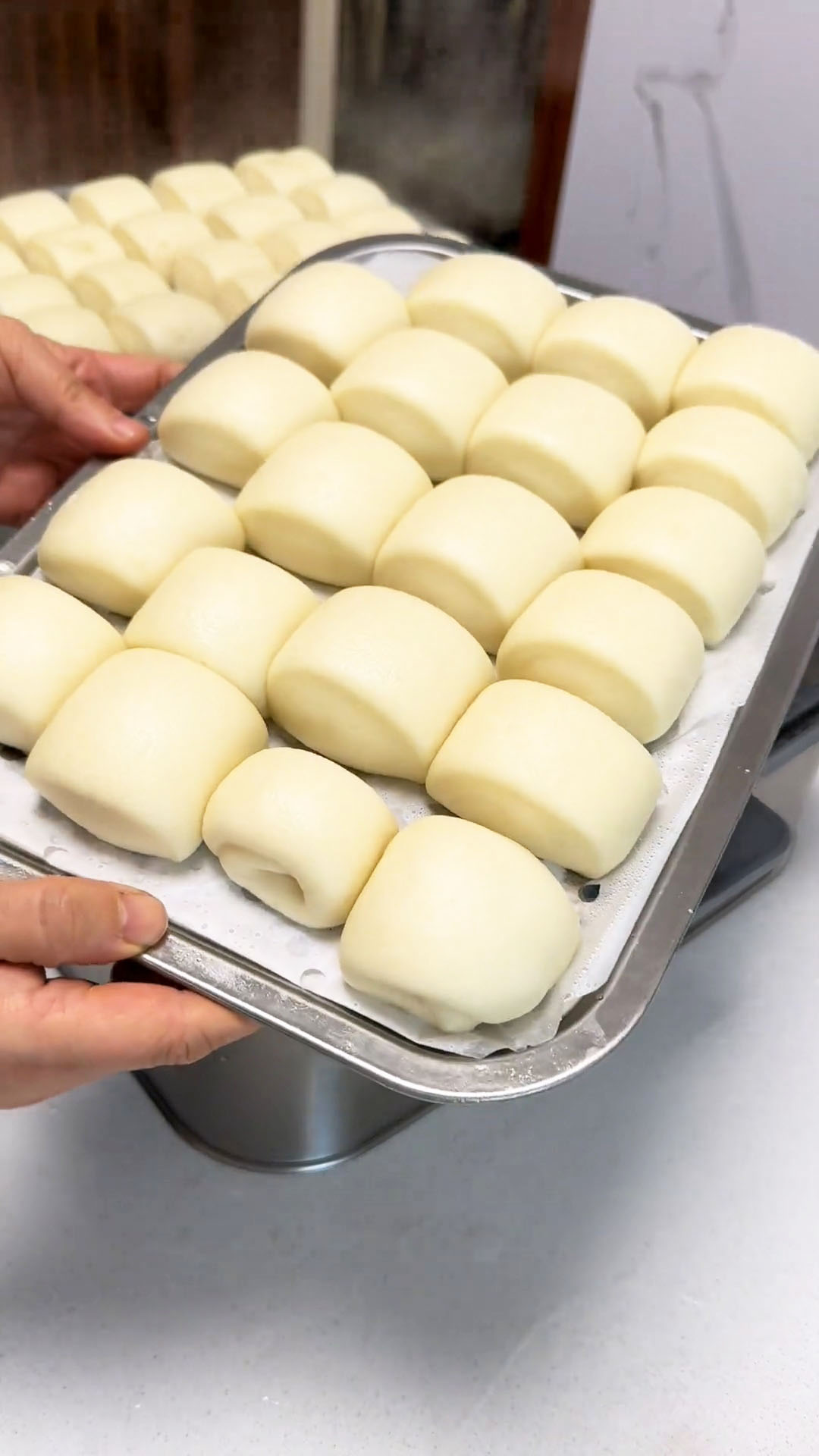
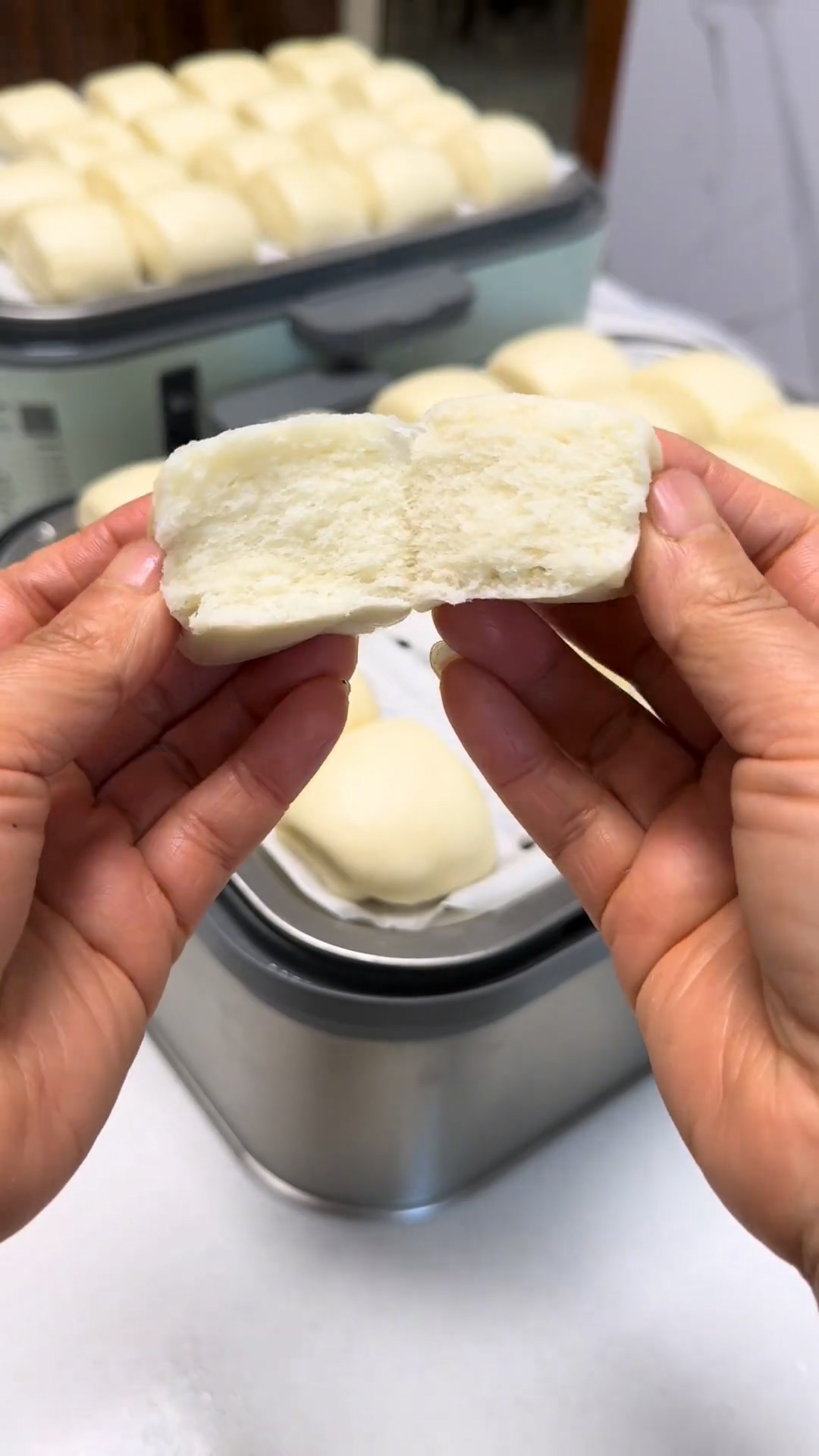
These Chinese Yam Buns carry the yam’s own delicate, earthy aroma. They turn out softer and are significantly more nutritious than plain white flour steamed buns.
It’s important to note that Chinese yam is distinct from taro, and it’s also different from purple sweet potato. The image below shows Chinese yam.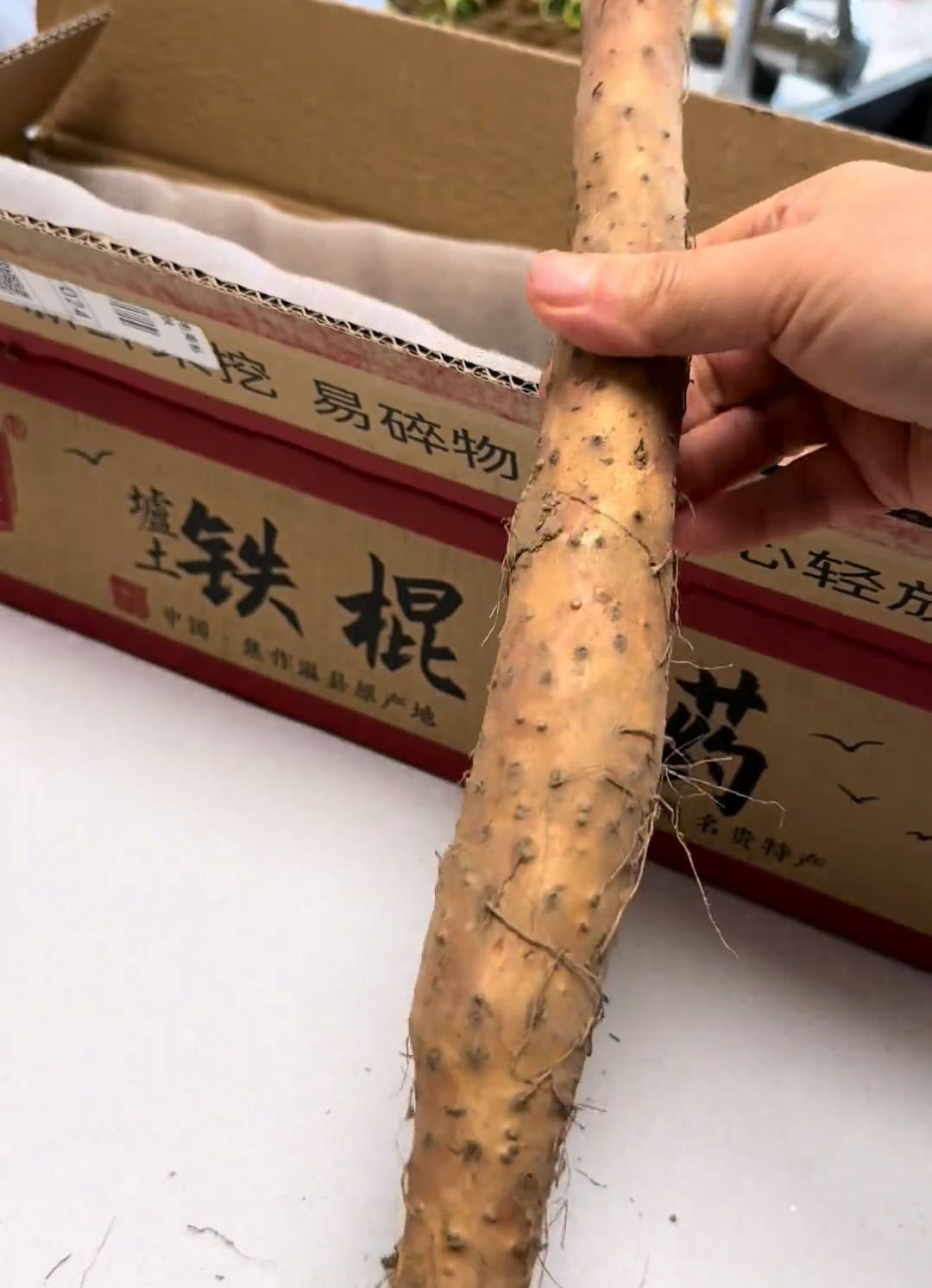
Why You‘ll Love This Recipe
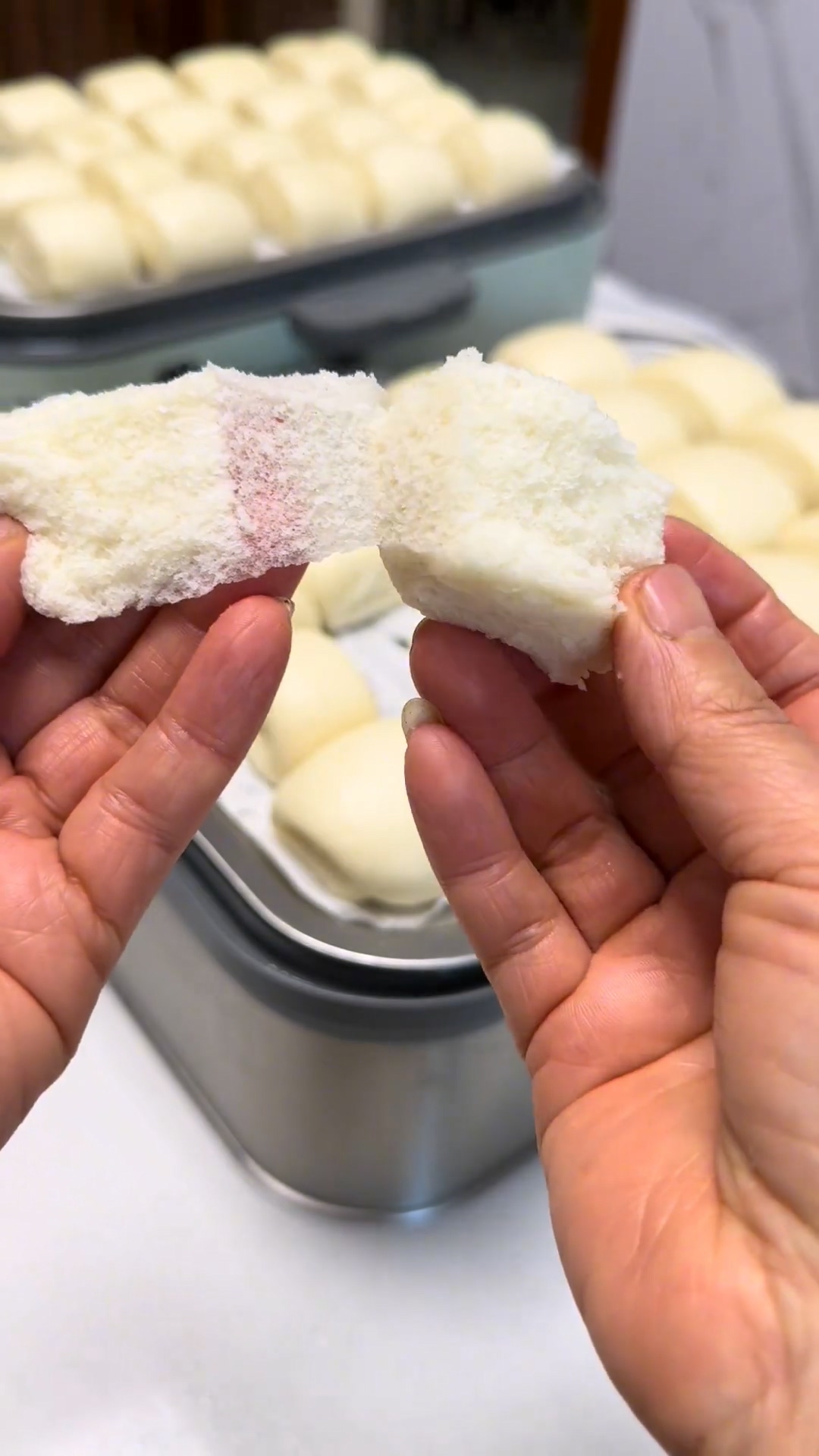
- These mantou are extra soft and fine-textured, thanks to the addition of Chinese yam.
- The dough is naturally fragrant and lightly sweet, without being dessert-like.
- One batch makes 30–40 buns, making it incredibly economical and practical.
- The recipe is beginner-friendly, with clear steps and no complicated fermentation stages.
- Chinese yam adds nutritional value and moisture, making these buns suitable for all ages.
Ingredients and Substitutions
- Chinese Yam – I recommend using tiegun yam with a powdery, fluffy texture and visible pores, as it has lower water content and a naturally creamy aroma. It gives the mantou a softer crumb and richer flavour. If unavailable, regular Chinese yam can be used.
- All-Purpose Flour (Medium-Gluten Flour) – This is essential for achieving the right balance of softness and structure. Do not substitute with high-gluten or low-gluten flour, as it will affect the texture of the mantou.
- Water – Used to adjust the dough consistency. Because Chinese yam varies in moisture, the amount of water may need slight adjustment to achieve a smooth, pliable dough.
- Granulated Sugar – Adds subtle sweetness and helps activate the yeast. You can adjust slightly based on personal preference.
- Instant Dry Yeast – This is the key to light, fluffy mantou. If needed, osmotolerant yeast can be used as a substitute.
- Lard – Adds moisture, softness, and a smooth surface to the buns. If preferred, corn oil can be used instead. I also share a separate guide on how to make homemade lard.
How to Make Chinese Yam Mantou
1. Prepare the Yam Purée
Wash the Chinese yam thoroughly. Wear gloves and peel the skin, then cut the yam into 3–5 cm chunks. Place the yam into a steamer with enough water underneath.
Bring to a boil, then steam over medium heat for about 15 minutes, or until a chopstick can easily pass through the yam.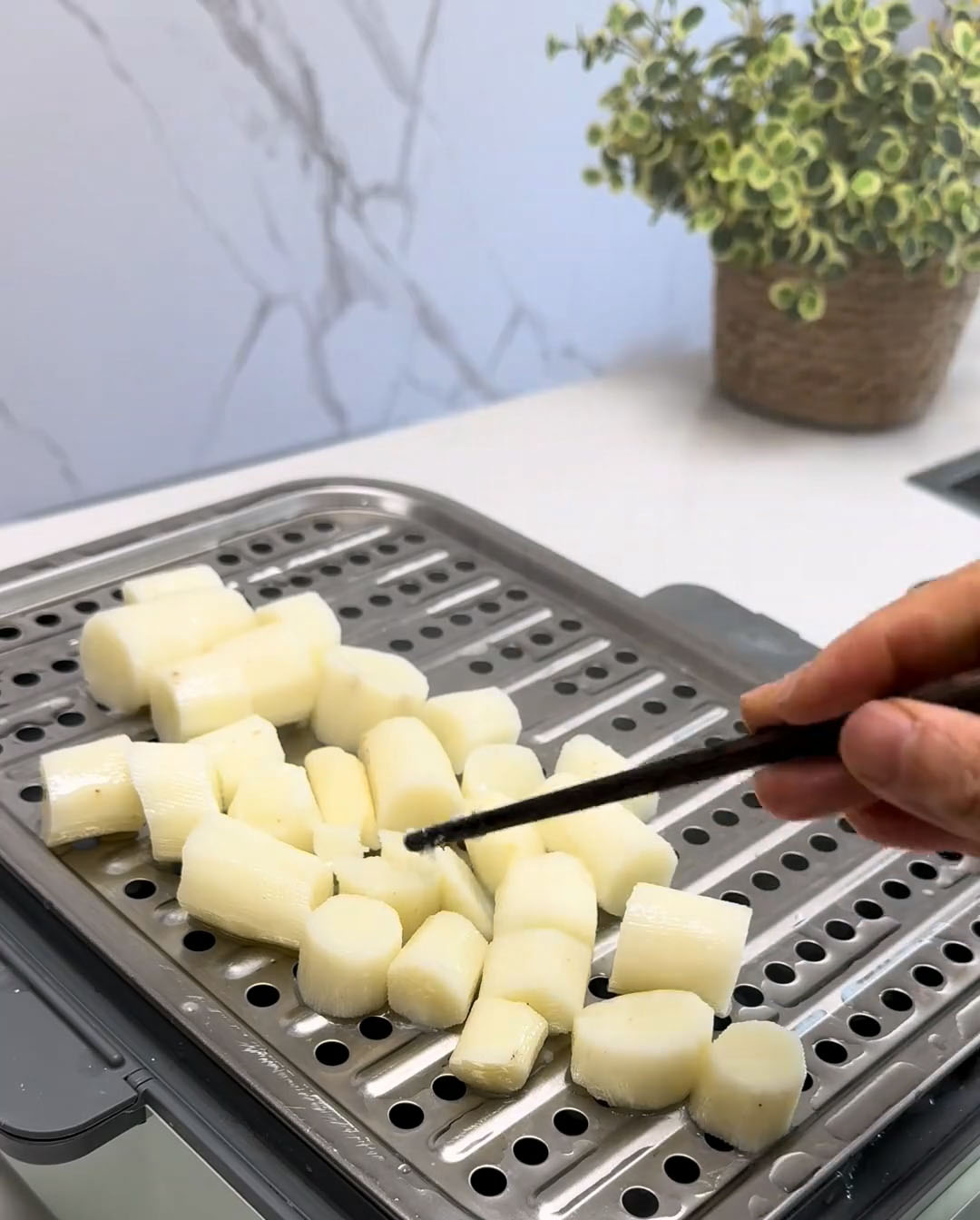
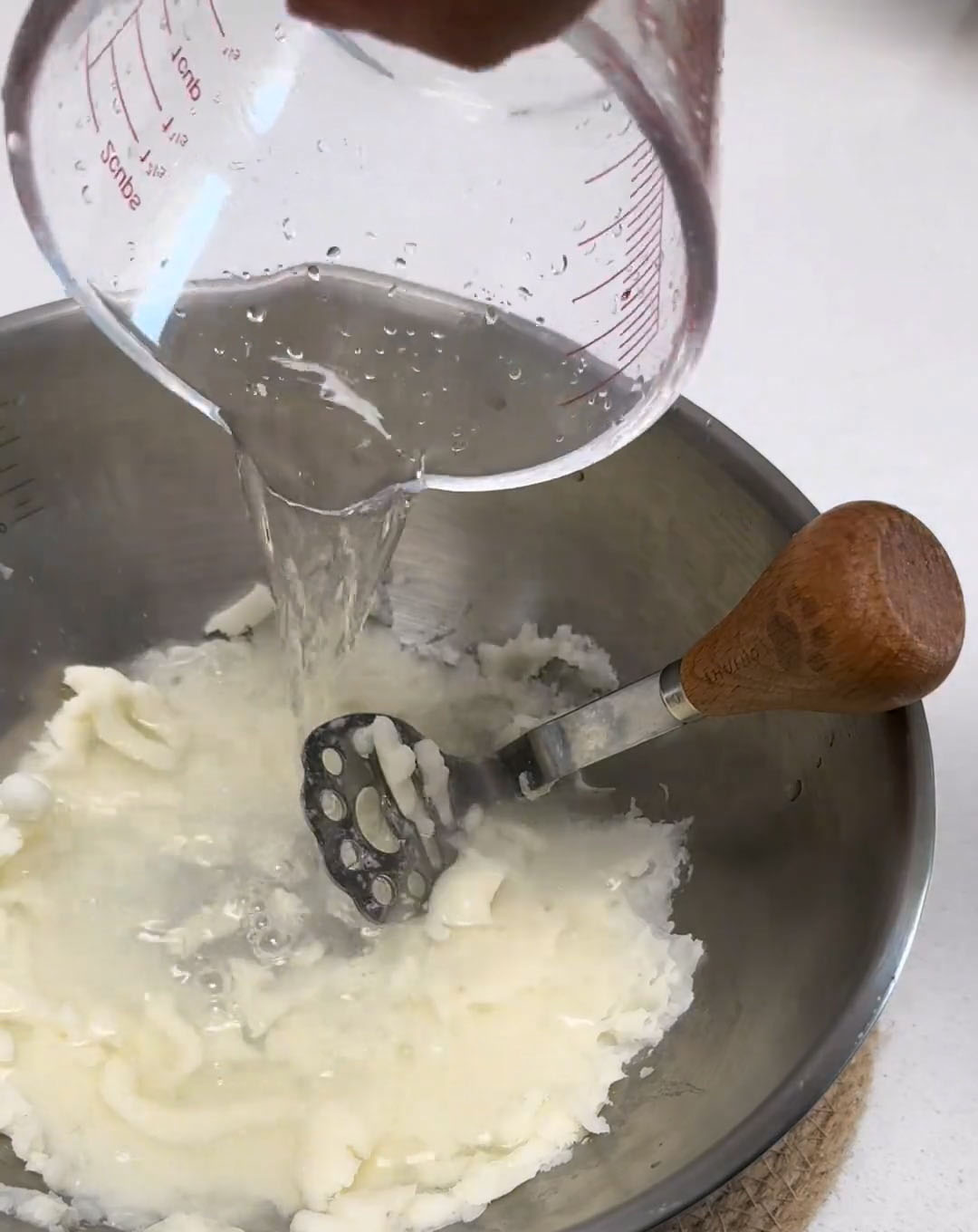
Remove the yam while hot, weigh out 220 g, and transfer it to a large bowl. Mash until smooth using a spoon or masher. Add 180 g water and mix well to loosen the purée, making it easier to incorporate into the dough.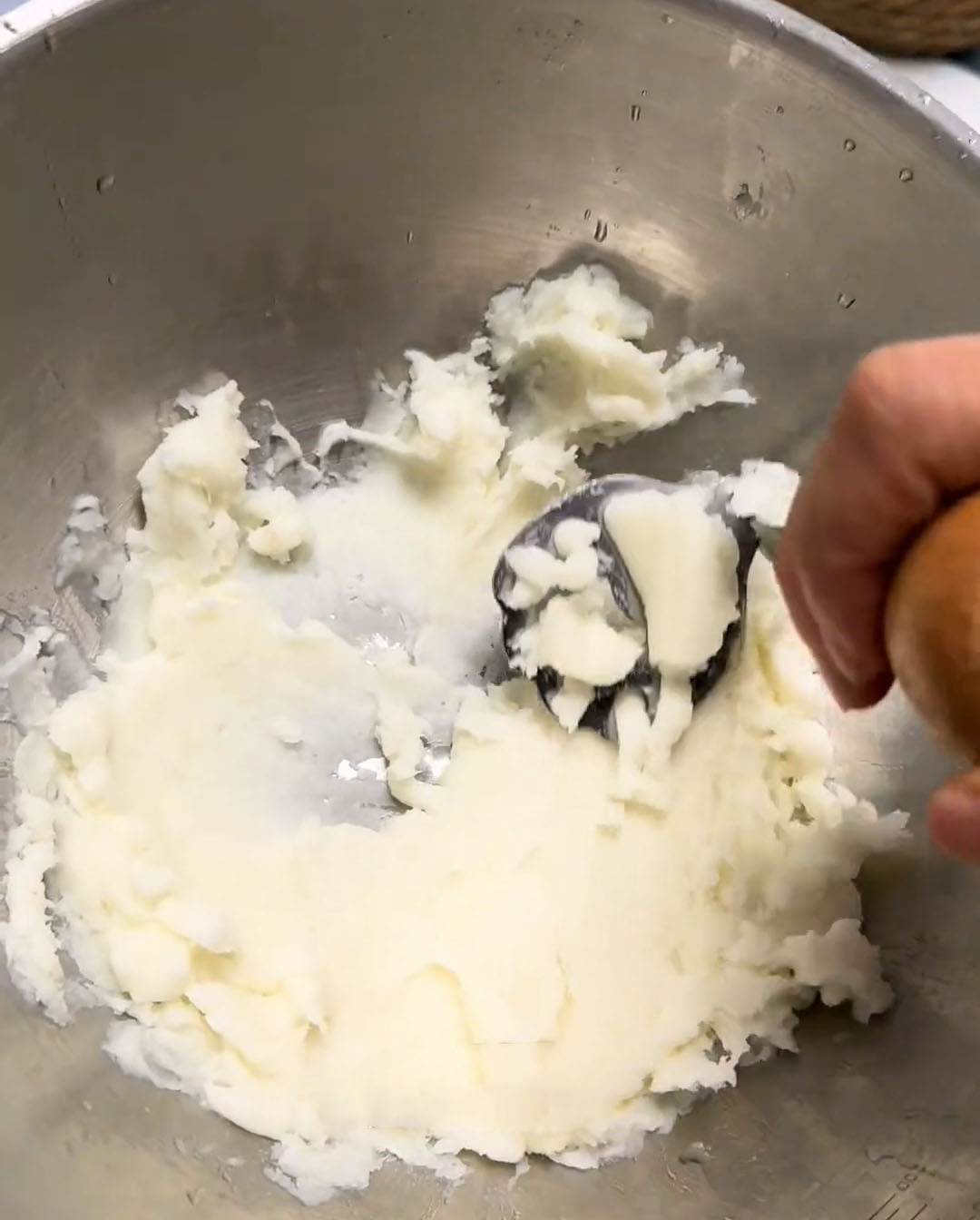
 2. Mix and Knead the Dough
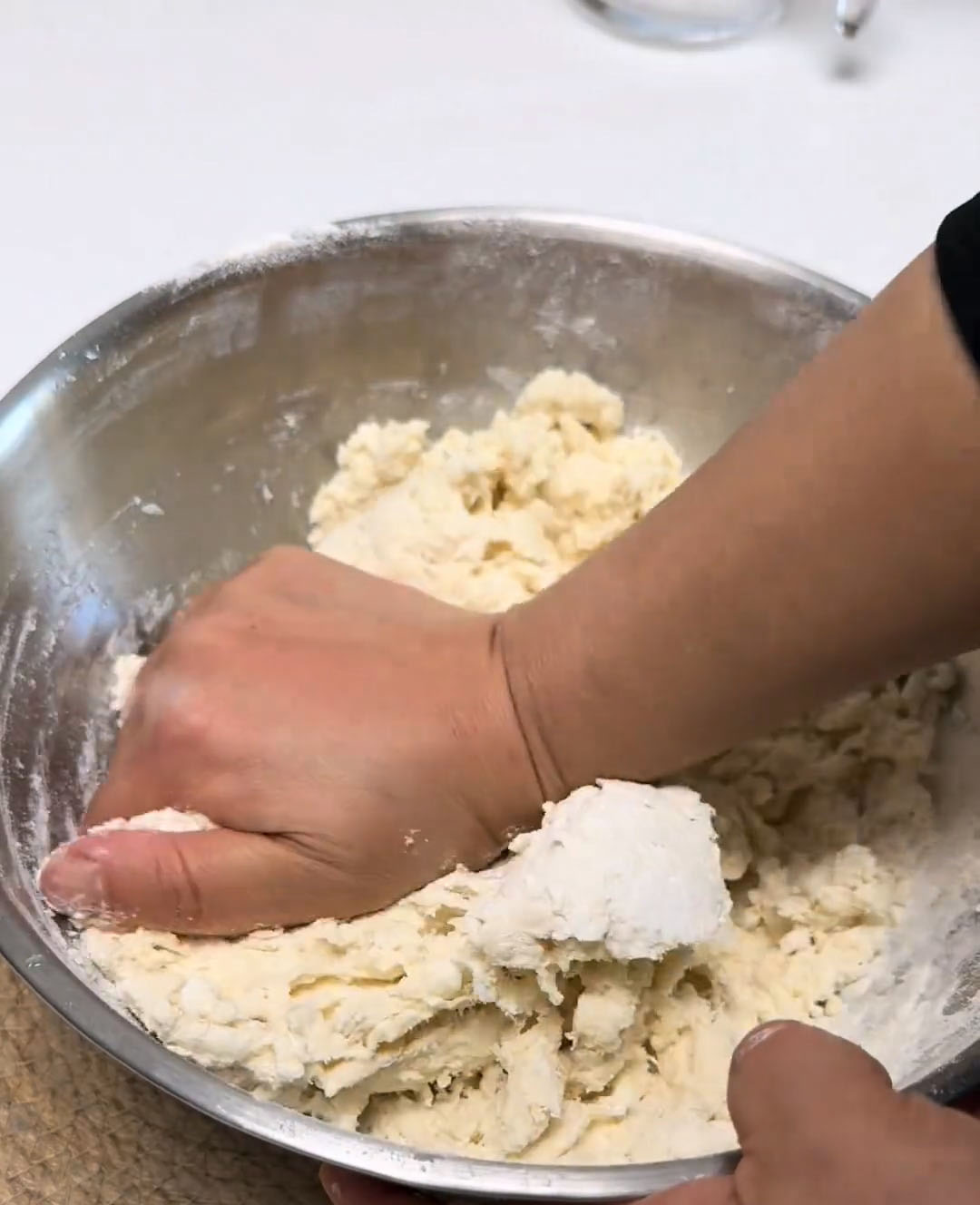
Add the sugar and instant yeast to the yam purée. Add the flour and mix with chopsticks until no dry flour remains. Add the lard, then knead by hand until a dough forms.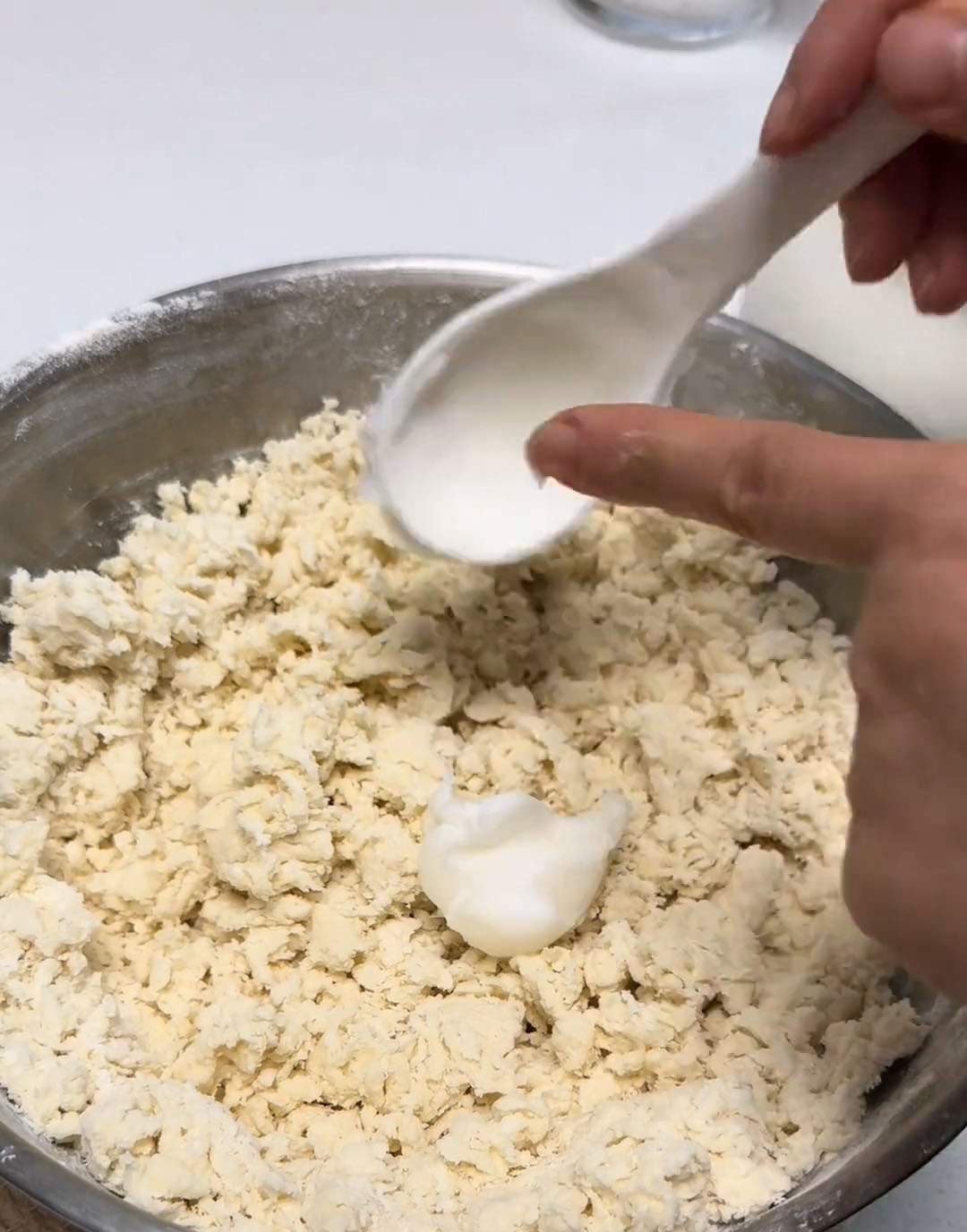
Transfer the dough to a work surface and knead repeatedly until smooth and no longer sticky. This extra kneading helps create a fine, delicate crumb. There is no need for bulk fermentation at this stage.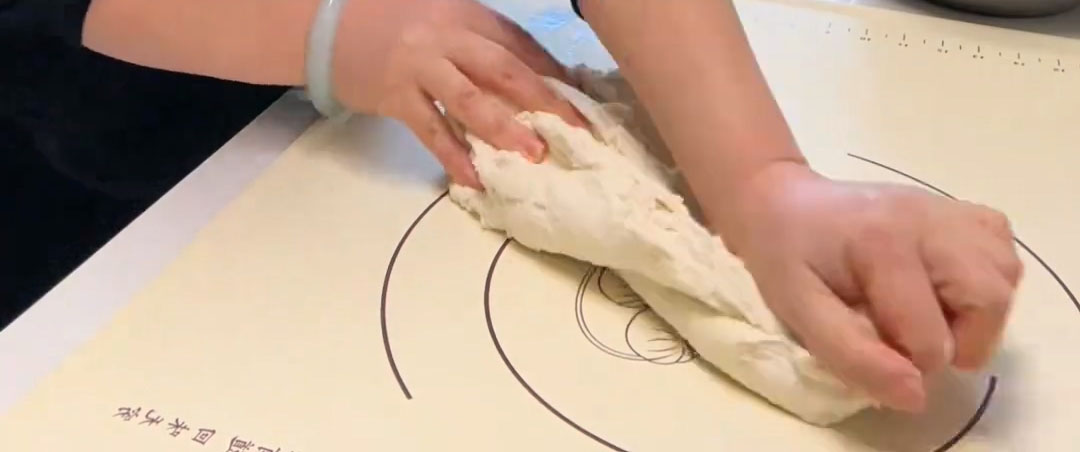
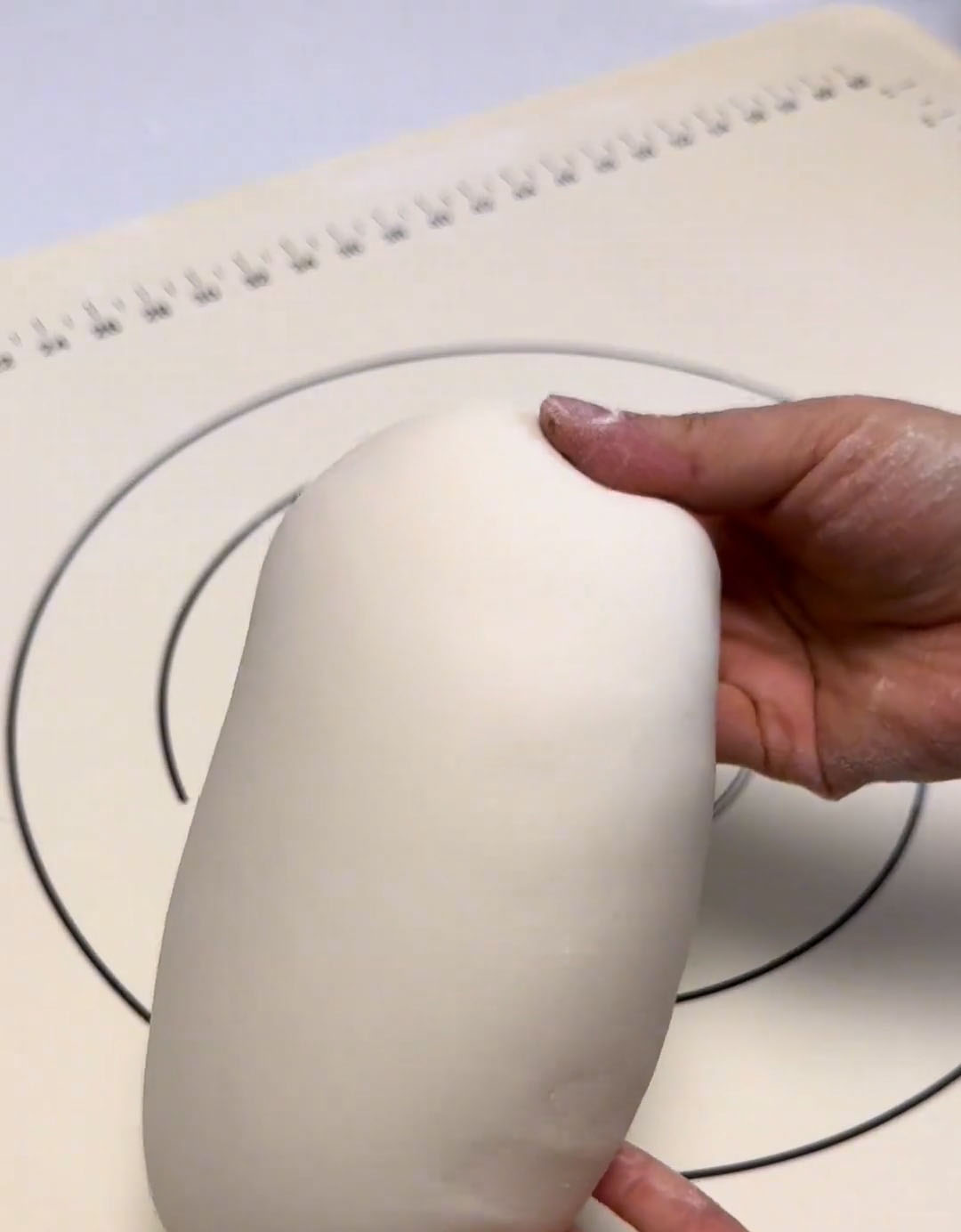
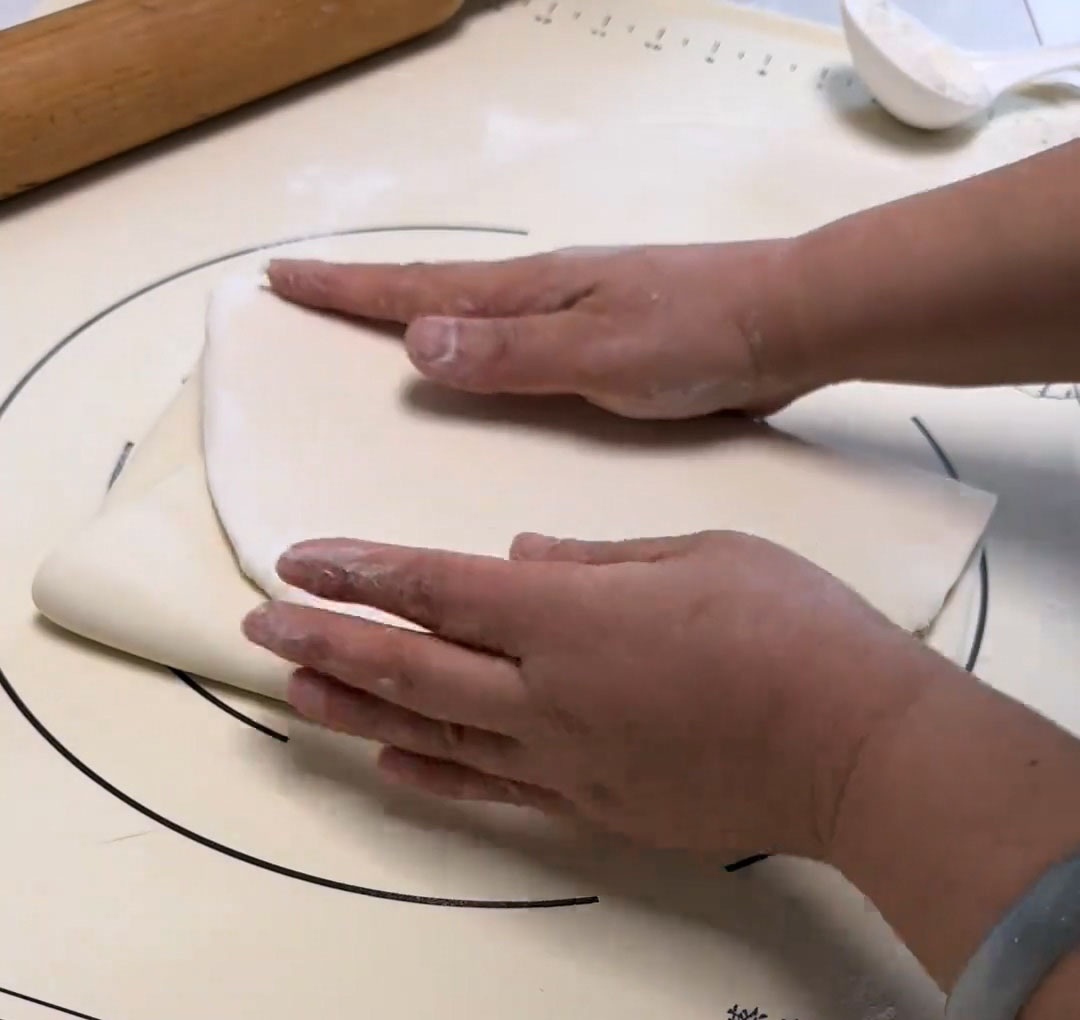
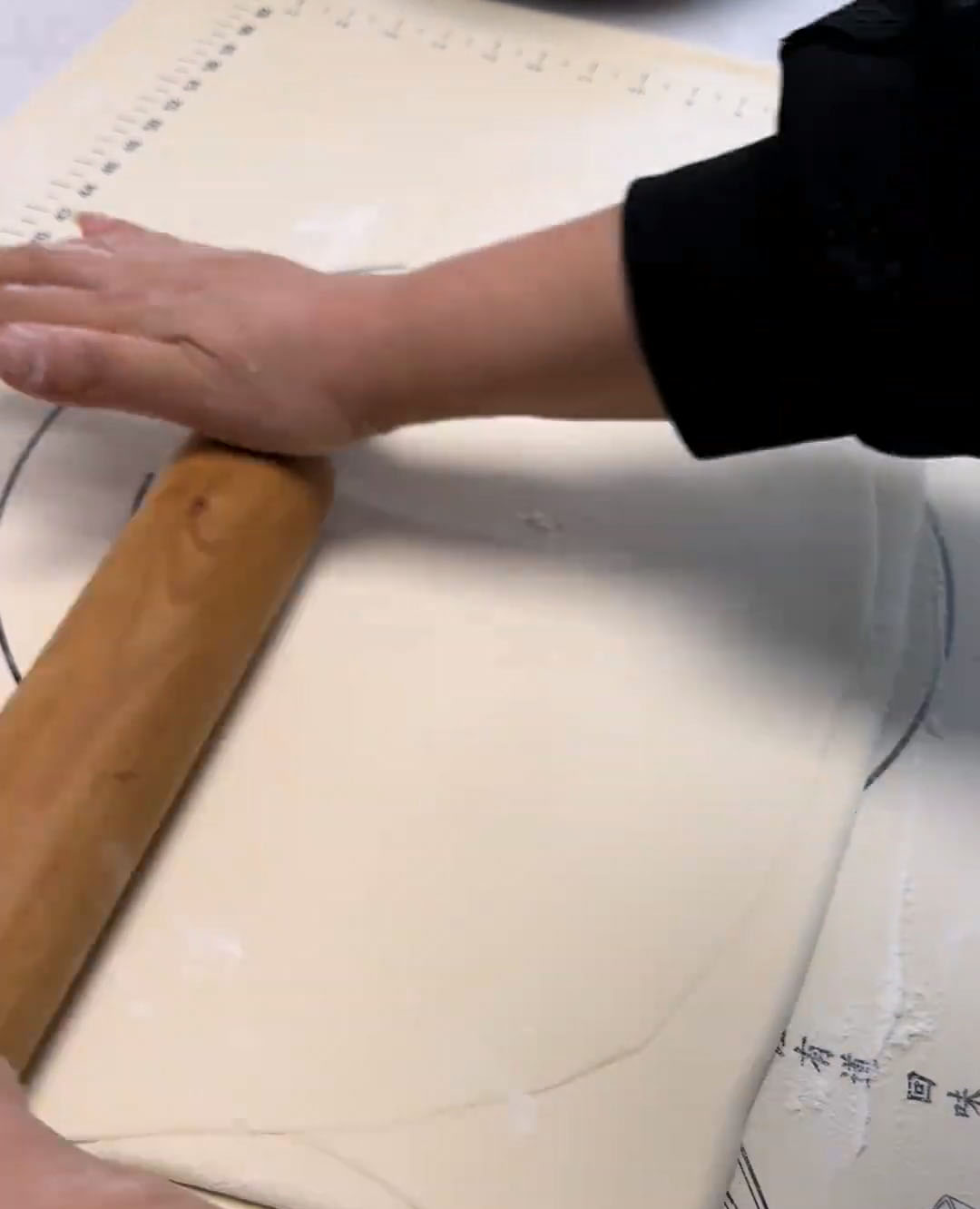
Roll the dough into a large thin sheet, fold both ends toward the centre, then roll it out again. Repeat this rolling and folding process twice to smooth the dough and improve the final texture.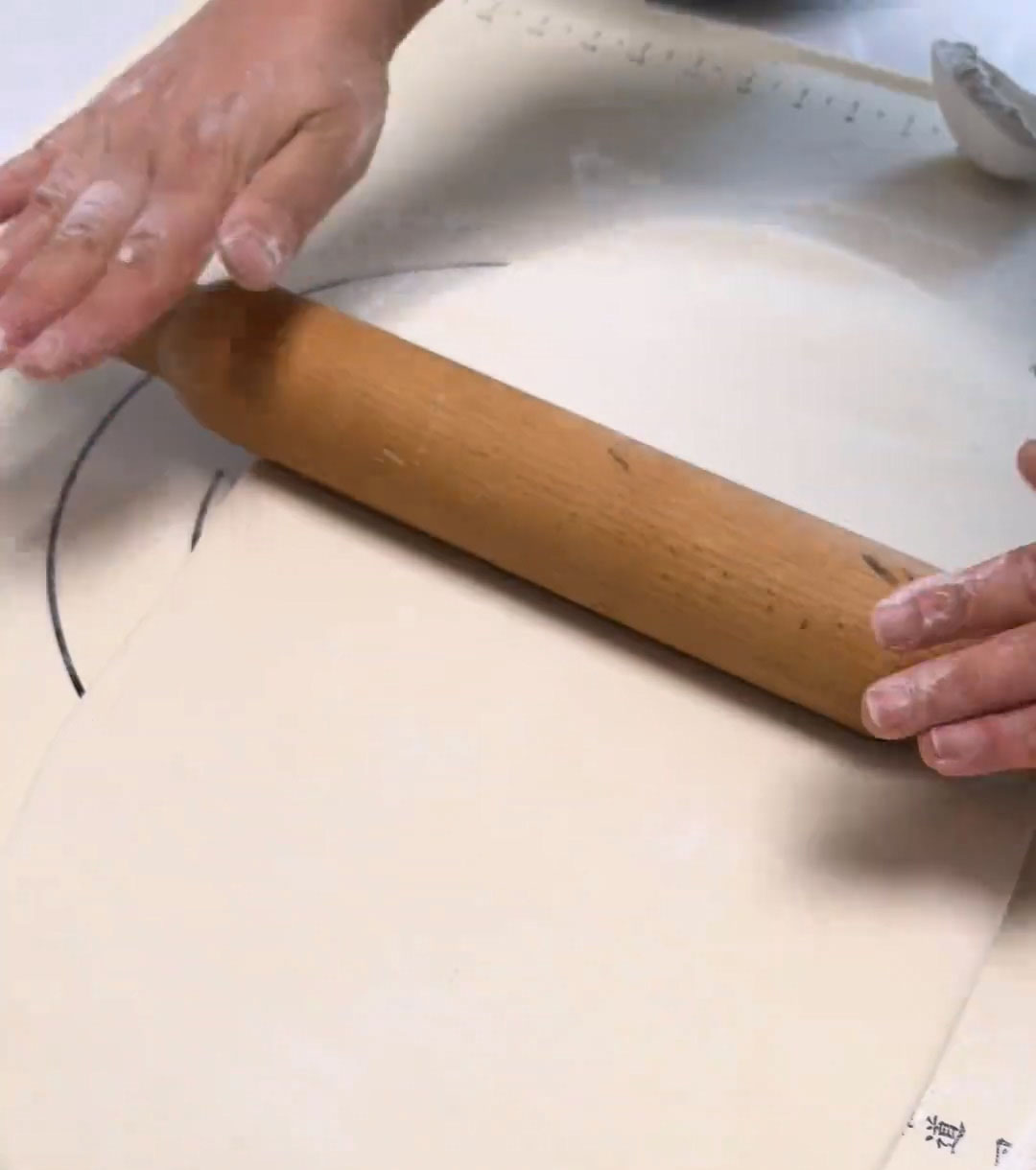
 3. Shape the Mantou
Roll the dough into a wide, thin sheet once more.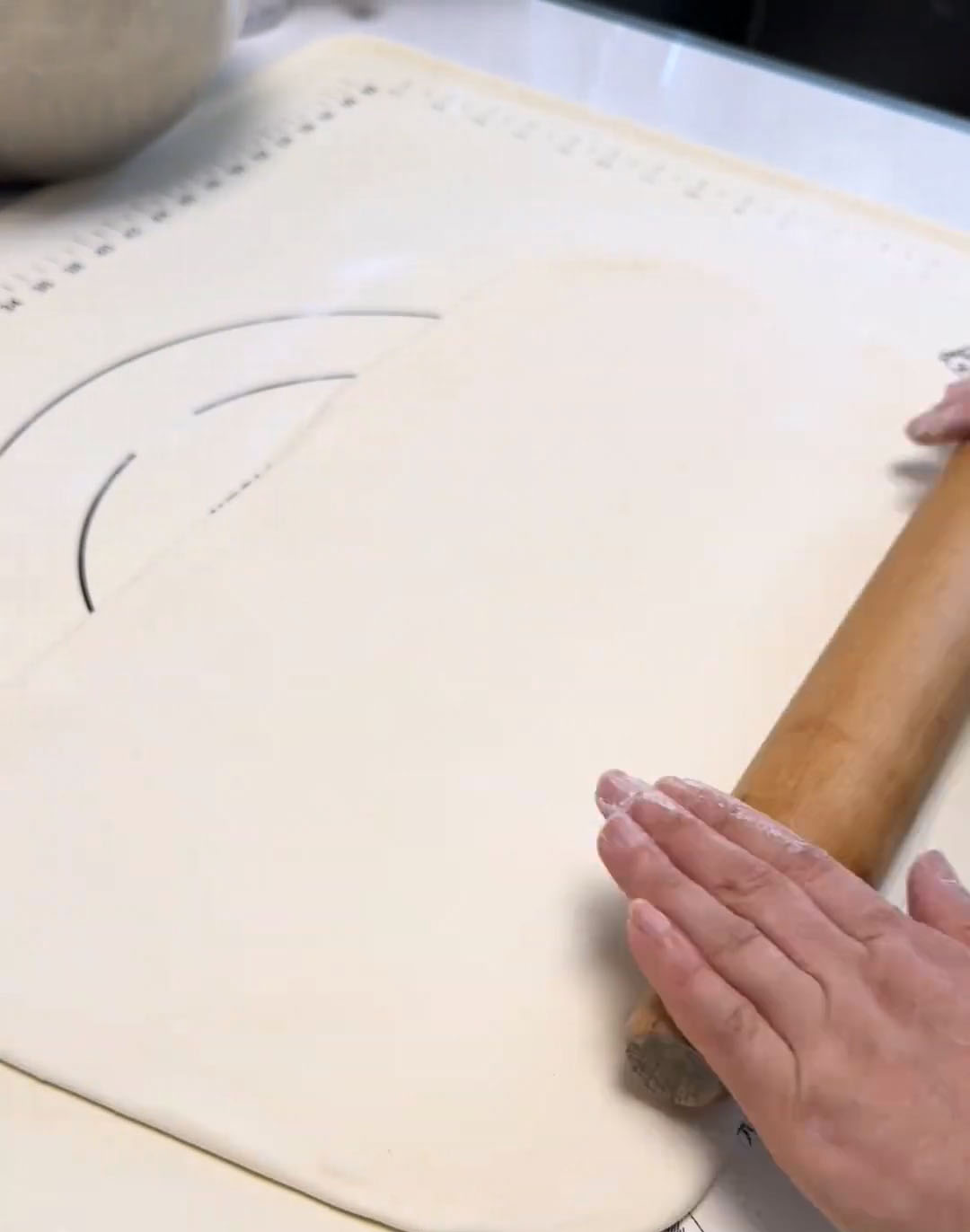
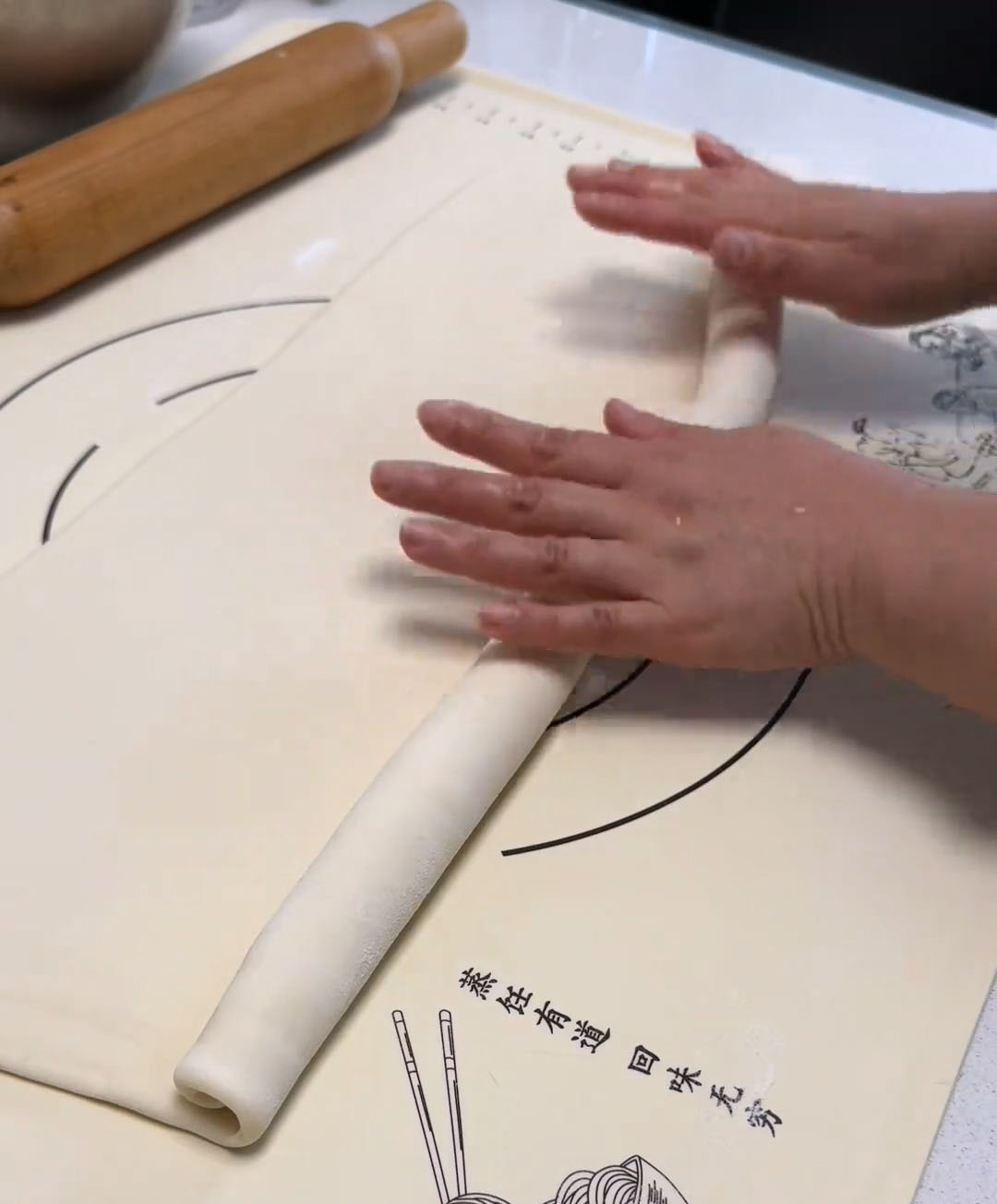
Lightly spray the surface with water to increase stickiness, then roll it tightly from one end into a log.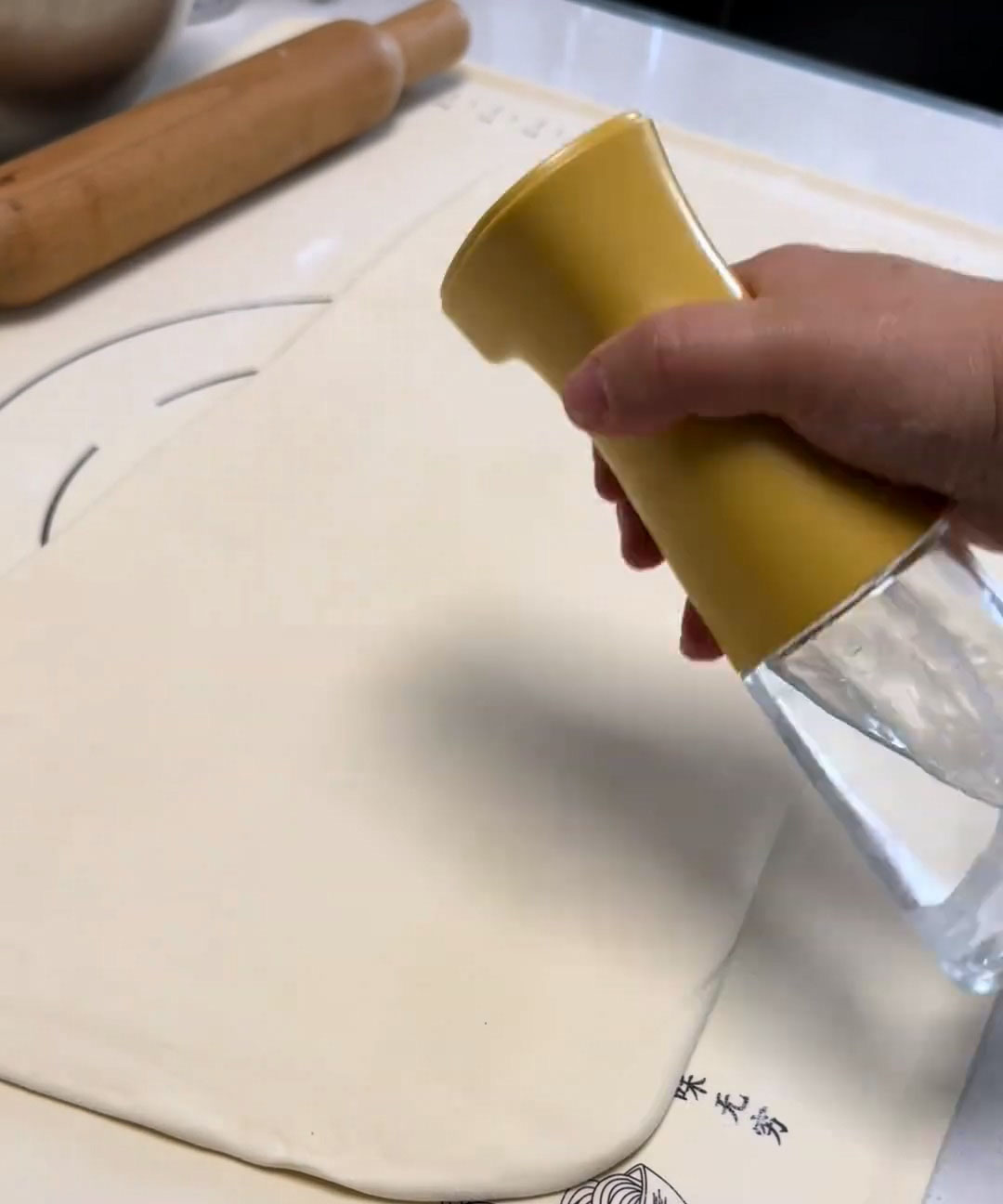
Cut the log in half.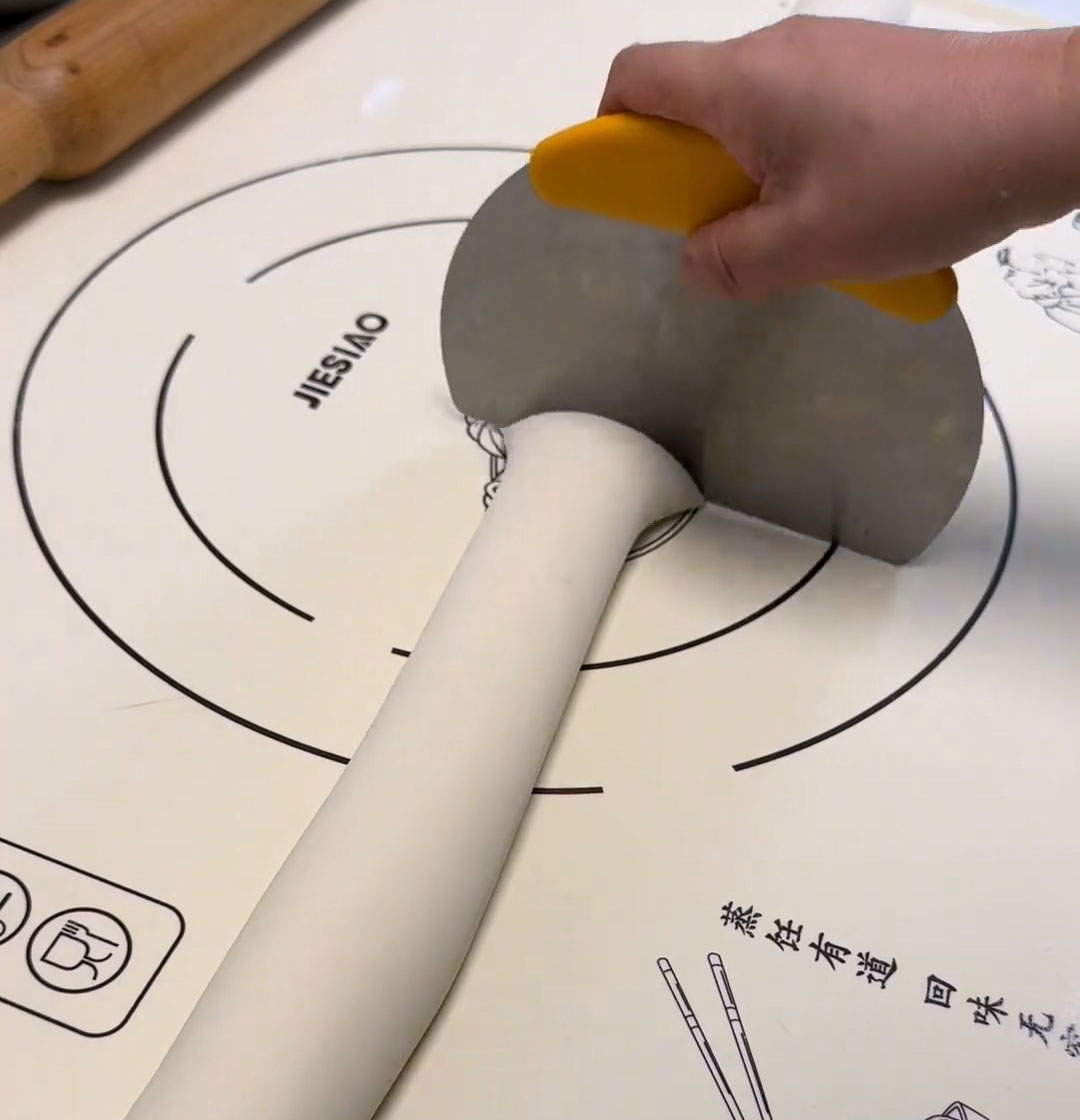
Roll each half into a thinner, even rope, then cut into pieces about two fingers wide. Cut them slightly wider than the final size, as the dough will expand during proofing.
4. Proof the Dough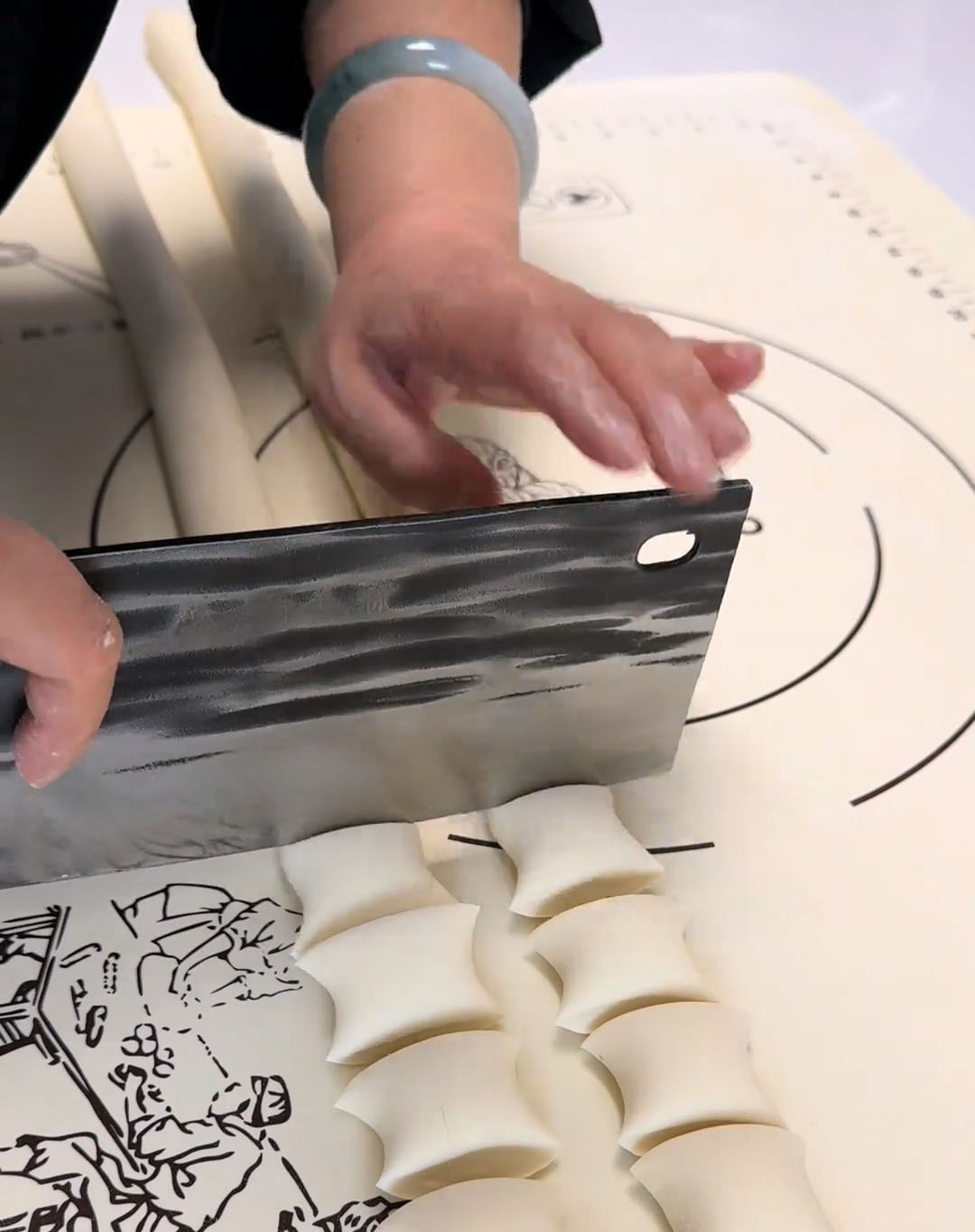
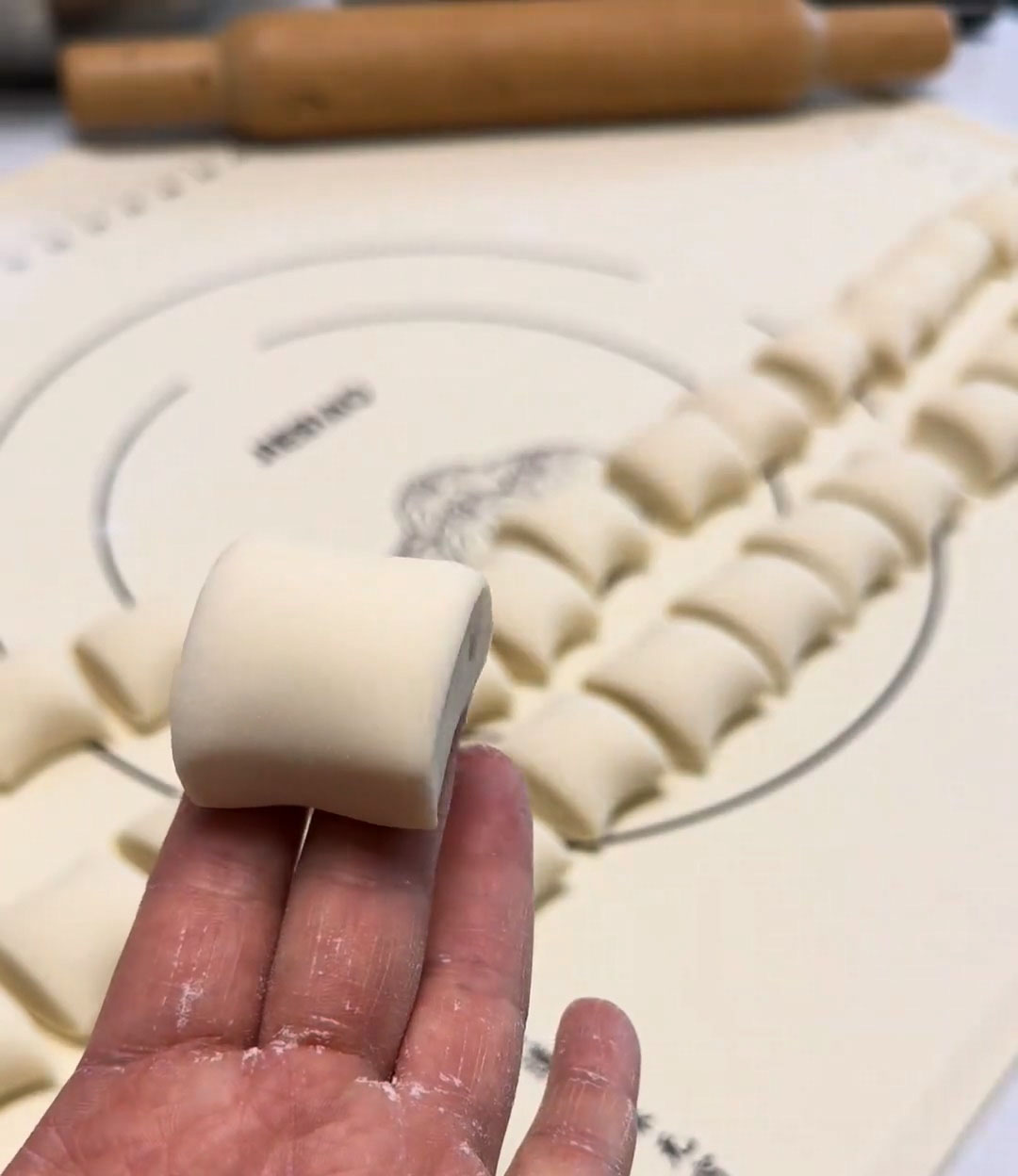
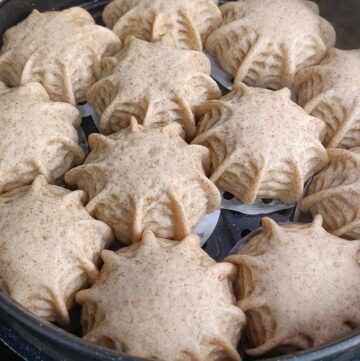
Place the shaped mantou onto steamer trays lined with steaming cloth, leaving space between each piece. Cover with plastic wrap or a damp cloth and proof in a warm environment (28–30°C) until doubled in size.
The dough is ready when gently pressed and it springs back quickly.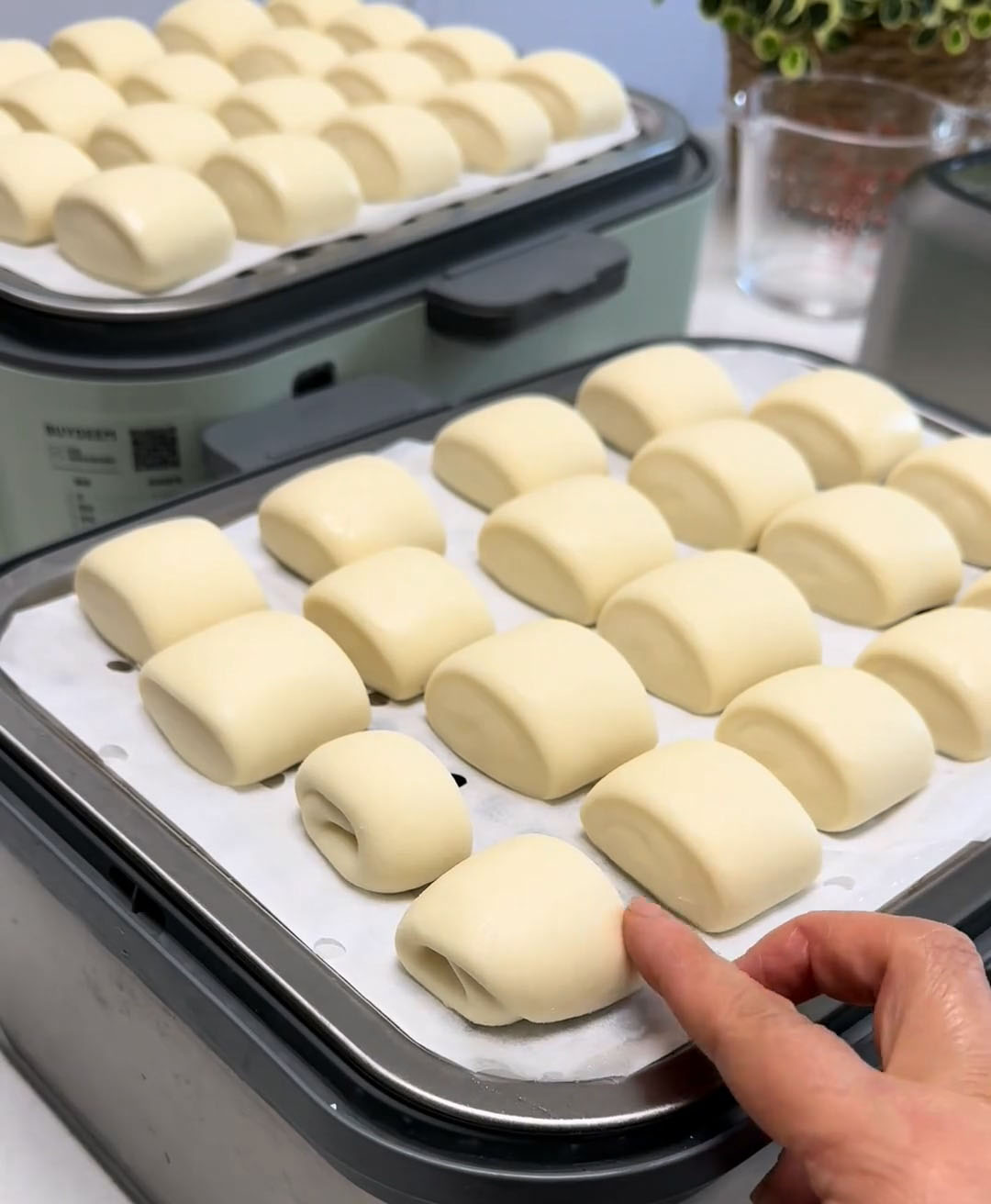
5. Steam the Mantou
Bring plenty of water to a boil in the steamer. Once the water is actively steaming, place the trays inside, cover, and steam over medium heat for 12 minutes.
When finished, do not open the lid immediately. Let the mantou rest in the steamer for 3 minutes before uncovering to prevent shrinking or collapse.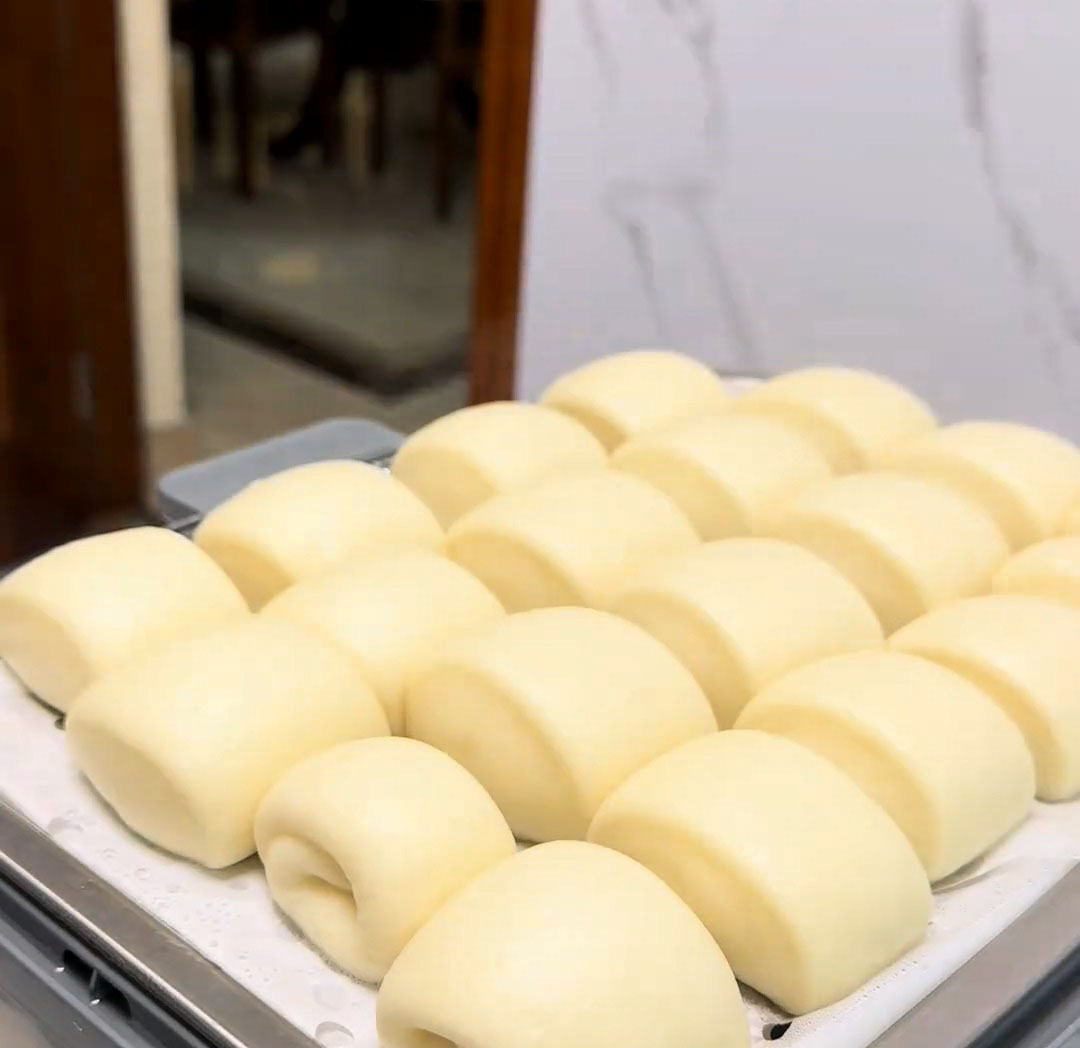
Tips & Tricks
- Always wear gloves when peeling Chinese yam to avoid skin irritation. If itching occurs, rubbing the skin with a little white vinegar can help.
- Yam moisture varies, so adjust the water slightly if needed. The dough should be smooth and pliable, not dry or sticky.
- Repeating the roll-and-fold step helps create a smoother surface and finer crumb in the finished mantou.
- Proofing temperature matters. Under-proofed mantou will be dense, while over-proofed ones may collapse or taste sour.
- Always steam after the water has fully come to a boil, and never skip the 3-minute resting step after steaming.
Frequently Asked Questions
Why are my mantou dense?
This usually happens if the dough was under-proofed or not kneaded enough. Proper proofing and thorough kneading are key to a fluffy texture.
Can I make these in advance?
Yes. Once steamed and cooled, mantou can be stored in the fridge for a few days or frozen for longer storage. Reheat by steaming until hot.
Is Chinese yam the same as taro or purple sweet potato?
No. Chinese yam is completely different from taro and purple sweet potato in both flavour and texture. It has a lighter, creamier consistency that’s especially suitable for soft steamed buns.
Healthy Chinese Yam Steamed Buns (Better Than Plain Mantou)
Ingredients
- 300 g Chinese yam steamed, yields 220 g yam purée
- 180 g water
- 500 g all-purpose flour medium-gluten
- 30 g granulated sugar
- 5 g instant dry yeast
- 15 g lard
Instructions
Prepare the Yam Purée
- Wash the Chinese yam thoroughly. Wear gloves and peel the skin, then cut the yam into 3–5 cm chunks. Place the yam into a steamer with enough water underneath. Bring to a boil, then steam over medium heat for about 15 minutes, or until a chopstick can easily pass through the yam.
- Remove the yam while hot, weigh out 220 g, and transfer it to a large bowl. Mash until smooth using a spoon or masher. Add 180 g water and mix well to loosen the purée, making it easier to incorporate into the dough.
Mix and Knead the Dough
- Add the sugar and instant yeast to the yam purée. Add the flour and mix with chopsticks until no dry flour remains. Add the lard, then knead by hand until a dough forms.
- Transfer the dough to a work surface and knead repeatedly until smooth and no longer sticky. This extra kneading helps create a fine, delicate crumb. There is no need for bulk fermentation at this stage.
- Roll the dough into a large thin sheet, fold both ends toward the centre, then roll it out again. Repeat this rolling and folding process twice to smooth the dough and improve the final texture.
Shape the Mantou
- Roll the dough into a wide, thin sheet once more.
- Lightly spray the surface with water to increase stickiness, then roll it tightly from one end into a log.
- Cut the log in half.
- Roll each half into a thinner, even rope, then cut into pieces about two fingers wide. Cut them slightly wider than the final size, as the dough will expand during proofing.
Proof the Dough
- Place the shaped mantou onto steamer trays lined with steaming cloth, leaving space between each piece. Cover with plastic wrap or a damp cloth and proof in a warm environment (28–30°C) until doubled in size.
- The dough is ready when gently pressed and it springs back quickly.
Steam the Mantou
- Bring plenty of water to a boil in the steamer. Once the water is actively steaming, place the trays inside, cover, and steam over medium heat for 12 minutes.
- When finished, do not open the lid immediately. Let the mantou rest in the steamer for 3 minutes before uncovering to prevent shrinking or collapse.

Leave a Reply